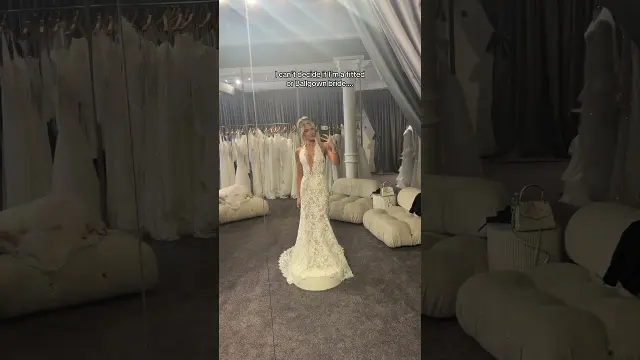
 Fitted or Ballgown: Choosing a Wedding Dress Silhouette
#Ballgown Wedding Dress
1 ideas
Fitted or Ballgown: Choosing a Wedding Dress Silhouette
Get new #Ballgown Wedding Dress ideas by email
Every Thursday: the week's best ideas, with the newest from #Ballgown Wedding Dress.
Related tags
Ballgown Wedding Dresses: A Complete Guide
A ballgown wedding dress is the silhouette most people picture when they imagine a bride. It pairs a fitted bodice with a full, voluminous skirt, a combination that has symbolised celebration and formality for centuries. Understanding how the shape is built, where it comes from and what suits it will help you decide whether it belongs in your own wedding plans.
Where the shape comes from
The ballgown owes its name to the grand dresses worn at formal dances and court events in Europe. Over time, the style moved from aristocratic gatherings into bridal fashion, where it settled as a classic choice. Its enduring appeal lies in its proportions: the narrow upper body draws attention to the face and shoulders, while the wide skirt creates a dramatic, almost theatrical line.
How the silhouette is constructed
Read more
What separates a true ballgown from other full-skirted dresses is the volume and structure of the skirt. Many use layers of tulle, organza, taffeta or crinoline to build shape, sometimes supported by hoops or petticoats beneath. The bodice is usually close-fitting, often with boning or a corset-style construction, and the waist seam sits at the natural waist or slightly above it. This combination is what gives the dress its distinctive silhouette rather than simply a wide hem.
Variations worth knowing
Ballgowns are not all alike. You will find versions with smooth, unembellished skirts for a clean, modern look, and others with layered ruffles, pleats or lace for a romantic feel. Necklines and sleeves vary widely, from strapless and sweetheart to high necks with long sleeves. Skirt length matters too: a full floor-length skirt reads as formal, while a shorter or tea-length version can suit a smaller celebration. Fabric choice changes the whole character, since crisp taffeta holds dramatic volume while softer tulle feels lighter and more ethereal.
Practical points for beginners
If you are starting to look, keep a few things in mind. A ballgown requires space, both in the fitting room and on the day, so consider the venue: wide aisles, generous dance floors and room to move all help. Weight is worth noticing, because heavy beading on a large skirt adds up quickly, and you should be able to walk, sit and climb a few steps comfortably. Have a friend help you practise moving in it before the wedding so nothing feels unfamiliar. Alterations matter more than usual here, since the waist must sit precisely for the bodice to fit well.
Choosing with confidence
The ballgown flatters many body types because the skirt balances the shoulders and hips while defining the waist. It suits anyone drawn to a traditional, formal or fairytale mood. Try one alongside a slimmer silhouette if you are unsure, and pay attention to how you feel when you move rather than only how you look standing still. The right dress is the one you can forget about once you are wearing it.
#Ballgown Wedding Dress: frequently asked questions
How do I know whether a ballgown wedding dress suits me?
A ballgown balances the shoulders and hips while defining the waist, so it flatters a wide range of figures. It tends to suit anyone drawn to a formal, traditional or fairytale feeling rather than a pared-back modern one. If you are unsure, try one on beside a slimmer silhouette and notice how each feels when you walk and turn, not just when you stand still.
What actually makes a dress a ballgown instead of just a full-skirted dress?
The difference lies in the structure of the skirt and the fit of the bodice above it. A true ballgown builds volume with layers of tulle, organza, taffeta or crinoline, sometimes over hoops or petticoats, and pairs that with a close-fitting bodice and a waist seam at or just above the natural waist. A wide hem on its own will not create the same line.
What should I think about when trying a ballgown on for the first time?
Give yourself room to move, since these dresses need space in the fitting room and on the day, and check that you can walk, sit and manage stairs comfortably. Pay attention to weight as well, because heavy beading on a large skirt adds up quickly and can tire you over a long celebration. Ask a friend to come along so you can practise moving in it together before the wedding.
Which fabrics and skirt details should I choose?
Crisp fabrics such as taffeta hold dramatic volume and give a sculpted, formal look, while softer tulle and organza feel lighter and more romantic. Smooth, unembellished skirts read as clean and modern, whereas ruffles, pleats and lace create a softer, more decorative effect. Necklines and sleeves can range from strapless and sweetheart to high necks with long sleeves, so the fabric and detailing should match the mood you want.
How should I look after a ballgown wedding dress?
Because the skirt is layered and often supported by petticoats or hoops, store it with the structure respected rather than crushed, and hang or box it as your dressmaker advises. Have it cleaned soon after the wedding, since dust and marks settle into folds and are harder to remove later. Check the bodice and skirt separately, as beading and delicate fabrics may need different handling.
What are the most common mistakes people make with a ballgown?
The usual slip is forgetting the venue: narrow aisles, tight dance floors and small rooms work against a wide skirt, so think about the space before you commit. Another is choosing on how the dress photographs while standing still, rather than on how it feels to move and sit in. Finally, many people underestimate alterations, which matter more here because the waist must sit precisely for the bodice to fit properly.
Videos come from YouTube and posts from Instagram; titles and summaries are our own. All rights belong to their creators.