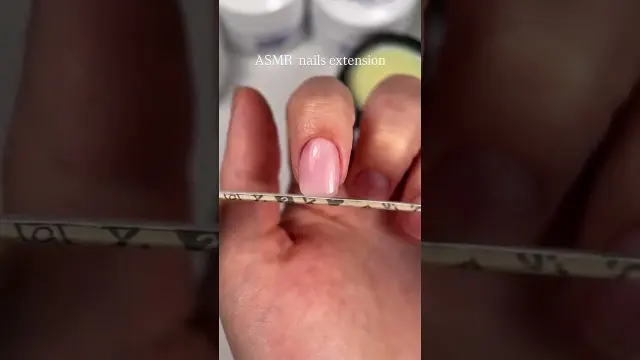
 ASMR Natural Nail Extension Transformation with Base Gel
#Base Gel
1 ideas
ASMR Natural Nail Extension Transformation with Base Gel
Get new #Base Gel ideas by email
Every Thursday: the week's best ideas, with the newest from #Base Gel.
Related tags
Base Gel for Nails: What It Is and How to Use It
What base gel is
Base gel is the first gel layer used in many nail systems. It acts as a foundation between the natural nail and the layers that follow, helping the manicure sit more evenly and last longer. You may also hear it called a base coat in gel nail care, though the exact formula can vary from one product to another.
Its main job is to prepare the nail surface for colour, builder gel, or other overlay products. It can help create a smoother surface, improve adhesion, and reduce the chance of lifting when it is applied correctly.
How it is used
Read more
Base gel is usually applied after the natural nail has been cleaned, shaped, and lightly prepared. The nail surface should be free from dust, oil, and leftover polish. In many routines, a very thin layer is enough. Some base gels are brushed on almost like polish, while others are a little thicker and slightly more self-levelling.
After application, the gel is cured under a lamp if the system requires it. The exact curing time depends on the product, so it is important to follow the instructions for the specific gel you are using.
Types and styles
There are several kinds of base gel, and each one serves a slightly different purpose:
- Standard base gel: a simple foundation layer for gel polish systems
- Rubber or flexible base gel: designed to bend with the nail a little more easily
- Strengthening base gel: a denser formula that can help support weak or soft nails
- Builder-style base gel: a thicker base used to add more structure
Some formulas are more fluid, while others are thicker and better for creating a slight apex or evening out ridges. If your nails are naturally flexible or easily chipped, a more flexible base may feel more comfortable. If your nails have uneven surfaces, a thicker formula may help create a smoother finish.
Practical tips for better results
A good base gel application is usually thin, neat, and even. Too much product can pool near the cuticle or sidewalls and may lift sooner. A few simple habits can help:
- Prep the nail gently but thoroughly
- Avoid touching the nail plate with your fingers after prep
- Seal the free edge if the product instructions suggest it
- Keep layers thin unless the product is meant to be built up
- Cure each layer fully
- Remove any product from the skin before curing
If you are new to gel nails, it helps to practise control with the brush. Work slowly and keep the layer smooth rather than trying to create thickness in one step.
What to remember
Base gel is the foundation of many gel manicures, and good prep matters just as much as the product itself. Used well, it can support a cleaner finish and a more durable result. If your nails are sensitive, thin, or damaged, it is wise to keep your routine gentle and give your nails breaks when needed.
#Base Gel: frequently asked questions
What exactly does base gel do in a gel manicure?
Base gel is the first layer applied over the natural nail, working as a foundation between your nail and everything that goes on top of it. It helps the surface sit smoother, encourages the later layers to hold on, and reduces the chance of lifting when it is applied neatly and cured properly. Think of it as the grip layer rather than the colour itself.
How do I start using base gel if I've never done gel nails before?
Begin with a simple standard base gel and a basic lamp, and get comfortable with the brush before adding other products. Clean, shape, and gently prep the nail, then brush on a very thin, even layer and cure it fully following the product's own directions. Practising a smooth thin coat is more useful at first than trying to build thickness right away.
Which type of base gel should I choose for my nails?
The choice comes down to how your nails behave: a flexible or rubber base suits nails that bend easily and chip, a strengthening one is denser and supports soft nails, and a builder-style base adds structure or evens out ridges. A standard base gel is the straightforward option for a regular gel polish routine. If you are unsure, start simple and adjust once you see how your nails respond.
What are the most common mistakes people make with base gel?
Overloading the brush is the big one, because excess product pools around the cuticle and sidewalls and tends to lift sooner than a thin layer. Touching the prepped nail with your fingers, leaving dust or oil behind, and under-curing each layer also cause problems. Wipe any gel off the surrounding skin before curing, and seal the free edge if the product instructions mention it.
How should I look after a base gel manicure so it lasts?
Keep the routine gentle: avoid using your nails as tools, and give the layers support rather than picking or peeling at any edge that starts to loosen. When it is time to remove the set, do it carefully instead of forcing it off, and let your nails rest between applications. If your nails feel sensitive, thin, or damaged, a lighter routine and regular breaks make a real difference.
Can base gel be used for nail extensions and special occasion looks?
Yes. A thicker builder-style base can be used to add a little structure and length as part of an extension set, which is why it often appears in natural-looking extension transformations. For a special occasion you can keep the base thin and let colour and decoration carry the look, or build slightly more shape for a stronger result. Either way, the same rules apply: thin, even layers, full curing, and good prep.
Videos come from YouTube and posts from Instagram; titles and summaries are our own. All rights belong to their creators.