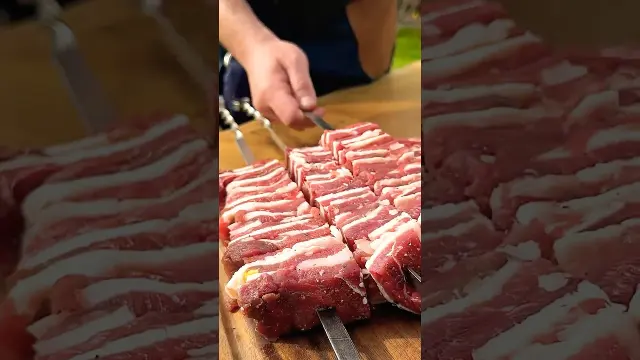
 Insane Napoleon Skewers Grilled Over Charcoal
#BBQ
1 ideas
Insane Napoleon Skewers Grilled Over Charcoal
Get new #BBQ ideas by email
Every Thursday: the week's best ideas, with the newest from #BBQ.
Related tags
The Ultimate Guide to Outdoor BBQ
Barbecue is much more than simply cooking food over an open fire; it is a culinary tradition deeply rooted in patience, technique, and a love for gathering outdoors. Originating from ancient methods of slow-roasting meats over wood smoke, barbecue has evolved into a global phenomenon with distinct regional variations, from American southern smoking styles to Latin American grilling traditions.
At its core, barbecue relies on two primary methods: direct grilling and indirect smoking. Direct grilling uses high heat close to the heat source for quick-cooking items like skewers, burgers, and vegetables. Indirect cooking, often referred to as true barbecue, uses low temperatures and slow smoke circulation over several hours to tenderize tougher cuts of meat, such as briskets and ribs.
Wood choice plays a vital role in developing flavor. Hardwoods like hickory, oak, mesquite, and fruitwoods such as apple or cherry each impart distinct aromatic qualities to the food. Beginners should start with milder fruitwoods, which provide a gentle smoke flavor that is less likely to overpower delicate ingredients.
Essential Tips for Beginners
Read more
- Manage your temperature carefully by learning how to control airflow through your grill vents rather than constantly moving the fuel.
- Invest in a reliable digital meat thermometer to ensure your food is cooked safely and to your preferred level of doneness without having to cut into it.
- Allow larger cuts of meat to rest for a period after cooking, which lets the flavorful juices redistribute evenly throughout the fibers.
- Keep your cooking grates clean and lightly oiled before adding food to prevent sticking and ensure beautiful sear marks.
Beyond meat, the world of barbecue embraces vegetables, fruits, and even desserts, all benefiting from the unique touch of smoke and caramelization. Creating great barbecue is a journey of practice and observation, where learning how your specific grill behaves in different weather conditions is just as important as the recipe itself. Take your time, enjoy the process, and embrace the vibrant community and shared meals that make outdoor cooking so rewarding.
#BBQ: frequently asked questions
How do I get started with barbecue if I have never cooked over fire before?
Start with the simplest setup you can find and keep your first cooks short, focusing on foods that forgive mistakes, such as skewers, burgers and vegetables over direct heat. Learn how your grill responds to vent adjustments and weather before attempting anything long and slow. Patience and observation matter more at this stage than fancy equipment or complicated recipes.
What basic equipment do I actually need for outdoor cooking?
A grill with adjustable vents, long-handled tongs, a sturdy spatula, a digital meat thermometer and a clean, lightly oiled grate will carry you through most recipes. Add a chimney starter and a supply of hardwood or charcoal, plus a mild fruitwood if you plan to smoke. Everything else can be collected gradually as you discover which styles of cooking you enjoy.
Should I choose direct grilling or indirect smoking?
Direct grilling places food close to a strong heat source and suits quick items that you want seared and caramelized. Indirect smoking surrounds food with gentle, circulating smoke over a long stretch of time, which tenderizes tougher cuts and builds deep flavor. Many cooks use both, grilling first and then moving food to the cooler side to finish.
Which wood should I use to flavor my barbecue?
Hardwoods such as hickory, oak and mesquite give bold, assertive smoke, while fruitwoods like apple and cherry are softer and sweeter. If you are new to smoking, begin with a mild fruitwood so the smoke complements rather than overwhelms the food. Pairing wood with what you are cooking matters as much as the cut itself.
How do I take care of my grill so it lasts?
Clean the grates after each cook, oil them lightly before adding food, and empty ash or grease once everything has cooled. Cover the grill when it is not in use and check vents and moving parts from time to time so airflow stays easy to control. A well-kept grill heats more evenly and makes your temperature management far less frustrating.
What mistakes do beginners make most often?
The usual culprits are fiddling with the fuel instead of the vents, cutting into meat to check doneness, and skipping the rest after cooking. Another common slip is using too much smoke, which can leave food bitter rather than rich. Slowing down and letting the fire do its work fixes most of these problems.
Videos come from YouTube and posts from Instagram; titles and summaries are our own. All rights belong to their creators.