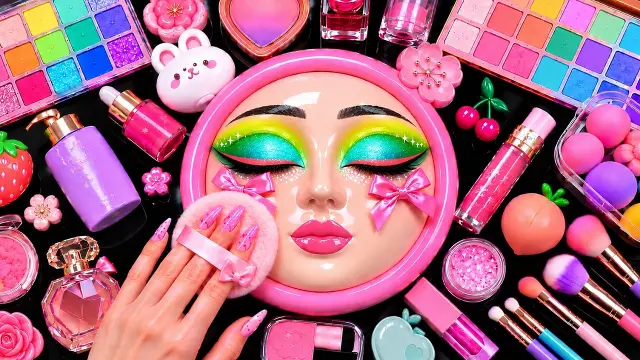
 ASMR Makeup Session on a Watermelon With Brushes and Glitter
#Beauty ASMR
2 ideas
ASMR Makeup Session on a Watermelon With Brushes and Glitter
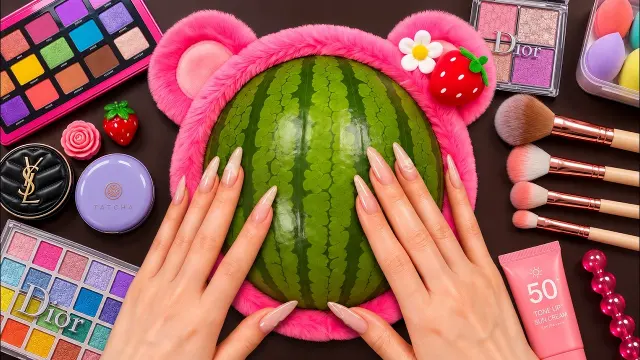 Silent ASMR Makeup Session on a Watermelon
Get new #Beauty ASMR ideas by email
Every Thursday: the week's best ideas, with the newest from #Beauty ASMR.
Related tags
Beauty ASMR: The Quiet Side of Getting Ready
Beauty ASMR is the corner of the ASMR world where getting ready becomes the performance. Instead of a voice whispering into a microphone, the triggers are the small sounds of a routine: the click of a compact, the tap of a fingertip against a glass bottle, the soft rasp of a brush across the skin, the rustle of a cotton pad. It sits at the meeting point of two habits that already belong together — self-care and relaxation — and it asks you to slow both of them down.
ASMR itself stands for "autonomous sensory meridian response", a term coined in the early 2010s to describe the pleasant, tingling sensation some people feel in the scalp and neck in response to soft sounds and gentle attention. Not everyone experiences the tingle, and that is completely normal; plenty of people simply enjoy the calm, the company, or the satisfying texture of the thing being done.
What beauty ASMR looks and sounds like
The subject matter is ordinary by design. A creator might apply skincare in silence, brush through long hair, sort makeup into a case, or run a lipstick across a sheet of paper to show its texture. What makes it ASMR rather than a tutorial is the pacing and the microphone: everything is done slowly, close up, and with the sound of the action left in.
Read more
A few common kinds:
- Silent routines, where the only sound is the objects themselves
- Whispered or softly spoken walkthroughs of a skincare or makeup routine
- Tap and scratch videos built around packaging — compacts, tubes, jars, mirrored lids
- Hair and scalp sessions, often imitating the feeling of being styled or brushed
- Texture-focused clips, working with powders, creams, glosses and fabrics
- Role-play formats, such as a quiet appointment at a makeup counter or a spa
Where it comes from
Beauty ASMR grew out of the wider ASMR community that formed on video platforms, where people discovered that mundane sounds — page turning, whispering, crinkling — could be deeply restful. Beauty routines were a natural fit: they are already tactile, already repetitive, already associated with taking care of yourself. The watermelon makeup video is a good illustration of how playful the genre can get — a real routine performed on an unusual surface, existing purely for the sounds and the visual satisfaction.
If you want to try it
As a viewer, start with headphones and low volume, and give yourself permission to stop paying attention. Much of the appeal is in drifting. If a particular trigger sets your teeth on edge — tapping and scratching divide people sharply — simply move on; there is no correct taste here.
As a creator, the practical basics matter more than the props. A quiet room, a soft surface to absorb echo, a microphone close to the hands rather than the mouth, and lighting that shows texture without glare will carry you a long way. Slow down more than feels natural, and let a single action finish before you begin the next one.
And keep the beauty side honest. Use the products you actually use, keep skin clean, and treat the routine as a ritual of care rather than a performance of perfection. The point was never the finished face — it is the quiet minutes spent getting there.
#Beauty ASMR: frequently asked questions
What exactly is beauty ASMR, and how does it differ from a normal makeup video?
Beauty ASMR is a getting-ready routine performed for its sounds and its slowness rather than for the finished look. The trigger is the clicking compact, the fingertip on a glass bottle, the brush across skin — small sounds left in rather than covered by talking or music. Where a tutorial teaches technique, this format asks you to slow the whole thing down and simply enjoy the process.
What do I actually need to start making beauty ASMR videos?
The practical basics carry more weight than fancy props: a quiet room, a soft surface to soak up echo, and a microphone placed near your hands instead of your mouth. Lighting that reveals texture without glare does the rest of the work. Move more slowly than feels natural and let each action finish before you begin the next.
Which kind of beauty ASMR should I choose?
The main options are silent routines, whispered walkthroughs, tapping and scratching on packaging, hair and scalp sessions, texture-focused clips, and role-plays like a quiet makeup counter appointment. Pick the one whose sounds you would enjoy hearing yourself, since enthusiasm carries into the recording. Keep in mind that tapping and scratching split people sharply, so there is no universally right answer.
How should I start watching beauty ASMR?
Put on headphones, keep the volume low, and give yourself permission to stop paying attention — drifting is much of the appeal. If a particular trigger grates on you, skip it and move on rather than forcing yourself to like it. Also worth knowing: not everyone feels the tingling sensation, and simply enjoying the calm or the company is a perfectly good outcome.
What common mistakes should I avoid?
Rushing is the most frequent one — faster pacing turns the format back into an ordinary tutorial and loses the point. Chasing unusual props or surfaces before you have the basics of a quiet room and a close microphone rarely pays off. It also helps to use products you genuinely use, so the beauty side stays honest rather than staged.
How do I keep the beauty side of a routine honest?
Treat it as a ritual of care rather than a performance of perfection, using the products that actually belong in your routine and keeping skin clean. The appeal comes from the quiet minutes spent getting ready, not from a flawless result. Playful variations on the theme are fine, but the routine underneath should still be something you would really do.
Videos come from YouTube and posts from Instagram; titles and summaries are our own. All rights belong to their creators.