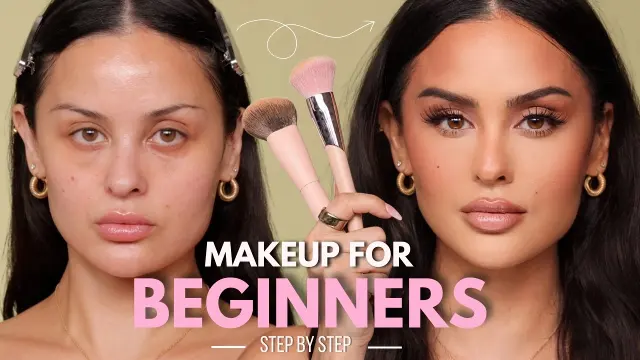
 Beginner Makeup Step By Step Basics
#Beauty Basics
1 ideas
Beginner Makeup Step By Step Basics
Get new #Beauty Basics ideas by email
Every Thursday: the week's best ideas, with the newest from #Beauty Basics.
Related tags
Beauty Basics: A Beginner's Guide to Everyday Makeup
Beauty basics are the small set of habits and skills that make everything else easier: clean skin, a few well-chosen tools, and a handful of techniques you can repeat without thinking. Whatever look you eventually settle into, it rests on this groundwork. Learning it first saves you time, money and a good deal of frustration.
Skincare comes first
Makeup sits on skin, so skin comes before anything else. A simple routine — cleanse gently, moisturise, and wear sun protection during the day — gives you a smoother surface and helps makeup sit better and last longer. You do not need a long shelf of products. Adjust textures to what your skin feels like rather than adding steps: lighter lotions if you tend towards oiliness, richer creams if it feels tight and dry. Give any new product a few days before judging it, and if your skin is sensitive, try it on a small patch first.
Get to know your tools
Read more
Fingers, a makeup sponge and two or three brushes will carry you a long way. A damp sponge softens foundation and presses it into the skin; a fluffy brush sweeps colour across the cheeks; a small angled brush shapes brows. Wash brushes regularly with mild soap, rinse well and let them dry flat so water does not run into the handle. Clean tools apply product more evenly and are kinder to your skin. Follow the packaging guidance on when to replace products, and never share anything that goes near your eyes.
A simple everyday sequence
There is no single correct order, but most people work from the face outwards: a light base, concealer only where you want it, a little powder where shine bothers you, then brows, eyes, blush and lips. Everything here is optional. A tinted moisturiser, a brushed-up brow and a touch of lip colour is a complete look, and many people stop there on ordinary days.
Techniques worth practising
- Build in thin layers. It is far easier to add a second layer than to remove a heavy first one.
- Blend the edges. The difference between polished and patchy is usually a softly diffused edge.
- Match base to your jawline in daylight, not to your hand under shop lighting.
- Work with your features rather than against them — a look that follows your own face shape will always seem more natural than one copied from someone else.
- Check your work in daylight near a window. Indoor bulbs flatter almost anything.
Brows, eyes and lips
Brows frame the whole face: brush them upwards, then fill only the sparse areas with short, light strokes. For eyes, curling lashes and one coat of mascara does more than elaborate shading. Keep lips comfortable with balm, then add colour if you want it.
Mistakes that are easy to skip
Testing base on the back of your hand, skipping moisturiser, powdering everything, and chasing a look that does not suit your colouring or your daily life. Start with one new technique at a time, practise it for a week, and keep whatever makes you feel most like yourself.
#Beauty Basics: frequently asked questions
How do I start with beauty basics if I have never really worn makeup?
Start with skin rather than with colour: a gentle cleanse, a moisturiser suited to how your skin feels, and daytime sun protection give you a smoother surface for anything you put on top. From there, add a single product at a time — a light base or a tinted moisturiser, a brushed-up brow, a touch of lip colour — and live with it for a while before adding more. Practising one new technique until it feels automatic teaches you far more than copying a full routine in an afternoon.
What do I actually need to buy to begin?
Less than most people expect: fingers, a damp makeup sponge and a small handful of brushes — something fluffy for cheeks and something small and angled for brows — will carry you through most everyday looks. Add a light base, a concealer for the spots you want to even out, and a lip colour you like, and you have a complete kit. Anything beyond that is a preference rather than a requirement.
How do I choose a base that matches my skin?
Test it along your jawline in daylight rather than on the back of your hand under shop lighting, since hands and indoor bulbs both distort colour. Think about texture as well as shade — lighter lotions if your skin tends towards oiliness, richer creams if it feels tight — and let a new product settle for a few days before deciding. If your skin is sensitive, try a small patch first.
How should I look after my brushes and tools?
Wash them regularly with mild soap, rinse thoroughly, and dry them lying flat so water cannot run down into the handle and loosen it. Clean tools pick up and place product more evenly, and they are gentler on your skin than ones clogged with old residue. Follow the packaging guidance for replacing products, and keep anything that goes near your eyes to yourself.
What are the common beginner mistakes worth avoiding?
Testing base on the back of your hand, skipping moisturiser, and powdering everything until the face looks flat are the usual ones. The bigger trap is chasing a look that does not suit your colouring or your actual daily life. Build in thin layers rather than one heavy pass, blend your edges, and check the result in daylight near a window before you leave the house.
How do I put together a look for a special occasion?
Begin from the same everyday sequence you already know — light base, concealer where you want it, brows, eyes, blush, lips — and simply deepen what you already do rather than adding unfamiliar steps on the day. Curled lashes and a coat of mascara usually do more than elaborate shading. Work outwards from the face, keep the edges soft, and finish with something that still feels like you.
Videos come from YouTube and posts from Instagram; titles and summaries are our own. All rights belong to their creators.