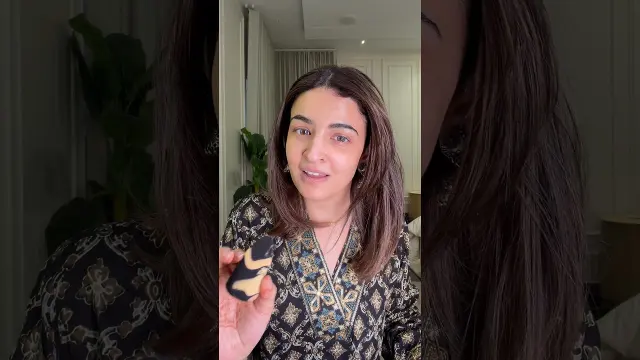
 Soft Glam Makeup Look Built With a Beauty Blender
#Beauty Blender
1 ideas
Soft Glam Makeup Look Built With a Beauty Blender
Get new #Beauty Blender ideas by email
Every Thursday: the week's best ideas, with the newest from #Beauty Blender.
Related tags
Makeup Sponge: A Guide to Beauty Blenders
A beauty blender is a soft, egg-shaped makeup sponge used to apply and blend liquid and cream products on the face. Its rounded silhouette, pointed tip and flat base each do a different job, which is why a single sponge can handle foundation, concealer, cream blush and even setting powder. The tool became a staple of everyday makeup routines because it softens edges in a way that fingers and brushes often cannot.
Where it comes from
Sponges have been used in theatrical and film makeup for a long time, where a stippled, skin-like finish matters more than speed. The teardrop shape that most people recognise today grew out of that tradition: a handle-free sponge that could be squeezed, bounced and turned to reach awkward angles. What was once a professional backstage tool is now a common item on dressing tables.
How it works
Read more
The material is an open-cell foam, so it absorbs water and product rather than pushing them around. That absorbency is the point. When the sponge is damp, it takes in less foundation and presses what remains into the skin in thin, even layers, which is what gives the soft, diffused look people associate with it.
The main shapes and their uses
- Rounded side: the workhorse. Bounce foundation and cream blush across the cheeks and forehead.
- Pointed tip: tight areas around the nose, under the eyes, the inner corners, and for concealer.
- Flat base: press powder into the skin, or stamp cream products for a slightly fuller finish.
- Smaller sponges: better for detail work and for travel.
What beginners should know
Always use the sponge damp, not soaking wet. Run it under water, then squeeze it firmly in a clean towel until no more water comes out; a dripping sponge dilutes product and leaves streaks. Work in bouncing, pressing motions rather than dragging, because dragging lifts the product you just laid down. Start with less foundation than you think you need and build up in thin layers.
Care and cleaning
A sponge that is used damp and left dirty becomes a place where residue and bacteria collect, so wash it after every few uses with a mild soap or a dedicated sponge cleanser. Massage it under warm water until the water runs clear, squeeze it out, and let it air-dry fully in an open, ventilated spot rather than sealed in a bag or a closed drawer. Replace it once it tears, crumbles, or stops springing back into shape; a damaged sponge applies unevenly and is harder to keep clean.
Used well, the sponge is one of the simplest tools in a makeup bag, and one of the most forgiving.
#Beauty Blender: frequently asked questions
Do I need any special products to start using a beauty blender?
No special products are required beyond the liquid or cream makeup you already own, plus a mild soap for cleaning. The sponge works with foundation, concealer, cream blush and even powder, so it adapts to what is already in your bag. What matters most is using it damp and pressing rather than dragging.
Should the sponge be used wet or dry?
Damp is the sweet spot: run it under water and squeeze it firmly in a clean towel until it stops dripping. A soaked sponge thins out your product and leaves streaks, while a bone-dry one grabs too much and skips across the skin. The slight moisture is what helps foundation melt in rather than sit on top.
Which shape should I choose if I can only get one?
A classic teardrop with a rounded side, a pointed tip and a flat base covers the most ground, since each part of the silhouette does a different job. The rounded belly is best for cheeks and forehead, the tip reaches around the nose and under the eyes, and the flat bottom presses in powder. Smaller sizes are handy for detail work or for keeping in a travel bag.
How do I keep the sponge clean and how long should it last?
Wash it every few uses by massaging it under warm water with a mild soap or a dedicated sponge cleanser until the water runs clear, then squeeze and let it air-dry fully in an open, ventilated spot. Sealing a damp sponge in a bag or drawer is what lets residue and bacteria build up. Retire it once it tears, crumbles, or no longer springs back into shape, because a worn sponge applies unevenly and is harder to keep clean.
What are the most common beginner mistakes with a beauty blender?
The usual culprits are using it dripping wet, dragging it across the face instead of bouncing, and starting with a full pump of foundation rather than building thin layers. Dragging is especially counterproductive because it lifts the product you just applied. Begin with less than you think you need and add more only where it is actually missing.
Can I build a soft glam makeup look with one of these?
Yes, and that is exactly the kind of look the tool is known for, since bouncing and pressing diffuses edges that brushes tend to leave sharp. Layer foundation and cream blush with the rounded side, use the tip for concealer and detail around the eyes, then press powder with the flat base to set everything softly. The result reads as blended skin rather than visible product.
Videos come from YouTube and posts from Instagram; titles and summaries are our own. All rights belong to their creators.