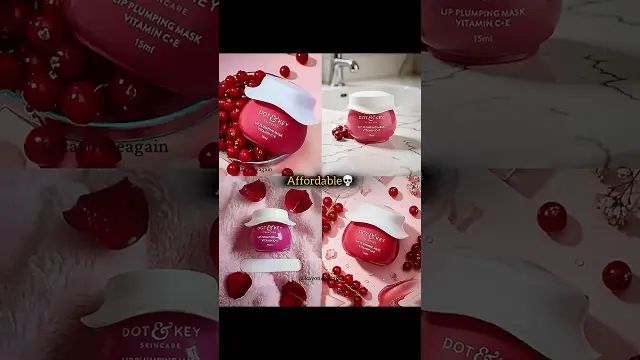
 Comparing Expensive and Affordable Skincare Products Side by Side
#Beauty Comparison
1 ideas
Comparing Expensive and Affordable Skincare Products Side by Side
Get new #Beauty Comparison ideas by email
Every Thursday: the week's best ideas, with the newest from #Beauty Comparison.
Related tags
Beauty Comparison: How to Judge Products Side by Side
Beauty comparison is the habit of putting two or more products, routines or techniques next to each other and asking a simple question: which one actually does more for me? It sounds obvious, but most of us compare badly. We switch three things at once, judge a cream on its first morning, or let a pretty bottle do the thinking. Done well, comparison is the most useful skill in a beauty routine, because it turns vague impressions into something you can trust.
What comparison is for
Comparing is not about finding the "best" product in the world. It is about finding the best fit for your skin, hair, budget and patience. A richer moisturiser may suit a dry winter and feel suffocating in summer; a simpler cleanser may outperform a complicated one because you actually use it every night. Comparison helps you spend less, waste less, and stop replacing things that were never the problem.
Comparing products
Read more
Start with the label. Look at where the key ingredients sit in the list, since ingredients are usually ordered by amount. Two products may both claim the same hero ingredient while one contains a token sprinkle and the other a real dose. Check the format too: a serum, a cream and an oil deliver the same ingredient very differently.
Then compare like with like. Testing a lightweight gel against a heavy balm tells you about texture, not quality. Keep the category constant so the difference you notice means something.
Be sceptical of price as a shortcut in either direction. Expensive does not guarantee effective, and affordable does not mean inferior. Packaging, fragrance and marketing all cost money that never touches your skin.
Comparing on yourself
The only reliable test is your own face, and it needs patience. Change one thing at a time and give it a few weeks before you judge. Skin and hair respond slowly, and early reactions are often about adjustment rather than results.
Try a simple side-by-side: use one product on one half of your face or one arm, and the alternative on the other, for the same period. Photograph both in similar light at the start and the end. Memory is a poor witness, and a photo settles arguments.
What beginners should know
Patch test anything new, especially acids, retinoids and fragrances, on a small area first. Introduce one product at a time so you can tell what caused a reaction. Keep notes, even a line in your phone, because otherwise the details blur within a fortnight.
Remember that comparison has limits. Skin changes with weather, stress and age, so a verdict is never permanent. What lost last year may win this one.
Above all, compare with curiosity rather than judgement. The point is not to prove a product wrong, but to learn how your own skin, hair and preferences behave, and to build a routine you understand from the inside.
#Beauty Comparison: frequently asked questions
How do I start comparing beauty products without wasting money?
Begin by picking a single category you actually use daily, such as a cleanser or moisturiser, and hold everything else in your routine steady while you try the alternative. Read the ingredient list to see how much of the hero ingredient each option really contains, and ignore the packaging promises. That way the difference you notice is about the product, not about everything changing at once.
How long should I test a product before deciding whether it works?
Skin and hair adjust slowly, so give a new product several weeks of consistent use before you form an opinion. Early reactions usually reflect adjustment rather than results, which is why judging something after one morning is misleading. If irritation appears, stop and treat that as your answer instead of waiting it out.
Is a more expensive product always the better one?
No — cost reflects packaging, fragrance and marketing as much as what actually touches your skin. A cheaper formula can outperform a costly one simply because you enjoy using it regularly and it suits your skin on the day. Compare within the same category and let your own experience decide, rather than the price tag.
What is the most reliable way to compare two products on my own face?
Use one product on one side of your face or one arm and the alternative on the other, for the same length of time. Take photos in similar lighting at the start and at the end, because memory tends to flatter whatever you hoped would work. Keeping a short note on your phone alongside the photos stops the details blurring.
What mistakes do beginners make when comparing beauty products?
The commonest is changing several things at once, which leaves you unable to tell what caused the result. Skipping a patch test on a small area is another, especially with exfoliating acids, retinoids and fragrances. It also helps to avoid comparing products from different categories, since a light gel against a rich balm tells you about texture, not quality.
Does a comparison result stay valid forever?
Not really — skin shifts with weather, stress and age, so a verdict from one season may not hold in the next. Treat your conclusions as a working note rather than a permanent rule, and revisit them when your circumstances change. The habit of comparing carefully matters more than any single outcome.
Videos come from YouTube and posts from Instagram; titles and summaries are our own. All rights belong to their creators.