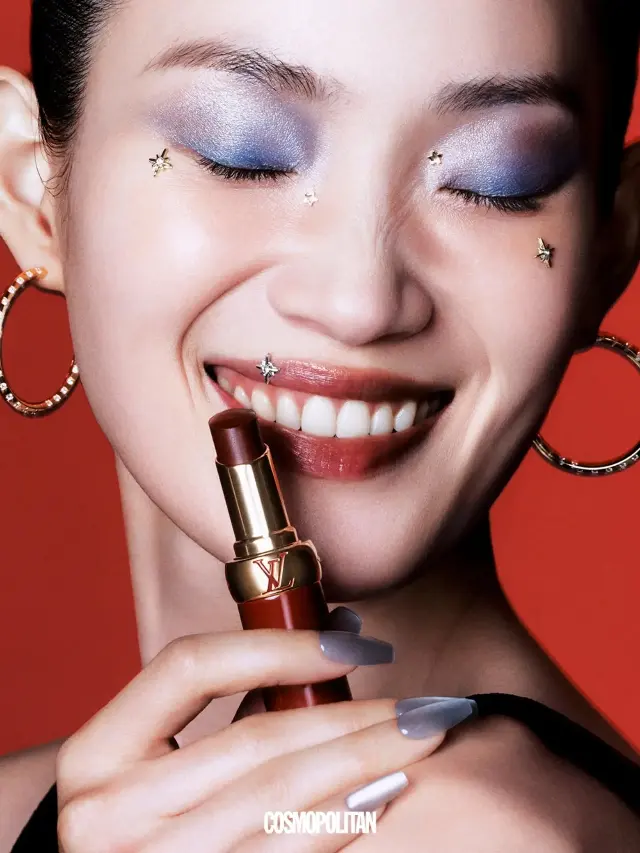
 Holiday red makeup editorial with Louis Vuitton Beauty
#Beauty Editorial
1 ideas
Holiday red makeup editorial with Louis Vuitton Beauty
Get new #Beauty Editorial ideas by email
Every Thursday: the week's best ideas, with the newest from #Beauty Editorial.
Related tags
Beauty Editorial: The Art of Makeup Told in Pictures
A beauty editorial is a story told through a face. It may be a spread in a magazine, a set of images for a brand, or a personal project made with a friend and a borrowed lamp. What makes it editorial rather than a simple portrait is intent: someone has chosen a mood, a colour language, a texture and a light, and the makeup exists to serve that idea. Beauty editorials live at the crossing point of three crafts — photography, makeup artistry and art direction — and the best ones feel as though a single mind imagined them from start to finish.
Where it comes from
Beauty pages have been part of print magazines for most of the last century, and their language was shaped by the studios that produced them: strong key lights, painted backdrops, considered props, a close crop on the face. Over time the form loosened. Editorial beauty borrowed from fashion, from fine art, from theatre and from documentary, and it now appears everywhere from printed pages to social feeds to the portfolio of a makeup artist building a career.
The main directions
Read more
Editorial beauty is not one aesthetic but a family of them. There is the clean, luminous look that concentrates on skin, brows and lip shape with almost no visible trace of product. There is the graphic approach — a bold liner, a drawn shape, a strong colour block treated like a poster. There is texture-led work full of gloss, glitter, powder or cream applied so that the surface itself becomes the subject. And there is the conceptual story, where makeup takes an unexpected form: painted, sculpted, exaggerated, or placed somewhere a face does not usually carry it.
What beginners should know
Start with the idea, not the products. Write down in one sentence what the image is about — "wet skin at dawn", "a red mouth and nothing else" — and let every decision answer to it. Then build your team small: a photographer, a model, and you. Learn to talk about light early, because a beauty image is largely a lighting decision, and a makeup that looks beautiful in daylight can disappear under a hard flash.
Practise on skin you can see up close, and photograph everything, even the tests that fail; the record teaches you more than the memory does. Be realistic about time. Clean skin, a considered base and a single strong focal point will usually read better than six techniques competing with each other.
Practical care
Editorial work involves long days, repeated application, adhesives and removal, so treat the skin gently: patch-test unfamiliar products, keep removal slow and thorough, and let the model's comfort set the pace. Respect comes first — a calm, well-prepared set makes better pictures than a rushed one.
Look at pictures widely and often: painting, cinema, old magazines, faces in the street. The more you notice, the more your own editorial language will sharpen.
Videos come from YouTube and posts from Instagram; titles and summaries are our own. All rights belong to their creators.