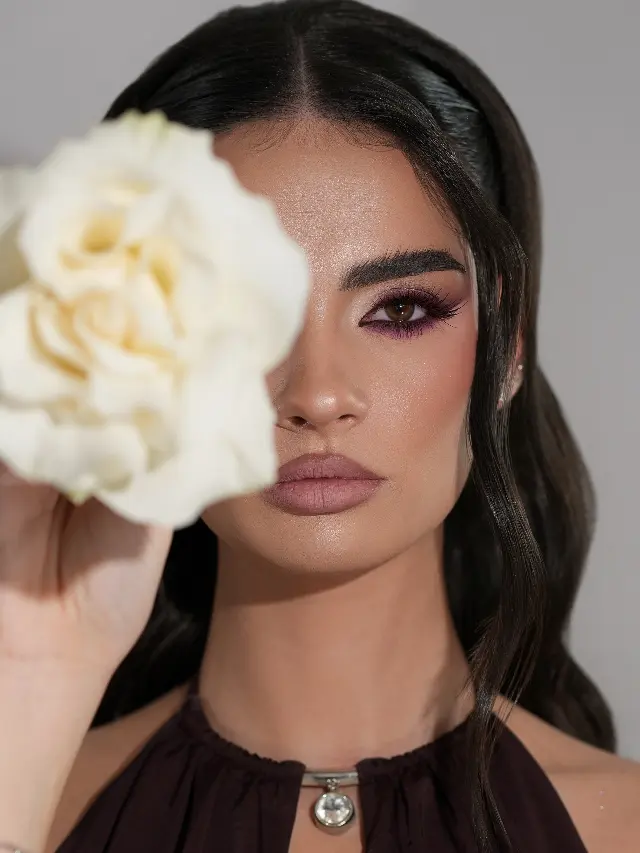
 Burgundy Makeup Look Styled With White and Burgundy Roses
#Beauty Looks
2 ideas
Burgundy Makeup Look Styled With White and Burgundy Roses
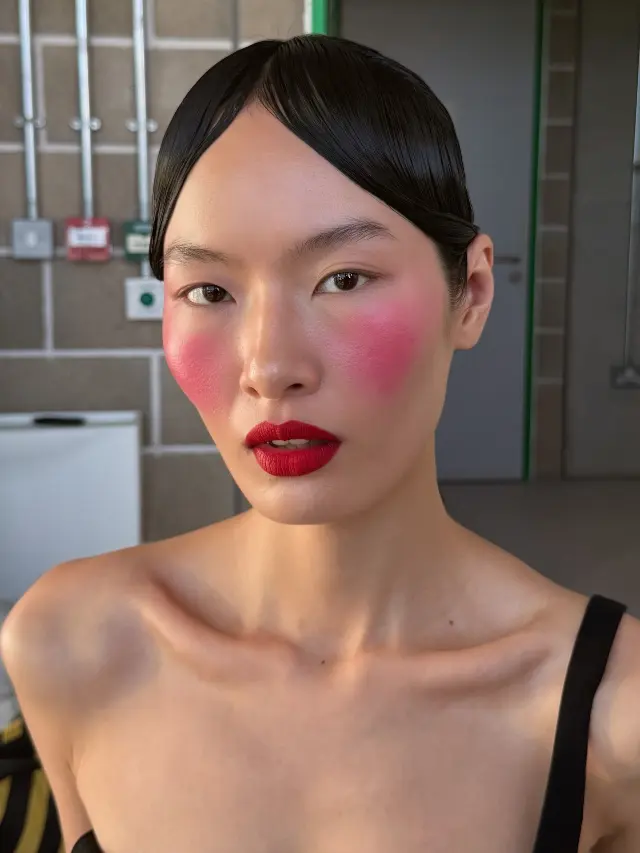 Editorial beauty looks created on model Min Min
Get new #Beauty Looks ideas by email
Every Thursday: the week's best ideas, with the newest from #Beauty Looks.
Related tags
Beauty Looks: A Guide to Makeup Styles and Techniques
A beauty look is the deliberate arrangement of makeup, skin preparation and sometimes hair and nails into a single, readable impression. It can be as quiet as bare skin with a hint of colour on the lips, or as constructed as a graphic eye painted to be photographed under studio lights. What makes it a "look" rather than just makeup is intention: the face is composed around a mood, a reference or a story, and every element is chosen to serve it.
The practice has deep roots. Body and face painting appear in ritual and ceremony across many cultures, and cosmetic preparations were used in ancient Egypt, Greece, Rome and China. The idea of a look that changes with fashion and gets documented, copied and circulated is much more recent, and grew alongside photography, film and magazines; today it also lives in the hands of anyone with a camera and a hashtag.
Beauty looks are usually grouped by emphasis rather than by product. Skin-focused looks build around finish and texture — dewy, matte, satin, a bare-looking base that hides its own work. Eye-focused looks concentrate on the shape and colour of the eye: soft washes, smoky gradients, graphic lines, cut creases or a single flick of liner. Lip-focused looks let one mouth carry the whole face, from a bitten stain to a full, defined shape. Editorial and avant-garde looks sit outside these families and treat the face as a surface for colour, gloss, glitter or sculpted shapes, often built to be seen in a photograph rather than at close range.
Technique matters more than the products used, and most of it is unglamorous. Clean, well-moisturised skin gives everything else something to hold on to. Light layers applied thinly and blended between each step can be built up, while heavy layers applied at once are hard to correct. Order helps: skin first, then colour, then definition, then setting. Good light and a mirror you can get close to will teach you more than any tutorial. Tools do a lot of the work too — clean brushes, a damp sponge for soft edges, a fine brush for precision.
Read more
If you are starting out, pick one feature and let the rest stay quiet. Practise on a day when nothing depends on the result, and photograph it, because a phone camera sees things the mirror does not. Learn how your own face is shaped before you learn to change it; contour and highlight are more convincing when they follow the bone rather than a diagram. Take it off properly at the end of the day, and let your skin rest between heavy looks.
A lasting look is rarely the most extreme one. The faces that stay in the memory tend to be the ones where a single idea is carried all the way through — one colour, one texture, one shape — with everything around it kept deliberately still.
#Beauty Looks: frequently asked questions
How do I start creating a beauty look if I have never really done makeup before?
Begin with skin rather than colour: cleanse, moisturise and give the base a little time to settle, because everything else sits on top of it. Then choose one feature to emphasise and keep the rest quiet, so the face reads as a single idea instead of a collection of products. Practise on a day when nothing depends on the outcome, and photograph the result, since a phone camera catches things the mirror misses.
What do I actually need to put a look together?
Far less than the shelves suggest — a base, something for colour on the feature you are emphasising, and a way to set it. The tools matter more than the number of products: clean brushes, a damp sponge for softening edges and a fine brush for precision will change the finish more than an extra bottle. Good light and a mirror you can lean close to are just as important as anything you buy.
How do I choose which kind of look to go for?
Beauty looks are usually grouped by what carries the face — skin, eyes or lips — so start by deciding which of those you want people to notice first. A skin-focused look leans on texture and finish, an eye-focused one on shape and colour, and a lip-focused one lets the mouth do the talking. Pick the emphasis that suits the occasion and the time you have, rather than trying to do all three at once.
How do I make a look last through a long day or evening?
Thin layers are the whole secret: apply lightly, blend between each step and build gradually, because heavy layers laid down at once are difficult to correct and tend to shift. Order helps too — skin first, then colour, then definition, then setting. Do not neglect the end of the day either; taking it off properly and letting your skin rest between heavier looks keeps the next one easier.
Any ideas for a look for a special occasion or a photograph-heavy event?
Aim for one strong idea carried all the way through — a single colour, texture or shape — with everything around it kept deliberately still, since that is what tends to stay in the memory. If the look will mostly be seen in pictures, you can push the eye or the lip further than you would for close conversation, or treat the face as a surface for colour and sheen. Tying a detail back to something in the setting, such as a flower or a fabric in the room, makes the whole thing feel intentional.
What are the common mistakes people make when building a look?
The most frequent one is doing too much at once, so nothing in the face is allowed to lead. Another is layering thickly rather than building thinly and blending as you go, which leaves little room to fix anything. Contouring and highlighting done from a diagram instead of from your own bone structure is a third — it is far more convincing when it follows the actual shape of your face.
Videos come from YouTube and posts from Instagram; titles and summaries are our own. All rights belong to their creators.