 Holiday Makeup Launches I'm Choosing to Skip This Season
#Beauty Review
2 ideas
Holiday Makeup Launches I'm Choosing to Skip This Season
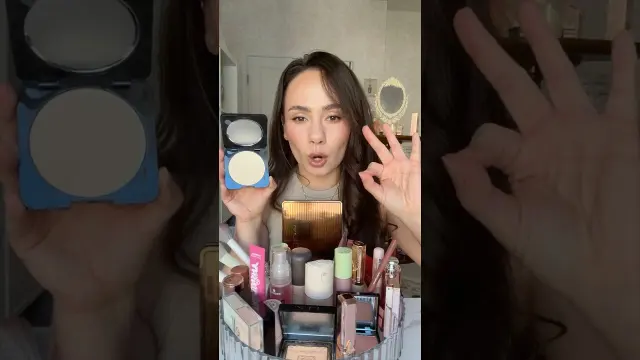 Reviewing the top new complexion makeup products
Get new #Beauty Review ideas by email
Every Thursday: the week's best ideas, with the newest from #Beauty Review.
Related tags
Beauty Reviews: How to Read and Write Them
What beauty reviews are
Beauty reviews are short or detailed evaluations of products, routines, or treatments related to skin care, makeup, hair care, and fragrance. They help you understand how something looks, feels, applies, and performs in real life, rather than only in a description or advertisement. A good review explains who the product may suit, what it does well, and where it falls short.
Beauty reviews have long been part of beauty magazines, blogs, and personal recommendations. At their best, they combine personal experience with careful observation. They are useful because beauty products can behave differently depending on skin type, hair type, climate, application style, and the other products you use.
What beauty reviews usually cover
Read more
A clear beauty review often looks at a few basic points:
- Texture or finish
- Scent or feel
- Ease of use
- Shade, coverage, or colour
- Wear time or staying power
- Packaging and practicality
- Whether the product suits certain needs
For example, a foundation review might discuss coverage, finish, how it layers, and whether it suits dry, oily, or combination skin. A lipstick review may focus on colour payoff, comfort, and how evenly it fades. A cleanser review may look at how it feels on the skin and how well it fits into a routine.
Common kinds of beauty reviews
There are several ways beauty reviews are written:
- First impressions: quick reactions after one or a few uses
- Full reviews: more considered opinions after repeated use
- Comparison reviews: two or more similar products judged side by side
- Routine reviews: how a product works as part of a larger skincare or makeup routine
- Ingredient-focused reviews: more attention to the formula and what it may be like to use
Each style has value. First impressions can be helpful for texture, application, and shade, while longer use is better for judging comfort, wear, and consistency.
How to read beauty reviews well
When you read beauty reviews, look for context. One person’s favourite product may not work the same way for you. Pay attention to details such as skin type, undertone, preferred finish, sensitivity, or hair texture if those are mentioned. Reviews are most useful when they explain why something worked or did not work.
It also helps to notice whether the writer is describing the product honestly or only praising it. Balanced reviews usually mention both strengths and limits.
Tips for writing a helpful beauty review
If you write reviews yourself, keep them clear and specific:
- Say what the product is and how you used it
- Describe the first impression and the longer-term experience
- Mention what stood out, good or bad
- Be honest about who it may suit
- Avoid exaggerated claims
- Use simple language and concrete examples
A useful beauty review does not need to be dramatic. It only needs to be thoughtful, fair, and based on real experience. If you can explain how a product behaved and what kind of result it gave you, you are already writing a strong review.
#Beauty Review: frequently asked questions
How do I start writing a beauty review if I have never written one before?
Start with something you already use regularly, and describe how it actually behaved for you — how it applied, how it felt, and how it held up over time. Keep notes simple and specific rather than reaching for dramatic language. A short, honest account of your own experience is already a useful review.
What should I include in a beauty review so it is actually helpful to others?
Cover the basics people want to know: texture or finish, ease of use, shade or coverage, how long it lasts, and how practical the packaging is. Say what kind of skin, hair, or routine it seemed to suit, since that context is what makes your experience meaningful to a reader. Mentioning both what worked and what fell short keeps it balanced.
Which kind of beauty review should I read — a first impression or a full review?
First impressions are handy for judging things you can see quickly, like texture, application, and shade match. For comfort, staying power, and consistency, a review written after repeated use tells you far more. If you are weighing a bigger decision, look for a comparison or routine review that shows how the product behaves alongside others.
How can I care for and get the best out of the beauty products I buy based on reviews?
Follow the directions that come with the product and store it sensibly — away from heat and direct sun, and closed properly. Give a new product a fair trial across different conditions before deciding it does not work for you. If something irritates your skin, discontinuing it and asking a qualified professional is the sensible step.
What are the most common mistakes people make when reading or writing beauty reviews?
The biggest one is treating someone else's favourite as a guarantee for yourself, when skin type, climate, and the other products in your routine all change the result. Writers often err the other way, praising without limits or skipping who the product actually suits. Look for reasons and context rather than a verdict alone.
Where can I find ideas for beauty reviews worth writing, such as for a season or an occasion?
Seasonal moments are a natural prompt — a holiday look, a new complexion product, a routine that shifts with the weather. Reviews that compare a few similar products, or follow one item through a whole routine, tend to be more useful than a single rave. Pick whatever you genuinely used and can describe honestly.
Videos come from YouTube and posts from Instagram; titles and summaries are our own. All rights belong to their creators.