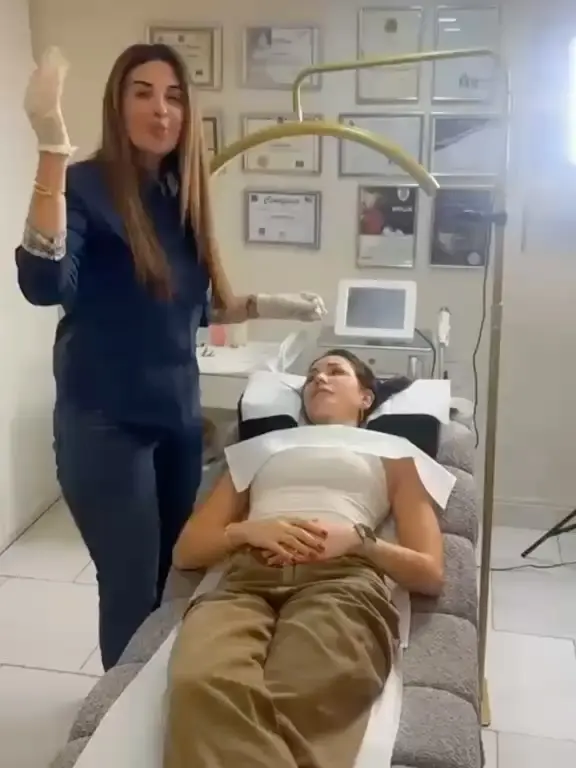
 Permanent makeup removal: a look at the healed results
#Beauty Training
1 ideas
Permanent makeup removal: a look at the healed results
Get new #Beauty Training ideas by email
Every Thursday: the week's best ideas, with the newest from #Beauty Training.
Related tags
Beauty Training: A Beginner's Guide to the Craft
Beauty training is the structured learning of the practical skills behind personal care and grooming: makeup application, skincare routines, nail work, hair styling, lash and brow services, and the many treatments offered in salons and studios. It sits somewhere between craft and service work. You learn a set of hand skills, you learn the theory that helps you make good decisions with them, and you learn how to use both on real people who have their own expectations, sensitivities and preferences.
Where it comes from
Professional beauty work has roots in barbering, hairdressing and theatrical makeup, trades that were formalised long before the modern salon existed. What changed over the last century is the range of services and the expectation that practitioners be trained rather than simply experienced. Today most countries have some mix of vocational schools, private academies, apprenticeships and short accredited courses, and regulation varies widely from place to place. It is worth checking what your own region requires before you spend money on any programme.
The main kinds of training
Read more
Training generally falls into a few shapes. Foundation courses cover hygiene, consultation, skin and hair basics, and simple services, and are usually the entry point. Specialist courses go deep on one area, such as bridal makeup, gel nails or lash extensions. Apprenticeships and salon assistantships trade time for supervised practice, which many people find the fastest way to build confidence. Continuing education is the fourth: short sessions that let working professionals add a skill or refresh an old one.
What beginners should know
The practical skills look easier from the outside than they are. Hand pressure, product placement, timing and posture all matter, and all of them improve only with repetition. Expect to practise on mannequins, on classmates and on willing friends long before you charge anyone.
Hygiene is not a chapter you read once. Clean tools, clean hands, fresh linens and proper disposal are part of every service, and a good course will treat them as the foundation rather than an afterthought. Learn to ask about allergies, sensitivities and skin conditions, and learn to say plainly when something is outside your scope and should be handled by a healthcare professional.
Choosing a course
Ask what is actually included: how many hours are hands-on, how large the groups are, what kit you need to buy, and whether the qualification is recognised where you intend to work. Look at the trainer's own experience. Ask former students what the teaching was like, not just what the certificate says.
Practical tips
Keep a notebook of what worked and what did not, client by client. Photograph your work in consistent light so you can see progress honestly. Practise the consultation as much as the technique, because most of the job happens in conversation before you touch a brush. And pace yourself: beauty work is physical, so build habits around posture, breaks and hand care early, while they are still easy to change.
#Beauty Training: frequently asked questions
How do I get started in beauty training if I have no experience at all?
Start with a foundation course that covers hygiene, consultation, basic skin and hair knowledge, and simple services, since that is the usual entry point into the field. From there you can add specialist skills once you know which area you actually enjoy working in. Before paying for anything, check what your own region requires of practitioners, because rules differ a lot from place to place.
Do I need a certificate to work, or is experience enough?
It depends on where you live and who you want to work for, since regulation varies widely and some settings expect a recognised qualification while others value supervised practice more. What matters most is that the certificate is accepted in the region where you plan to work, so ask that question directly before enrolling. Practical ability and a portfolio of real work still carry a lot of weight alongside any paperwork.
Which kind of training should I choose: a foundation course, a specialist course or an apprenticeship?
A foundation course gives you the broad base, a specialist course takes you deep into one service such as bridal makeup or lash work, and an apprenticeship trades your time for supervised practice on real clients. Many people combine them, building the base first and then adding specialities as their interests settle. If confidence with real people is your weak point, the salon-based route usually gets you there faster.
What do beginners usually get wrong when they start training?
The most common error is underestimating the hand skills, since pressure, product placement, timing and posture only improve through repetition on mannequins, classmates and willing friends. Another is treating hygiene as something you learn once rather than a routine that runs through every single service. Beginners also tend to focus entirely on technique and neglect the consultation, even though most of the work happens in conversation before any brush is picked up.
How should I look after my tools and my own body while working?
Clean tools, clean hands, fresh linens and correct disposal belong in every service, and keeping a consistent routine is easier than trying to fix habits later. Because the work is physical, build good posture, regular breaks and hand care into your practice early, while those habits are still easy to change. A notebook and consistent photographs of your work also help you see progress honestly and spot what needs improving.
How do I know whether a course is actually worth the money?
Ask how much of the time is hands-on, how large the groups are, what kit you must buy separately, and whether the qualification is recognised where you intend to work. Look at the trainer's own professional experience as well as the certificate on offer. Talking to former students about the quality of teaching tells you far more than the course brochure does.
Videos come from YouTube and posts from Instagram; titles and summaries are our own. All rights belong to their creators.