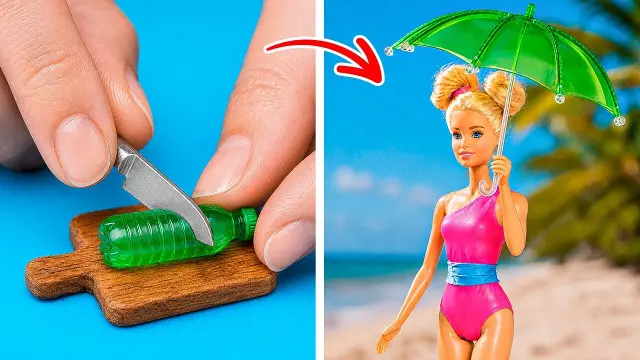
 The Cutest Mini Doll Crafts Made from Simple Materials
#Beginner Crafts
1 ideas
The Cutest Mini Doll Crafts Made from Simple Materials
Get new #Beginner Crafts ideas by email
Every Thursday: the week's best ideas, with the newest from #Beginner Crafts.
Related tags
Beginner Crafts: Simple Creative Projects to Try
What beginner crafts are
Beginner crafts are simple creative projects that help you learn basic making skills without needing advanced tools or experience. They can include paper craft, sewing, knitting, embroidery, clay work, collage, beadwork, and many other handmade activities. The aim is not perfection but practice: learning how to cut, fold, glue, stitch, shape, or decorate in a calm, manageable way.
Crafting has been part of everyday life for centuries, long before it became a hobby. People have always made useful and decorative objects by hand, from household textiles to ornaments and gifts. Today, beginner crafts are popular because they let you slow down, use your hands, and make something personal.
Common types of beginner crafts
Read more
If you are just starting out, it helps to choose crafts that are forgiving and easy to correct.
- Paper crafts: cards, paper flowers, simple origami, collages, and cut-out decorations
- Sewing crafts: basic hand stitching, felt shapes, simple pouches, and fabric ornaments
- Yarn crafts: finger knitting, basic crochet, or simple weaving
- Clay crafts: small figures, beads, dishes, or decorative shapes made from air-dry clay
- Decorative crafts: painting stones, decorating jars, making garlands, or personalising notebooks
- Beading and jewellery making: bracelets, necklaces, and small charms with straightforward patterns
Each craft has its own rhythm. Some are very quick, while others reward patience and repetition.
What you need to begin
You do not need a large collection of supplies to start crafting. In fact, it is often easier to begin with a few basic materials and a single simple project.
- Scissors
- Glue or tape
- Paper or card
- Pencil and eraser
- Needles and thread for sewing
- Yarn or string
- Basic paints or markers
- A ruler
- Small containers for keeping bits and pieces together
As you try different projects, you will naturally learn which tools you use most often. Keeping your supplies tidy makes it easier to return to a project later and reduces frustration.
Helpful beginner techniques
A few habits can make crafting more enjoyable and successful.
- Start small: choose projects that can be finished in one sitting or over a short time
- Follow the steps in order: this helps you understand how the material behaves
- Practice on scrap material first: it gives you room to test shapes, stitches, or colours
- Keep your work simple: clean lines and basic forms often look best in beginner projects
- Be patient with mistakes: most crafts can be adjusted, covered, or remade
- Use your hands to learn: crafting is as much about touch and rhythm as it is about instructions
If a project feels difficult, break it into smaller parts. Learning to make something is usually easier when you focus on one small skill at a time.
Practical tips for getting started
Choose a craft that genuinely interests you. If you enjoy decorating, try collage or paper craft. If you like texture, try sewing or yarn work. If you enjoy shaping things, try clay. Interest matters because it keeps you curious while you are learning.
It also helps to work in a clear, comfortable space with good light. Have a place for finished pieces, unfinished projects, and spare materials. That way, you can return to your work without starting over each time.
Remember that handmade objects do not need to look identical to store-bought ones. Small differences are part of their charm. As you practise, your hands will become steadier and your choices more confident. Beginner crafts are less about producing perfect results and more about enjoying the process of making something with your own hands.
Videos come from YouTube and posts from Instagram; titles and summaries are our own. All rights belong to their creators.