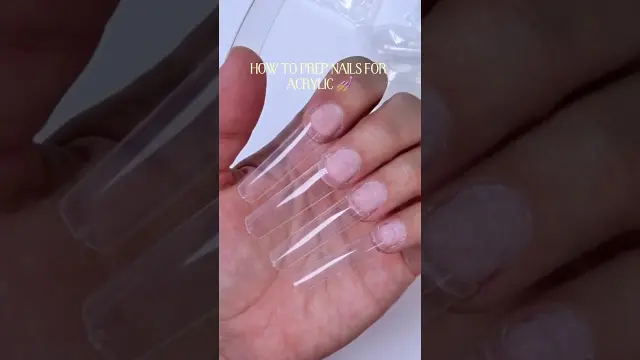
 How to Prep Natural Nails for Acrylic Application
#Beginner Nail Tech
2 ideas
How to Prep Natural Nails for Acrylic Application
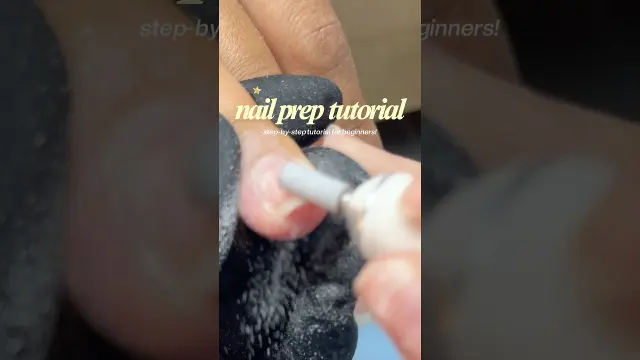 Quick Beginner Nail Prep Tutorial
Get new #Beginner Nail Tech ideas by email
Every Thursday: the week's best ideas, with the newest from #Beginner Nail Tech.
Related tags
Beginner Nail Tech Guide
What a beginner nail tech does
A beginner nail tech is someone who is learning the foundations of nail care, nail enhancement, and tidy cosmetic finishing. Nail technology covers natural nail grooming as well as services such as shaping, polishing, and applying enhancements. It is a hands-on craft that combines cleanliness, precision, and an eye for detail.
At the start, the most important skills are simple ones: understanding nail anatomy, keeping tools clean, preparing the nail properly, and working neatly. Good habits matter more than speed. If you build a careful routine early, it becomes much easier to create smooth, lasting results later.
The basics to learn first
Read more
Before moving into advanced designs or enhancements, focus on the core steps that support almost every nail service:
- Nail and skin prep
- Safe sanitation and hygiene
- Filing and shaping
- Cuticle care
- Base coat and product control
- Even application and finishing
A clean workspace is part of the service. Wash hands, sanitize tools, and never work on nails that show signs of infection or serious irritation. If you are ever unsure about a skin or nail concern, it is best to pause and suggest that the client seek professional advice.
Common techniques and styles
Nail technology includes many styles, but beginners usually start with a few basic ones:
- Natural nail care, including shaping and polishing
- Regular polish application
- Gel polish basics
- Simple nail art
- Acrylic or gel enhancement prep, once the basics are secure
Different nail shapes are often used, such as square, oval, round, almond, and coffin-shaped tips. Each shape changes the look of the hand, but the best choice depends on the client’s natural nail condition, lifestyle, and preference. A beginner should learn to file evenly and check symmetry often.
What to practice as a beginner
The best way to improve is through repetition. Practice on tips, practice hands, or your own nails before working on others. Pay attention to pressure, product amount, and neat edge work. A common beginner mistake is doing too much at once; thin, controlled layers are usually easier to manage than heavy product.
Helpful habits include:
- Working slowly and checking your angle often
- Keeping products off the skin
- Using light filing pressure
- Wiping tools and brushes as needed
- Finishing with a tidy, smooth shape
Staying safe and building confidence
Nail technology is partly about appearance, but it is also about care. Use products as directed, follow hygiene rules, and avoid overworking the natural nail plate. If something feels uncomfortable for the client, stop and adjust your approach. With time, your technique becomes steadier and your results more consistent.
For a beginner, progress comes from patience. Learn the basics well, keep practicing, and treat each set as a chance to improve your control, cleanliness, and confidence.
#Beginner Nail Tech: frequently asked questions
How do I start learning nail technology with no experience?
Start with the foundations rather than the flashy designs: nail and skin prep, clean tools, filing and shaping, cuticle care, and even product application. Practice on tips, practice hands, or your own nails before you work on anyone else, and repeat those basics until your hand feels steady. Good habits and neatness early on matter far more than speed.
What do I actually need to begin, aside from products?
You mainly need a clean, well-lit workspace, a set of sanitation habits, and the patience to practise slowly. Understand basic nail anatomy and how to prep the natural nail properly, since most service problems trace back to prep and cleanliness. Keep your products off the skin and wipe tools and brushes as you work.
Which technique should a beginner learn first?
Natural nail care is the practical starting point, followed by regular polish application and then gel polish basics. Acrylic or gel enhancements make more sense once shaping, prep, and product control already feel secure. Simple nail art can come along the way without distracting from the core skills.
How do I choose the right nail shape?
Learn a few common shapes, such as square, oval, round, almond, and coffin, and get comfortable filing each one evenly. The right choice depends on the client's natural nail condition, their daily lifestyle, and their own preference, not on what looks trendy. Check symmetry often as you file rather than waiting until the end.
What mistakes should I watch out for as a beginner?
The most common mistake is trying to do too much at once, whether that means heavy product or a complicated design. Thin, controlled layers are easier to manage and give a cleaner result than thick ones. Other frequent slips are pressing too hard with the file, getting product on the skin, and rushing the prep.
How do I keep things safe while I'm still learning?
Wash your hands, sanitize your tools, and follow product directions closely. Never work on nails that show signs of infection or serious irritation, and pause if a client feels uncomfortable so you can adjust your approach. If you are ever unsure about a skin or nail concern, stop and suggest the person seek professional advice.
Videos come from YouTube and posts from Instagram; titles and summaries are our own. All rights belong to their creators.