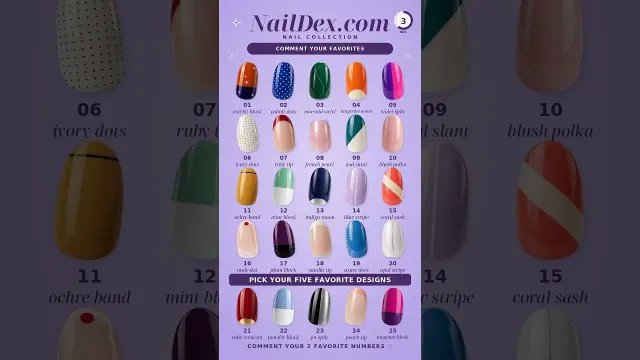
 25 Creative Nail Art Designs to Try for Beginners
#Beginner Nails
20 ideas
25 Creative Nail Art Designs to Try for Beginners
 A Dad Takes My Nail Art Class to Prove It Is Easy
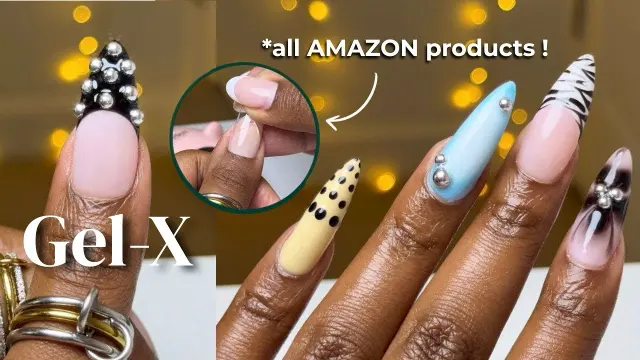 Master Gel-X Nails at Home with a Beginner Tutorial
 How to Make Press-On Nails Last Three Weeks at Home
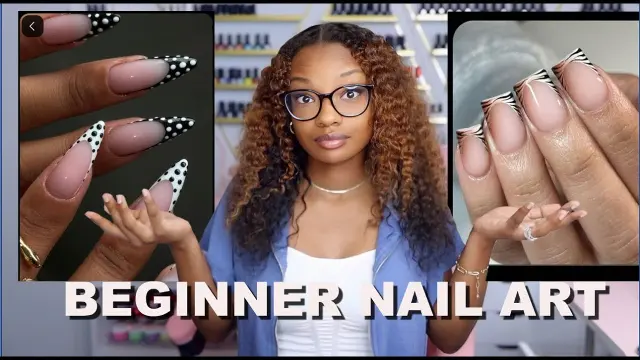 Easy Beginner Friendly Nail Designs with Step-by-Step Nail Art
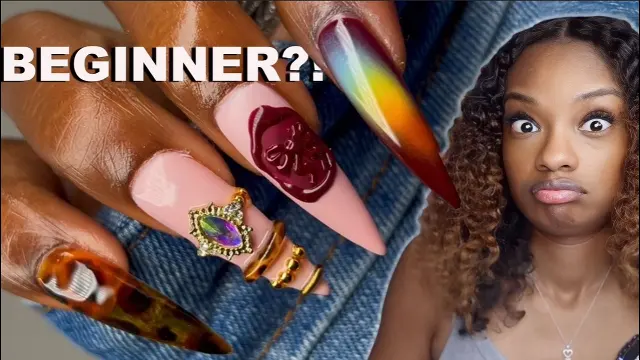 Testing Advanced Looking Nail Designs for Beginners
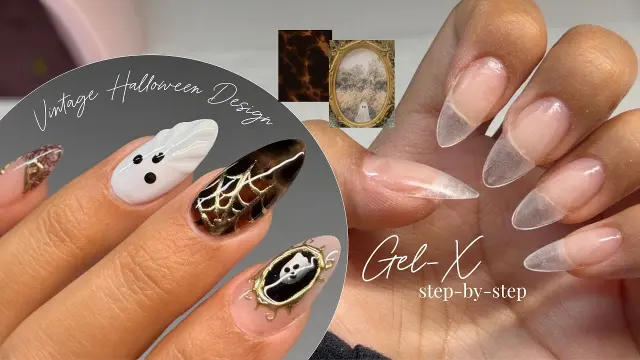 Step-by-Step Gel-X Nails Tutorial for Beginners
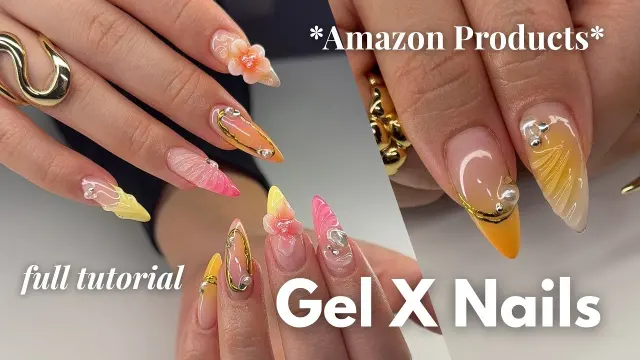 Full Amazon Gel-X Set Step-by-Step Tutorial
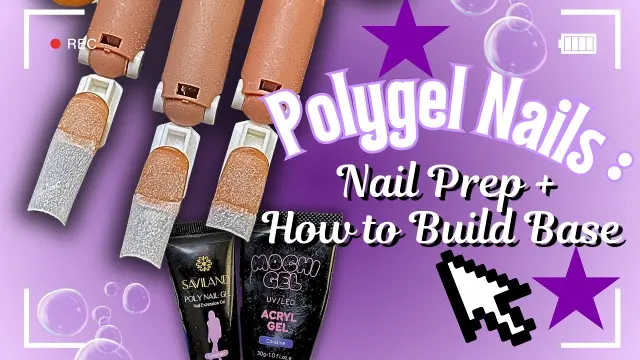 Polygel Nails Preparation and Base Building Tutorial
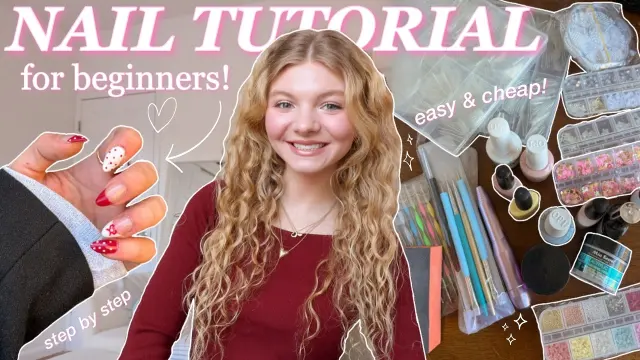 How to Do Acrylic Nails at Home with an Easy DIY Tutorial
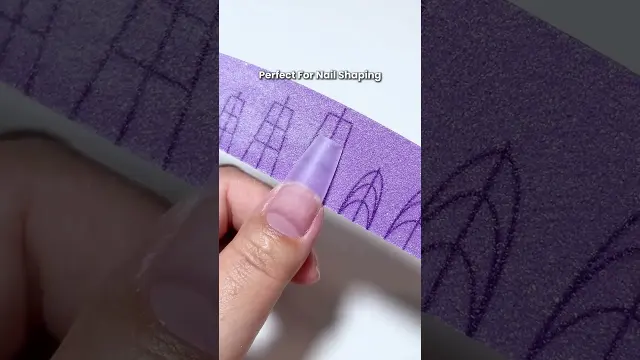 Nail Beginner Must-Have Hand File with Nail Shape Guide
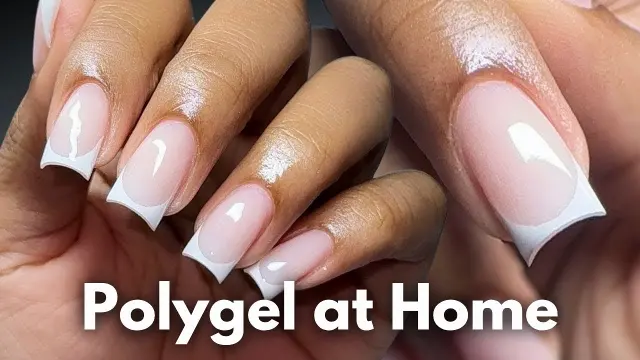 Complete Polygel Nail Prep and Application for Beginners
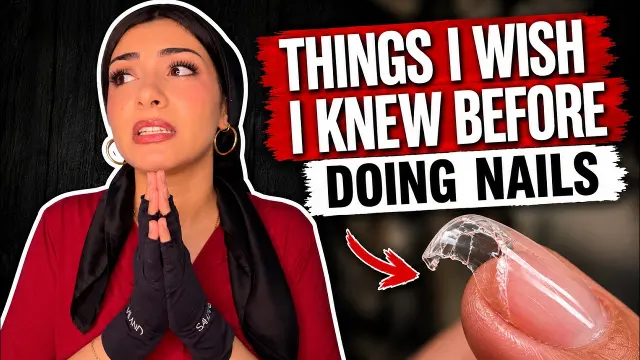 Essential Gel-X Basics and Beginner Tips for Doing Nails
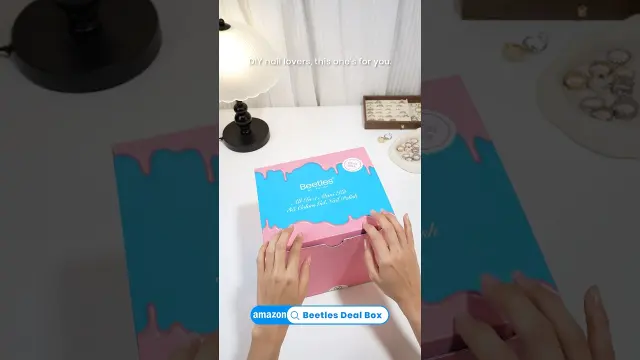 Beginner-Friendly Gel Nail Kit Unboxing and Fruit Nail Tutorial
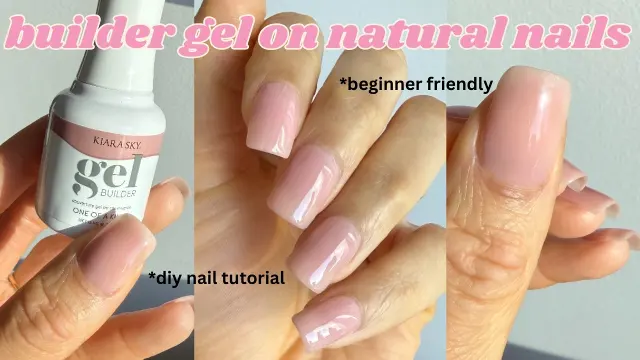 How to Apply Builder Gel on Natural Nails for Beginners
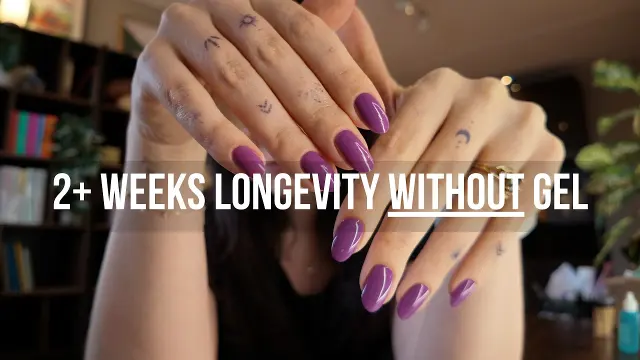 How to Get the Perfect Manicure with Regular Nail Polish
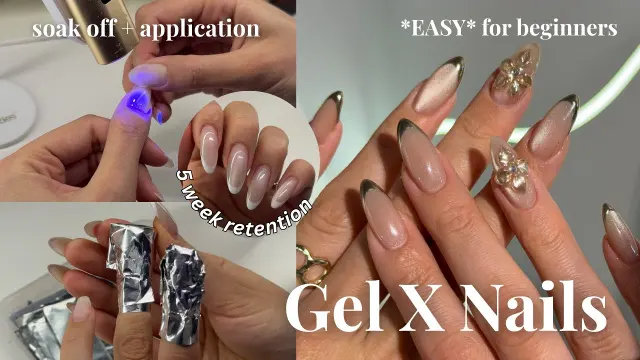 Complete Beginner Guide to Gel-X Nail Extensions
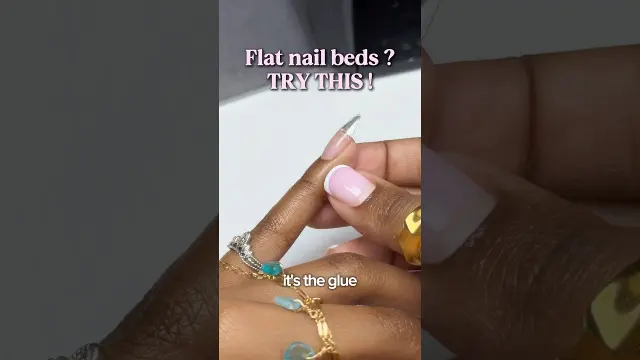 How to Apply Gel-X Nails Step-by-Step for Beginners
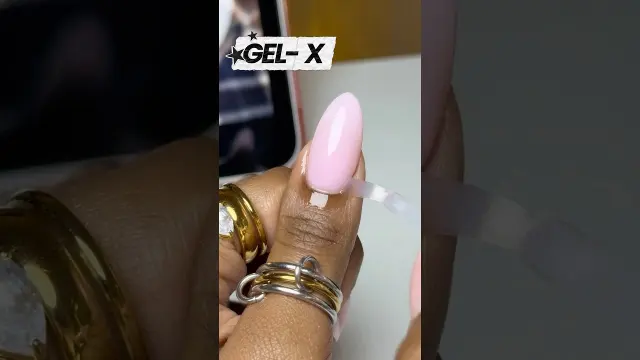 Easy beginner gel x nail tutorial for home manicures
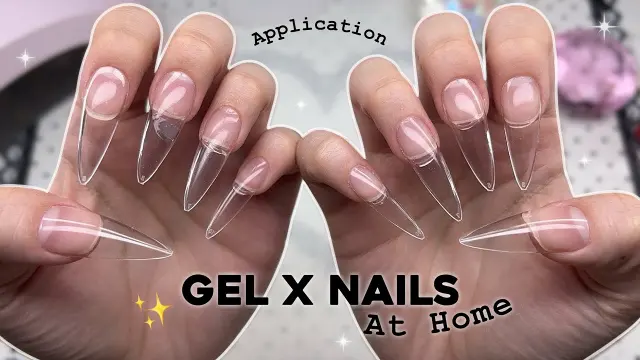 Beginner friendly gel x nail tutorial with pink art
Get new #Beginner Nails ideas by email
Every Thursday: the week's best ideas, with the newest from #Beginner Nails.
Collections
Related tags
Beginner Nails: A Simple Guide to Getting Started
Getting Started with Beginner Nails
Beginner nails are all about learning the basics of nail care and simple manicure techniques. Whether you want neat natural nails, a polished manicure, or a foundation for gel or false nails, the first step is understanding healthy preparation. Good nails usually start with clean, dry hands, gently shaped edges, and careful care of the nail plate and surrounding skin.
Basic Nail Care
Before you apply any colour or enhancements, take time to look after the natural nail. Keep nails clean and dry, trim them if they become too long, and file them in one direction to reduce splitting. A soft nail file is usually easier for beginners than a harsh one. The skin around the nails should be treated gently; pushing cuticles too hard or cutting too deeply can cause irritation, so it is better to work carefully and slowly.
Read more
Moisturising the hands and cuticles regularly also helps keep the nail area comfortable. If your nails feel weak or peel easily, avoid aggressive filing and heavy use of removers. Simple, consistent care often gives the best results.
Tools That Help
A beginner does not need a large collection of tools. A few basics are enough to create tidy nails:
- Nail file
- Nail buffer
- Cuticle pusher or soft orangewood stick
- Nail clippers
- Base coat and top coat
- Nail polish or sheer strengthening polish
- Cotton pads and remover
If you want to try gel polish, soft gel extensions, or other nail enhancements, you will also need the correct prep products and curing method for that system. Using the right tools for the technique matters more than collecting many products.
Simple Nail Shapes and Styles
Classic beginner-friendly shapes include rounded, squoval, and short oval nails. These are easy to maintain and less likely to catch or break. Once you feel more confident, you can experiment with longer or sharper shapes, but shorter styles are often easiest when you are still learning.
For polish, you can keep it simple with a clear finish, a nude shade, or a single colour. French-inspired styles, minimal accents, and soft neutral tones are also good choices because they are forgiving and elegant.
Learning Application Techniques
When applying polish, thin coats are usually better than thick ones. Thick layers can dry unevenly and may chip sooner. Start with a base coat, apply colour in smooth strokes, and finish with a top coat to help protect the manicure.
If you want to learn gel, dip, or extension systems, focus first on preparation. Clean, lightly prepared nails help products adhere better. Beginners should follow the instructions for each system closely and avoid forcing products onto the skin. If something feels uncomfortable or looks uneven, it is better to stop and correct it than to continue applying more product.
Practical Tips for Beginners
Start simple and practise often. Short nails are easier to manage while you are learning. Keep your tools clean, work in good light, and take your time with each step. If a manicure chips quickly, check your preparation and application rather than rushing to add more layers.
Most of all, beginner nails are about building confidence. You do not need perfect results right away. With patience and a little practice, you can learn how to create neat, healthy-looking nails that suit your own style.
#Beginner Nails: frequently asked questions
How do I start doing my own nails as a complete beginner?
Start with your natural nails rather than enhancements: keep hands clean and dry, gently shape the edges, and look after the skin around the nail before thinking about colour. Practise a simple routine of base coat, one colour, and top coat so you get comfortable with the motions. Confidence comes from repetition, not from perfect results on the first try.
What tools do I actually need to begin, and what can I skip?
A small kit covers it: a soft file, a buffer, clippers, a cuticle pusher or orangewood stick, base and top coat, a polish, and cotton pads with remover. You only need extra prep and curing products if you move into gel or extension systems, since those depend on the correct method for that product. Buying fewer, better-suited tools helps more than collecting a large set.
Which nail shape and style should a beginner choose first?
Short rounded, squoval, and short oval shapes are the easiest to maintain and are less likely to catch or break while you learn. For colour, clear, nude, or a single shade is forgiving, and soft French-inspired or minimal accents look polished without demanding steady detail work. Longer or sharper shapes are easier to handle once your technique settles.
What common beginner mistakes should I avoid?
The usual culprits are thick polish layers, rushing preparation, and pushing or cutting cuticles too aggressively. Thick coats dry unevenly and chip sooner, while skipped prep stops product from sitting properly on the nail. If something looks uneven or feels uncomfortable, stop and correct it rather than adding more product on top.
How should I care for my nails between manicures?
Keep nails clean and dry, file in one direction to reduce splitting, and moisturise hands and cuticles regularly to keep the area comfortable. If nails feel weak or peel, ease off aggressive filing and frequent remover use. Consistent, gentle care does more for how your nails look than any single product.
How can I make a beginner manicure last longer?
Most short-lived manicures come down to preparation and application, so check those first when polish chips early. Thin, even coats with a base and top coat protect the colour better than heavy layers, and clean, lightly prepared nails help anything adhere. Working in good light and taking your time at each step also makes a visible difference.
Videos come from YouTube and posts from Instagram; titles and summaries are our own. All rights belong to their creators.