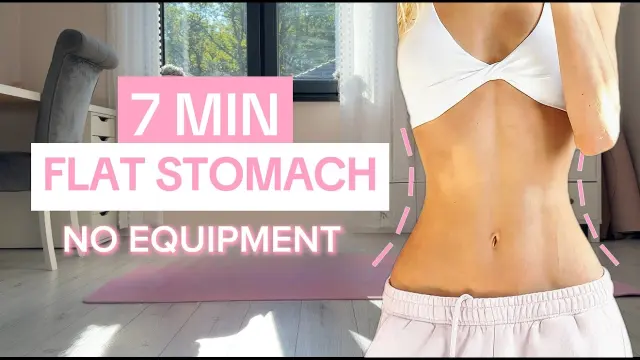
 Seven-Minute Pilates Routine for Abs and Waist With No Equipment
#Beginner Pilates
3 ideas
Seven-Minute Pilates Routine for Abs and Waist With No Equipment
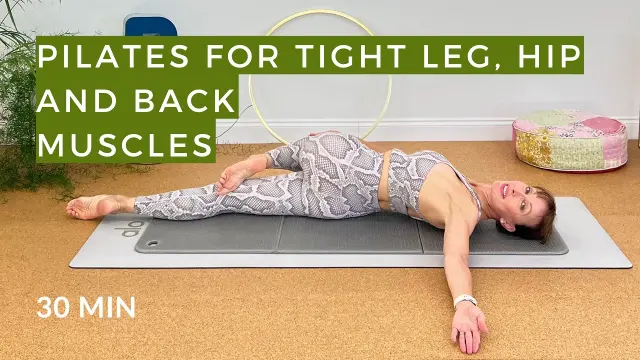 30-Minute Pilates Routine for Tight Hamstrings, Hips and Back
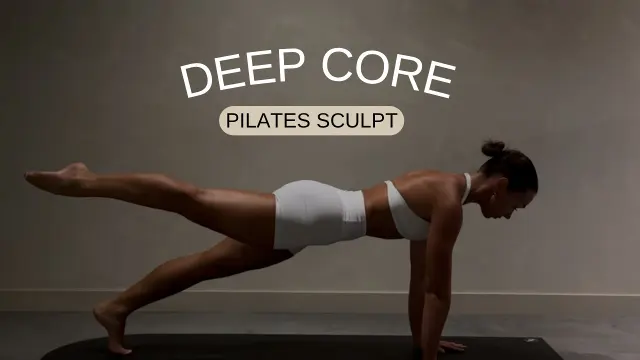 15-Minute Deep Core Pilates Workout With No Equipment
Get new #Beginner Pilates ideas by email
Every Thursday: the week's best ideas, with the newest from #Beginner Pilates.
Related tags
Beginner Pilates: A Gentle Guide to Getting Started
Pilates is a method of controlled, low-impact exercise that builds strength, flexibility and body awareness, with a particular focus on the muscles around the spine and pelvis. It is usually practised on a mat or on specialised spring-based equipment, and it suits a wide range of ages and fitness levels because the movements can be adapted to the person doing them.
Where it comes from
The method was developed by Joseph Pilates, who was born in Germany in the late nineteenth century and later worked in Britain and the United States. He devised a series of exercises intended to correct posture and restore balance after illness or injury, and he built his first equipment from bed springs and simple frames. He called his approach "Contrology", meaning the control of the body by the mind; the name Pilates came later, from his own surname. The mat work he set out is still recognisable in classes today, which is part of why the method has lasted so long.
What it is used for
Read more
People come to Pilates for many reasons. It is often used to improve posture and support for the back, to develop core strength, to increase mobility, and to balance out the effects of long hours sitting. Dancers and athletes use it to refine alignment and control, while others simply enjoy a calm, focused form of movement that leaves them feeling lengthened rather than worn out.
The main styles
Mat Pilates is the most accessible form: you work with your own body weight, often with small props such as a ring, a soft ball or a resistance band. Reformer Pilates uses a sliding platform with springs, which can support the body or add resistance. Classical Pilates follows the original sequence of exercises closely; contemporary Pilates adapts them with wider variations and often blends in other movement work. Clinical Pilates is taught by trained practitioners with an emphasis on rehabilitation, and it is worth seeking out if you are recovering from an injury.
What beginners should know
Start with the basics before worrying about speed or difficulty. The principles to keep in mind are concentration, control, centring, flow, precision and breathing. Movements are slow and deliberate, and the breath is coordinated with each one; most teachers suggest breathing in to prepare and out as you exert effort.
A few practical points help. Learn the neutral spine position and how to engage your deep abdominal muscles gently — drawing in and up rather than sucking in hard. Keep the ribs from flaring and the shoulders relaxed away from the ears. Quality matters far more than quantity: a few precise repetitions are better than many rushed ones. Short, regular sessions build the habit more reliably than long, occasional ones.
Practical tips for your first sessions
- Choose a beginner or fundamentals class rather than an open-level one.
- Tell the teacher about any injuries or areas of discomfort before you start.
- Use a mat with enough padding for your spine, and keep water nearby.
- Skip or modify any movement that causes pain; sharp pain is a signal to stop, not something to work through.
- Expect to feel warm and focused rather than exhausted — that is a sign you are on the right track.
Give yourself time. Pilates rewards patience and repetition, and the sense of control you build in the first weeks tends to carry into how you sit, stand and move.
#Beginner Pilates: frequently asked questions
How do I start Pilates as a beginner at home or in a class?
Begin with a beginner or fundamentals class so you can learn the basic positions, breathing, and control before moving on to harder routines. If you practise at home, keep the session short, focus on slow and precise movements, and choose simple mat exercises instead of rushing into advanced variations.
What do I need for beginner Pilates?
A comfortable mat with enough padding is the main thing you need for floor work. Small props like a soft ball, a resistance band, or a Pilates ring can be helpful later, but they are not necessary at the start.
Which type of Pilates is best for beginners?
Mat Pilates is usually the easiest place to begin because it uses your own body weight and basic equipment. If you want more support or resistance, reformer sessions can be a good next step, while clinical Pilates is better suited to people who need a more guided, rehabilitation-focused approach.
What should I focus on during my first Pilates sessions?
Pay attention to breathing, control, and good alignment rather than trying to do a lot of repetitions. Keep your shoulders relaxed, your ribs from flaring, and your core gently engaged, and aim for smooth movement instead of speed.
What are common beginner Pilates mistakes to avoid?
A common mistake is moving too fast and losing form, when Pilates works best with slow, deliberate control. Another is pushing through sharp discomfort; if a movement hurts, it is better to modify it or skip it than to force it.
Videos come from YouTube and posts from Instagram; titles and summaries are our own. All rights belong to their creators.