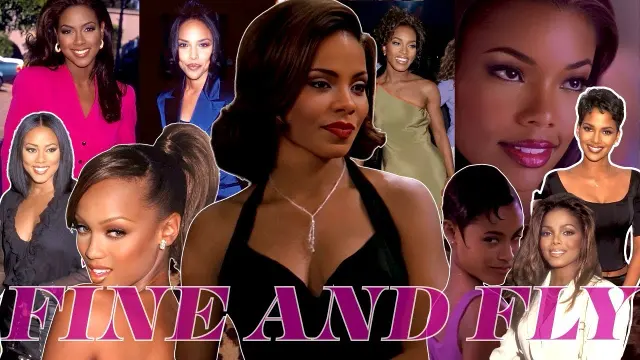
 Celebrating timeless influence and style in nineties Black fashion
#Black Culture
1 ideas
Celebrating timeless influence and style in nineties Black fashion
Get new #Black Culture ideas by email
Every Thursday: the week's best ideas, with the newest from #Black Culture.
Related tags
Black Culture: Roots, Expression, and Influence
What Black culture means
Black culture is the wide and diverse collection of traditions, values, creative expressions, languages, and ways of life shaped by people of African descent across the world. It is not one single style or experience. It includes many histories and communities, from Africa and the African diaspora in the Americas, the Caribbean, Europe, and beyond.
At its heart, Black culture is often rooted in resilience, memory, family, faith, community, and creativity. Because Black people have lived through slavery, colonization, segregation, migration, and discrimination in many places, culture has often been a way to preserve identity, tell stories, and create beauty under difficult conditions.
Where it comes from
Read more
Black culture has deep roots in African traditions, including oral storytelling, music, dance, textile work, foodways, spirituality, and communal living. As people were forced or chose to move across the world, these traditions adapted and mixed with local influences. That is why Black culture can look different from place to place while still sharing common threads.
You will find African influences in language, rhythm, food, ceremony, hairstyle, dress, and social customs. In many communities, the family extends beyond close relatives, and elders are treated as sources of knowledge and guidance.
Main forms of expression
Black culture is often visible through the arts, especially music, dance, fashion, literature, and visual art. These forms have shaped global culture in powerful ways.
- Music: gospel, blues, jazz, soul, reggae, hip-hop, R&B, Afrobeat, calypso, and many more forms
- Dance: social dances, ceremony, praise dance, club styles, and movement traditions tied to music
- Style: clothing, headwraps, braids, natural hair, tailoring, and expressive personal style
- Food: recipes that reflect African roots, local ingredients, and family traditions
- Language: dialects, slang, storytelling patterns, and expressive speech styles
- Literature and oral tradition: poetry, sermons, spoken word, folktales, and memoir
What beginners should understand
If you are learning about Black culture, start with curiosity and respect. There is no single “Black experience,” and it is best to avoid treating one region, one hairstyle, one sound, or one language style as representative of everyone.
A few helpful ideas:
- Listen to Black voices directly, especially from the communities you want to learn about
- Notice the difference between appreciation and appropriation
- Learn the history behind styles and traditions before using them
- Understand that culture is lived, not just aesthetic
- Be open to complexity; Black culture includes joy, struggle, innovation, humor, grief, and pride
A culture of creativity and continuity
Black culture continues to evolve through everyday life as much as through famous art. It lives in family meals, church gatherings, neighborhood conversations, classroom ideas, hair care routines, music at home, and the passing down of stories. Its strength lies in both continuity and change: honoring the past while making room for new voices.
If you are drawn to Black culture, approach it with humility, care, and genuine interest. The more you learn, the more you will see that it is not just influential, but foundational to many parts of global culture.
#Black Culture: frequently asked questions
How do I start learning about Black culture in a respectful way?
Begin with curiosity and let Black voices lead — follow writers, musicians, cooks, and community storytellers from the specific cultures you want to understand. Read the history behind a tradition before you adopt or share it, and stay open to how varied the experiences are. Treat it as living culture rather than a style to borrow.
What is the difference between appreciating Black culture and appropriating it?
Appreciation means engaging with respect, credit, and understanding of where something comes from; appropriation usually means taking the visible parts while ignoring the people and history behind them. Asking who benefits and whether the source community is acknowledged is a practical way to tell the two apart. When in doubt, learn more before you borrow.
Which forms of Black cultural expression should I explore first?
There is no required order — music, dance, food, language, literature, style, and visual art are all entry points, and each connects to the others. Pick the one you already love, then follow it back to its roots and forward to how artists are reshaping it now. Many people find food and storytelling the most welcoming places to begin.
Why does Black culture look different from one place to another?
African traditions traveled with people through forced migration and chosen movement, then blended with local languages, ingredients, faiths, and customs wherever communities took root. That shared root explains the common threads, while the local mixing explains the differences. It is better to describe a specific community's tradition than to speak of one single Black culture.
How can I honor Black culture at a family or community occasion?
Center the people the occasion is about and the traditions that belong to their specific heritage rather than a general mix of aesthetics. Credit the sources of recipes, styles, and music, and involve people from that community in the planning. Keep the focus on warmth, memory, and shared joy rather than decoration.
What are common mistakes people make when approaching Black culture?
The most frequent ones are treating a single region, hairstyle, sound, or slang as representative of everyone, and enjoying the aesthetic while skipping the history. Others include speaking over Black voices instead of listening, and assuming culture is only about struggle when it is equally about creativity, humor, faith, and pride. Humility and a willingness to be corrected go a long way.
Videos come from YouTube and posts from Instagram; titles and summaries are our own. All rights belong to their creators.