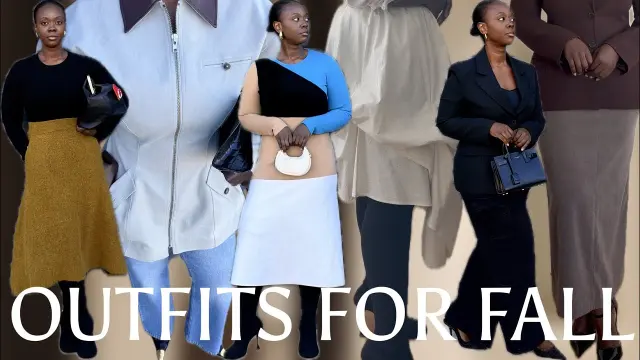
 Fall and Winter Styling: Blazers, Draped Skirts and Denim Looks
#Blazers
2 ideas
Fall and Winter Styling: Blazers, Draped Skirts and Denim Looks
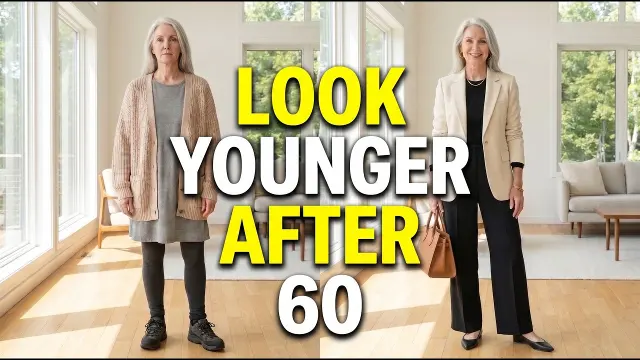 Ten Classy Outfit Formulas for Women Over 60
Get new #Blazers ideas by email
Every Thursday: the week's best ideas, with the newest from #Blazers.
Related tags
Blazers: A Guide to Styles, Fit and Everyday Styling
A blazer is a tailored jacket that stands on its own. It has lapels, a front fastening and usually pockets — often patch pockets rather than the neat welted ones of a suit — and it is cut to be worn with something other than matching trousers. That single detail is the heart of it: a suit jacket belongs to a suit, while a blazer is meant to be paired with whatever you choose, from tailored trousers to worn denim.
Where it comes from
The blazer's history runs through British naval dress and the rowing and club colours of the same tradition, where crews and members wore distinctive jackets in team shades. It moved from there into schools, sports clubs and eventually ordinary wardrobes, and it has stayed because it solves a simple problem: it makes almost anything look considered.
The main kinds
Read more
- Single-breasted, with one, two or three buttons, is the most versatile and the easiest to wear.
- Double-breasted, with two rows of buttons and an overlapping front, reads more formal and more deliberate.
- Structured blazers have canvas and padding in the shoulder and chest; soft or unstructured ones are lighter, unlined and drape more like a cardigan.
- Fabric changes the mood entirely: worsted wool for polish, tweed for texture and warmth, linen and cotton for heat, velvet for evening.
How it should fit
The shoulder is the one thing a tailor cannot easily fix, so start there: the seam should sit at the edge of your shoulder, not beyond it and not inside it. The sleeve should end around the wrist bone so a little cuff shows if you wear a shirt. Fasten a single-breasted jacket on the top button and leave the lower one undone; on a three-button jacket, fasten the middle. A double-breasted blazer stays closed. Everything else — waist, length, sleeve — can be adjusted, which is why a cheap blazer that fits well beats an expensive one that does not.
Wearing it
Over a plain T-shirt with straight-leg jeans and loafers, a navy blazer looks relaxed rather than formal. With matching-scale tailoring it becomes a suit substitute. Thrown over a slip dress or a knit, it turns soft pieces into an outfit. Sleeves pushed up slightly read more casual; leave them down for anything dressier. Navy, charcoal, camel and tweed are the colours that keep working year after year, and they mix easily with whatever you already own.
A few practical habits
Check the lining, the seams and the spare button before you buy, and try the jacket on over the clothes you would actually wear beneath it. Hang it on a broad hanger, brush it after wearing and let it air between outings; dry cleaning should be rare. Buy less, alter well, and one good blazer will carry you through most of the week.
#Blazers: frequently asked questions
How do I choose between a single-breasted and a double-breasted blazer?
Single-breasted is the safer starting point because it closes with one row of buttons and layers easily over shirts, tees and knits. Double-breasted has an overlapping front that reads more formal and deliberate, and it works best when you want a sharper, more structured look. If you only own one, pick the single-breasted cut.
What should I wear under a blazer so it looks casual rather than formal?
Treat the blazer as the only formal element in the outfit: a plain T-shirt with straight-leg jeans and loafers keeps it relaxed, and pushing the sleeves up slightly adds to that. Swapping the denim for matching tailoring turns the same jacket into a suit substitute, so the piece around it sets the tone.
How do I know whether a blazer fits properly?
Start at the shoulder seam, since that is the one thing a tailor can't easily change — it should sit at the edge of your shoulder, not past it or inside it. The sleeve should end near the wrist bone so a little shirt cuff can show, and the waist and length can be adjusted afterwards. A well-fitting inexpensive blazer always beats an expensive one that doesn't fit.
Which fabric should I choose for different weather and occasions?
Worsted wool gives the most polish for everyday wear, while tweed adds texture and warmth in cold weather. Linen and cotton stay comfortable in heat and look deliberately relaxed, and velvet is reserved for evening. Pick the fabric first, because it changes the mood of the jacket more than the colour does.
How should I look after a blazer so it lasts?
Hang it on a broad hanger, brush it after wearing and let it air between outings instead of cleaning it after every use. Dry cleaning should be rare, since it wears the cloth out faster than regular airing does. Before buying, check the lining, seams and spare button, and try it on over the clothes you'd actually wear beneath it.
What mistakes do people usually make when buying or wearing a blazer?
The most common one is chasing a label or a price instead of the fit, when a cheap jacket that sits correctly on the shoulders looks better than a costly one that doesn't. Another is buttoning every button: a single-breasted blazer closes on the top one with the lower left open, and a double-breasted one stays shut. Skipping alterations after purchase is the third — small changes to waist and sleeve make a big difference.
Videos come from YouTube and posts from Instagram; titles and summaries are our own. All rights belong to their creators.