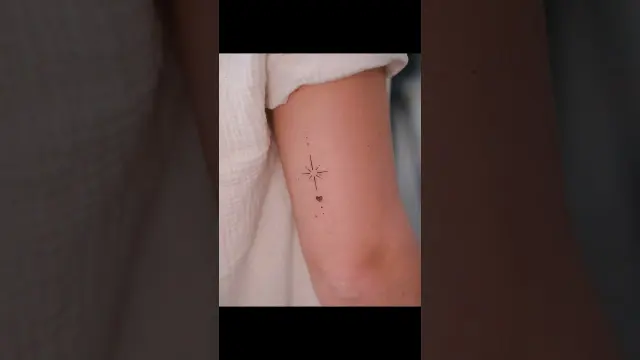
 Aesthetic and Simple Small Tattoo Ideas for Everyday Wear
#Body Art
2 ideas
Aesthetic and Simple Small Tattoo Ideas for Everyday Wear
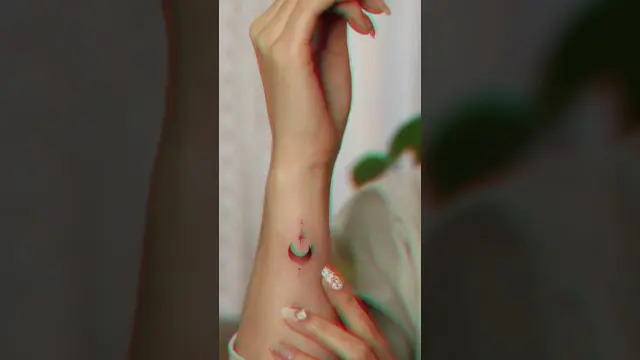 Aesthetic and Simple Small Tattoo Ideas for Everyday Wear
Get new #Body Art ideas by email
Every Thursday: the week's best ideas, with the newest from #Body Art.
Related tags
Body Art: A Beginner's Guide to Tattoos, Piercings and More
Body art is the practice of decorating or reshaping the body for beauty, memory, identity or ritual. It is as old as human culture itself: tattoos have been found on preserved bodies from ancient civilisations across several continents, piercing and scarification appear in the traditions of many peoples, and painting the skin with pigment has accompanied ceremonies and celebrations for thousands of years. What connects these practices is that the body becomes the canvas, and the mark usually means something to the person wearing it.
The main kinds of body art
- Tattoos: permanent pigment placed in the skin, using a machine or, in some traditions, hand-poked techniques.
- Piercings: jewellery worn through the earlobe, cartilage, nose, lip, eyebrow, navel or other soft tissue.
- Henna and mehndi: temporary designs drawn with a plant paste that stains the skin for a few days to a few weeks.
- Body painting: pigment applied to the surface of the skin for festivals, performances or photography.
- Nail art, decorative makeup and hair colouring, which many people count as body art too.
- Scarification, branding and implants, the most permanent and least reversible forms.
Styles and approaches
Read more
Tattoo styles range from bold traditional work with strong outlines to delicate fine-line drawing, blackwork, geometric patterns, realism, script and designs rooted in particular cultural traditions. Placement matters as much as the drawing: an area with curved surfaces or constant movement will read differently from a flat, still one. Henna has its own visual language — floral motifs, paisley, latticework and geometric borders — and body painting ranges from a few strokes of colour to full illusion.
What beginners should know
Think of a permanent piece as a long commitment. Live with the idea for a while, look at healed work rather than fresh photographs, and choose an artist whose style genuinely matches what you want, not simply the closest studio. Ask about hygiene openly: single-use needles, clean equipment, a space that looks and smells properly maintained. Reputable artists welcome the question.
For piercings, a professional who uses sterile jewellery and explains healing will always be a better choice than a quick solution. Follow the aftercare you are given, keep the area clean, and be patient — healing takes time and varies from person to person.
With henna, prefer natural pastes. Products sold as "black henna" are widely considered risky for the skin and are best avoided. If your skin is sensitive or you react easily, ask for a small test patch first.
A final word
Body art is personal. Whether you are planning a small symbol on your wrist or a full sleeve, take your time, ask questions, and let the design mean what it means to you.
#Body Art: frequently asked questions
How do I get started with body art if I have never tried it before?
Start with something temporary and low-commitment, such as henna, body paint or decorative makeup, so you can see how a design feels on your skin and how people react to it. If you are drawn to something permanent, spend time living with the idea and the placement before booking anything. Letting the first step be a small one keeps the experience enjoyable rather than stressful.
What is the difference between permanent and temporary body art?
Temporary forms like henna, body painting and nail art sit on or near the surface and fade on their own, which makes them forgiving and easy to experiment with. Tattoos, piercings, scarification and implants are meant to stay, and some of them are difficult or impossible to reverse. The choice usually comes down to how certain you are about the design and how long you want it to be part of you.
Which kind of body art suits a special occasion?
For a celebration, temporary options are often the better fit: henna for weddings and festivals, body painting for performances or photography, and decorative makeup or nail art for a single evening. They let you match a theme or outfit without a lasting commitment. If the occasion is meaningful enough that you want a permanent reminder, a small symbolic piece can work well too.
What should I check before choosing an artist or studio?
Look at healed work rather than freshly taken photographs, since healed pieces show how the design actually settles. Ask openly about hygiene — fresh needles, clean equipment, a space that is properly maintained — and treat a defensive answer as a warning sign. Above all, pick someone whose style genuinely matches what you want, not simply whoever is closest.
How should I care for new body art?
Follow the aftercare instructions you are given rather than improvising, keep the area clean, and be patient, because healing differs from person to person. With henna, choose natural paste and avoid products sold as black henna, which are widely considered risky for the skin; if your skin is sensitive, ask for a small test patch first. When in doubt about how something is healing, go back to the professional who did the work.
What mistakes do beginners commonly make with body art?
Rushing into a permanent piece, choosing a studio by convenience instead of by the artist's style, and being too shy to ask about hygiene are the usual ones. Another is copying a design without thinking about how it will sit on a curved or moving part of the body, where it can read very differently. Taking your time and asking questions avoids most of these.
Videos come from YouTube and posts from Instagram; titles and summaries are our own. All rights belong to their creators.