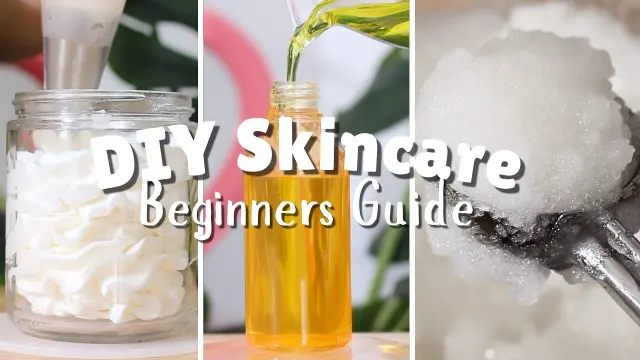
 Beginner Guide to Making Your Own Skincare Products
#Body Butter
1 ideas
Beginner Guide to Making Your Own Skincare Products
Get new #Body Butter ideas by email
Every Thursday: the week's best ideas, with the newest from #Body Butter.
Related tags
Body Butter: A Beginner's Guide to Rich, Whipped Moisturisers
Body butter is a thick, deeply nourishing moisturiser made mostly from plant butters and oils rather than water. Where a lotion or cream is a blend of water, oil and emulsifiers, body butter skips the water almost entirely, which is why it feels solid in the jar and melts the moment it touches warm skin. That simple difference explains both what it is good at and what it is not: it seals in moisture beautifully, but it is too heavy for anyone who wants a product that disappears instantly.
The idea itself is old. People in West Africa, the Mediterranean and the Pacific islands have used shea, olive oil and coconut oil on skin for generations, long before "body butter" became a label on a jar. The modern version grew out of the craft-skincare habit of whipping a single butter with a little liquid oil to make it softer and easier to spread. Whip it long enough and air folds in, the mixture turns pale and fluffy, and a dense block becomes something closer to frosting.
The main kinds
The butter you choose sets the character of the finished product.
Read more
- Shea butter is the classic: creamy, fairly firm, with a mild nutty scent and a high proportion of fatty acids that stay solid at room temperature.
- Cocoa butter is harder and smells distinctly of chocolate, which makes it popular in body butters and balms but can overpower delicate fragrances.
- Mango butter is softer and less scented, useful when you want a lighter feel or a milder base for essential oils.
- Coconut oil, though technically not a butter, is often blended in for slip and a fresh scent.
- Whipped butters are simply any of these aerated with a liquid oil such as sweet almond, jojoba or sunflower.
Making your own
Weigh your ingredients rather than measuring by volume, since butters pack down unevenly. A common starting ratio is roughly two parts solid butter to one part liquid oil; more oil gives a softer balm, more butter gives a firmer one. Melt the butter gently in a heatproof bowl set over simmering water, stir in the oil, then let the mixture cool until it is opaque and slightly set before whipping. If it is too warm it will never hold air; if it is too cold it will seize and look grainy. Whip with a hand or stand mixer until light, then spoon into clean jars.
Keep the process dry and clean: water in a fat-based product invites spoilage. Store jars away from heat, and if you add essential oils, keep the amount low and avoid them entirely for children, during pregnancy or on sensitive skin. Patch-test anything new on a small area first.
Using body butter well
Apply it to slightly damp skin after a shower, when it can trap the water already there. Warm a small amount between your palms before smoothing it on, and give it a minute to sink in. On very hot days or for oily skin, use it on the driest places only: elbows, knees, heels and hands.
#Body Butter: frequently asked questions
What exactly is body butter, and how does it differ from a lotion or cream?
Body butter is a thick moisturiser built almost entirely from plant butters and oils, with little or no water in the mix. A lotion or cream blends water, oil and emulsifiers, which is why those feel light and vanish quickly while body butter stays solid in the jar and melts on contact with warm skin. That same density is what makes it so good at sealing moisture in, and also what makes it too heavy for anyone who wants an instant, weightless finish.
Which butter should I pick for the feel and scent I want?
The butter you choose really sets the character of the finished product: shea is the creamy classic that stays fairly firm, cocoa is harder with a strong chocolate scent that can drown out delicate fragrance, and mango is softer and milder if you want something lighter. Coconut oil is often blended in for slip and a fresh smell even though it isn't strictly a butter. If you want a fluffier texture, whip whichever butter you choose with a light liquid oil such as sweet almond, jojoba or sunflower.
What do I need to start making body butter at home?
You need a solid butter, a liquid oil, a heatproof bowl set over simmering water for gentle melting, and a hand or stand mixer for whipping, plus clean jars to store it in. Weigh your ingredients rather than measuring by volume, because butters pack down unevenly and cup measures will throw the texture off. A blend weighted toward the solid butter gives a firmer balm, while more liquid oil softens it toward something spreadable.
How do I whip body butter without it turning grainy or collapsing?
The usual culprit is temperature: if the melted mixture is still too warm it will never hold air, and if it gets too cold it seizes and looks grainy. Let it cool until it is opaque and just slightly set, then whip until it turns pale and fluffy. Spoon it into clean jars right away and keep water out of the whole process, since water in a fat-based product invites spoilage.
How should I store and use body butter so it works best?
Keep jars away from heat and always use clean, dry hands or a spoon to take some out. Apply it to slightly damp skin after a shower, warming a small amount between your palms first so it spreads easily, then give it a moment to sink in. On hot days or for oilier skin, save it for the driest spots such as elbows, knees, heels and hands.
What common mistakes should I avoid with body butter?
Adding water, or dipping wet fingers into the jar, is the mistake that spoils a batch fastest, and overheating the butter during melting can leave it grainy once it sets. If you scent it with essential oils, keep the amount low and skip them altogether for children, during pregnancy or on sensitive skin. Always patch-test anything new on a small area before using it all over.
Videos come from YouTube and posts from Instagram; titles and summaries are our own. All rights belong to their creators.