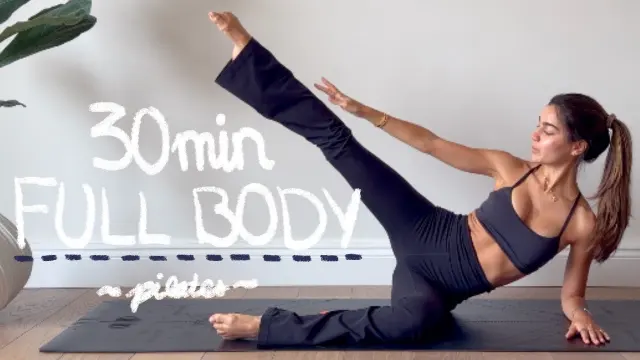
 30 Minute Pilates Workout for an Hourglass Shape, No Equipment
#Body Sculpting
1 ideas
30 Minute Pilates Workout for an Hourglass Shape, No Equipment
Get new #Body Sculpting ideas by email
Every Thursday: the week's best ideas, with the newest from #Body Sculpting.
Related tags
Body Sculpting: A Beginner's Guide to Training for Shape
Body sculpting is the practice of training deliberately to change the shape of your body rather than simply to lose weight or get fitter in a general sense. The aim is usually a balance of qualities: muscle in some places, leanness overall, better posture, and a silhouette that looks strong and proportionate. The word comes from sculpture, and the comparison is intentional — the idea is that muscle, like clay, can be built up in specific areas through repeated, targeted work.
Where it comes from
The approach borrows from several traditions. Bodybuilding and gymnastics contributed the principles of resistance and progressive overload. Dance training and Pilates contributed the emphasis on alignment, control and the deep muscles of the core. Physiotherapy and rehabilitation contributed the attention to posture and joint health. What these have in common is the belief that the body adapts to the demands placed on it, and that those demands can be chosen.
How shaping actually works
Read more
Muscle grows in response to load, so the areas you train are the areas that develop. Fat, by contrast, is lost from the body as a whole rather than from a chosen spot — no exercise removes fat from one specific place. This is why sculpting programmes combine resistance work with general activity and eating habits that support a healthy body composition. Patience matters: visible change is a matter of months of consistent practice, not weeks.
Main approaches
- Resistance training with weights, bands or machines, built around a handful of compound movements and some isolation work for smaller muscles.
- Pilates, barre and mat work, which emphasise control, breathing, and the stabilising muscles around the core, hips and shoulders.
- Calisthenics and bodyweight training, using variations in leverage and tempo instead of added load.
- Mobility and flexibility work, which improves posture and range of motion and lets trained muscle show properly.
- General cardiovascular activity, which supports overall conditioning and recovery.
What beginners should know
Start with form and range of motion rather than resistance. Learn a small number of movements well, then add load or repetitions gradually over time. Train each major muscle group across the week and leave rest days, because muscle is rebuilt during recovery, not during the session itself. Sleep and adequate protein matter as much as the workouts. Expect some soreness at first and distinguish it from pain — sharp or joint pain is a signal to stop. If you are pregnant, recovering from injury or managing a health condition, get advice from a qualified professional before starting.
Practical tips
- Film or mirror-check your technique occasionally; small corrections early save a lot of trouble later.
- Keep a simple record of what you lifted and how it felt, so progress is visible.
- Change one variable at a time — more weight, more repetitions, slower tempo — rather than everything at once.
- Warm up briefly and cool down; a few minutes is enough.
- Choose movement you genuinely enjoy, since consistency is the whole game.
Note that the phrase is also used by clinics for non-surgical cosmetic treatments. That is a separate field with its own risks, and it belongs in the hands of a qualified medical professional rather than a fitness routine.
#Body Sculpting: frequently asked questions
What is body sculpting, and how is it different from just trying to lose weight?
It is training with a particular shape in mind — building muscle in chosen areas, improving posture and overall leanness — rather than chasing a lower number on the scale. Because muscle develops only where you place load, the programme is designed around the silhouette you want instead of around burning calories in general.
How should a complete beginner start body sculpting?
Begin with a small number of basic movements and learn their form and full range of motion before adding any resistance at all. Train the major muscle groups across the week, leave proper rest days, and increase load or repetitions only gradually as the movements start to feel controlled.
Which approach is best — weights, Pilates, or bodyweight training?
They all work through the same principle that the body adapts to the demands you choose, so the more useful question is which one you will genuinely keep doing. Resistance training suits people who like measurable progress, Pilates and barre stress control and the deep core muscles, and bodyweight work uses leverage and tempo instead of added load — plenty of people combine two of them.
Can I slim one specific area by training it more?
No — muscle grows where you load it, but fat is lost from the body as a whole rather than from the spot you happen to be working. That is why sculpting routines pair resistance work with general activity and eating habits that support a healthy body composition.
What should I do between sessions, and which mistakes are most common?
Muscle is rebuilt during recovery, so rest days, sleep and adequate protein are part of the training rather than a pause from it. The usual mistakes are chasing heavier resistance before form is solid, changing several variables at once instead of one at a time, and pushing through sharp joint pain when the sensible response is to stop.
Is the body sculpting offered by clinics the same thing?
No — the same phrase is also used for non-surgical cosmetic treatments, which are a separate field with their own risks and belong in the hands of a qualified medical professional. A fitness routine is not a substitute for that kind of advice.
Videos come from YouTube and posts from Instagram; titles and summaries are our own. All rights belong to their creators.