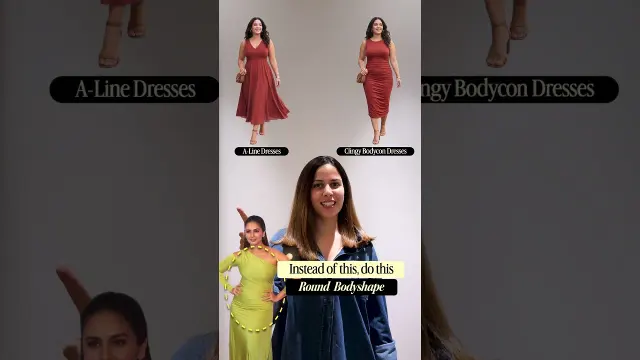
 Round body shape styling tips and silhouette guide
#Body Shape
2 ideas
Round body shape styling tips and silhouette guide
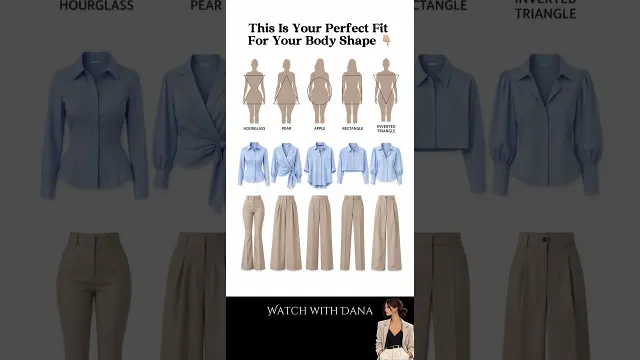 Best shirts and pants for your body shape styling guide
Get new #Body Shape ideas by email
Every Thursday: the week's best ideas, with the newest from #Body Shape.
Related tags
Body Shape: A Guide to Dressing for Your Silhouette
Body shape is a way of describing the outline of a person's figure — where the width sits at the shoulders, bust, waist and hips, and how those points relate to one another. It is a styling language, not a measurement of health or beauty. Two people can share the same shape and look completely different in height, scale and proportion, which is why the categories are a starting point rather than a set of rules.
Where the idea comes from
Dressmakers and tailors have always worked from the body in front of them, adjusting patterns to balance width and length. The modern habit of sorting figures into named shapes grew out of that practical tradition and out of mid-century fashion writing, which needed a shorthand for explaining why the same dress flatters one person and overwhelms another. The names are descriptive metaphors — letters and fruits — chosen because they are easy to picture, not because they are scientific.
The common shapes
Read more
Most systems describe four or five outlines. In an hourglass, shoulders and hips are roughly balanced with a defined waist. In a pear or triangle, the hips are the widest point. In an inverted triangle, the shoulders or bust are broader than the hips. In a rectangle, shoulders, waist and hips fall in a relatively straight line. In an apple or oval, weight gathers around the middle and the waist is less defined. Many people sit between two categories, and shape can shift over a lifetime with age, pregnancy, illness or training — all of it normal.
How proportion actually works
Styling for shape is mostly about directing the eye. You can create waist definition with seams, belts, wraps and tucks, or leave the waist free for a straighter line. You can balance a wider shoulder with a fuller skirt, or balance wider hips with detail above the waist. You can lengthen a short torso with a higher waistline or a vertical line down the front, and shorten a long one with a dropped waist or a colour break. None of these is a correction; each is a choice about where attention lands.
Fit, fabric and the practical part
Fit matters more than category. A garment that pulls across the bust, gapes at the back or strains at the hip will never sit well, whatever shape it was designed for. Look for fabric with some give or a bit of weight so it skims rather than clings, and check how a piece behaves when you sit, walk and raise your arms. Take your measurements once, write them down, and compare them with size charts rather than trusting the label.
Starting out
Begin with what you already own. Try on a few pieces and note where your eye goes first, then decide whether you want to repeat that or move it. Build a small set of shapes that work — a neckline, a trouser cut, a dress silhouette — and repeat them in different fabrics. Shop with a clear idea, not a mood. And treat any guide, including this one, as advice to test rather than a verdict: the best-dressed version of you is the one you feel at ease in.
#Body Shape: frequently asked questions
How do I figure out my body shape without overthinking it?
Stand in front of a mirror in fitted clothing and look at where your width sits — shoulders and bust, waist, hips — and how those points line up with each other. Write down what you see rather than measuring against a chart, since the labels are just shorthand for a silhouette. If you land between two categories, that's the usual case, and you can borrow tips from both.
Do I need a whole new wardrobe once I know my shape?
No — start with what you already own. Pull out the pieces you reach for most, notice where your eye lands first when you wear them, and decide whether you want to repeat that effect or shift it. From there you only need a few reliable shapes, like a neckline or a trouser cut, that you can repeat in different fabrics.
Which shape category should I choose if I don't fit any of them neatly?
Pick the one that describes where your width is most noticeable, and treat it as a starting point rather than a rule. Shape also shifts over time with age, pregnancy, illness or training, so a category you claimed a few years ago may no longer describe you. The useful question isn't which label fits but which styling choices you actually enjoy wearing.
What matters more than body shape when I'm buying clothes?
Fit matters more than category. A garment that pulls across the bust, gapes at the back or strains at the hip will sit badly no matter which shape it was designed for, so check how a piece behaves when you sit, walk and raise your arms. Fabric with a little give or weight tends to skim rather than cling, which flatters far more reliably than a label.
What are the most common mistakes people make when styling for shape?
The biggest one is treating a guide as a set of prohibitions instead of a set of options — avoiding a whole category of clothes because a chart said so. Another is shopping by mood rather than by a clear idea of what you need, which usually ends in pieces that don't work with anything else. And it's easy to trust the size on the label instead of comparing your own measurements with the size chart.
How do I adapt body shape styling for a specific occasion?
Decide first where you want attention to land — the waist, the shoulders, a vertical line down the front — and build the outfit around that single choice. Then let the occasion set the formality and the fabric, since a shape that works in a knit won't behave the same way in something stiff. Try the full outfit on seated and moving before the day itself, not just standing in front of the mirror.
Videos come from YouTube and posts from Instagram; titles and summaries are our own. All rights belong to their creators.