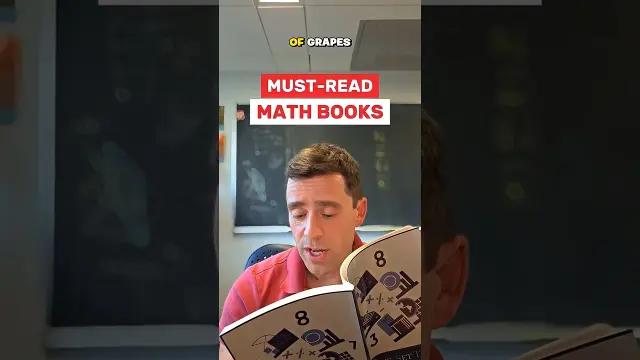
 Naive Set Theory by Paul Halmos: A Short Book Recommendation
#Book Recommendation
1 ideas
Naive Set Theory by Paul Halmos: A Short Book Recommendation
Get new #Book Recommendation ideas by email
Every Thursday: the week's best ideas, with the newest from #Book Recommendation.
Related tags
How to Recommend a Book Well
Recommending a book is one of the small, generous acts of reading life. Someone mentions what they have loved lately, and you think of a title that might land in the same place. Done well, it hands a reader the next few evenings of their life. Done carelessly, it produces a polite thank-you and a book that sits unopened on a shelf.
What a recommendation actually is
A book recommendation is not a review and not a ranking. A review assesses a book on its own terms; a recommendation answers a narrower question: would this particular person, with these particular tastes, enjoy this particular book, and why? That distinction matters. The best-loved books in the world are poor recommendations for many readers, and a modest, unglamorous title can be exactly right for one person.
Know the reader before the book
Read more
The most useful thing you can do is listen to what they have already enjoyed and, more revealingly, what they disliked and why. A reader who abandoned a long family saga because it felt slow is telling you something about pace, not about families. Ask what they want from reading at the moment: escape, comfort, a puzzle, an argument, a voice unlike their own. Reading appetites change with circumstances, and the right book in January can be the wrong one in June.
Match on the qualities, not the label
Genre labels are crude instruments. Two crime novels may share nothing but a body. Try to name the qualities you actually responded to: the humour, the spare prose, the way the plot unfolded, the tenderness toward difficult characters, the sense of place. Then say so. "You liked how that one was funny without being cruel" is a far better bridge than "it's literary fiction".
Be honest about difficulty
Warn people about length, slow openings, difficult language, uncomfortable material. A recommendation that oversells sets a reader up to feel they have failed. If a book takes fifty pages to find its footing, say that; many readers will happily persist when they have been told to expect it.
Give the shape, not the plot
A good description lasts two or three sentences: the situation, the central tension, something about the texture of the writing. Avoid revealing twists, and avoid summarising the ending to prove the book is worth it. Leave the discovery to them.
A few practical habits
- Recommend one book, not five. A short list invites nothing; a single title invites a decision.
- Say why you thought of them specifically, rather than what the book is about in general.
- Offer an exit: "If it isn't working by the second chapter, put it down" is a kindness, not an insult.
- Lend books you are willing to lose, and accept that a recommendation is a gift, not an obligation on the other person.
- Ask afterwards what they thought. The reply teaches you how to recommend better next time.
The whole practice rests on attention: to the book, to the reader, and to the gap between them. Get those three aligned and the suggestion barely needs selling.
#Book Recommendation: frequently asked questions
How do I start recommending a book to someone?
Start by asking what they have read lately and, more importantly, what they gave up on and why. That tells you about pace, tone and mood far more than a genre label does, and it lets you pick a single title rather than a list. Then explain why that book made you think of them in particular, not just what it is about.
Should I recommend one book or several?
One title works better than a stack, because a short list quietly hands the decision back to the other person. A single suggestion reads as a real opinion and is easy to act on. If you want to soften it, pair it with permission to stop early instead of extra options.
What kind of book should I choose for someone whose tastes I only partly know?
Match on qualities rather than categories: the humour, the spare writing, the sense of place, the way the story unfolds. Two books can sit on the same shelf and share almost nothing. Naming the quality you responded to gives the reader something concrete to recognise, even if they have never tried that kind of book.
How much of the story should I describe?
Keep it to the situation, the central tension and a hint of the writing's texture. Twists and endings are the reader's to discover, and summarising them to prove the book is good removes the reason to open it. A couple of sentences is usually enough to make the invitation clear.
What are common mistakes when recommending a book?
Overselling is the big one, because it sets the reader up to feel they have failed when a slow opening or difficult style arrives. Leaving out length, dense language or uncomfortable material does the same damage. Another common slip is recommending your favourite book rather than the book that suits this person right now.
How do I handle a book that takes a while to get going?
Say so plainly and give a sense of what to expect, so the reader can decide whether to persist. Offering an easy exit, such as suggesting they set it aside if it is not working after a chapter or so, turns the suggestion into a kindness rather than an assignment. Readers are far more willing to keep going when the difficulty was predicted.
Videos come from YouTube and posts from Instagram; titles and summaries are our own. All rights belong to their creators.