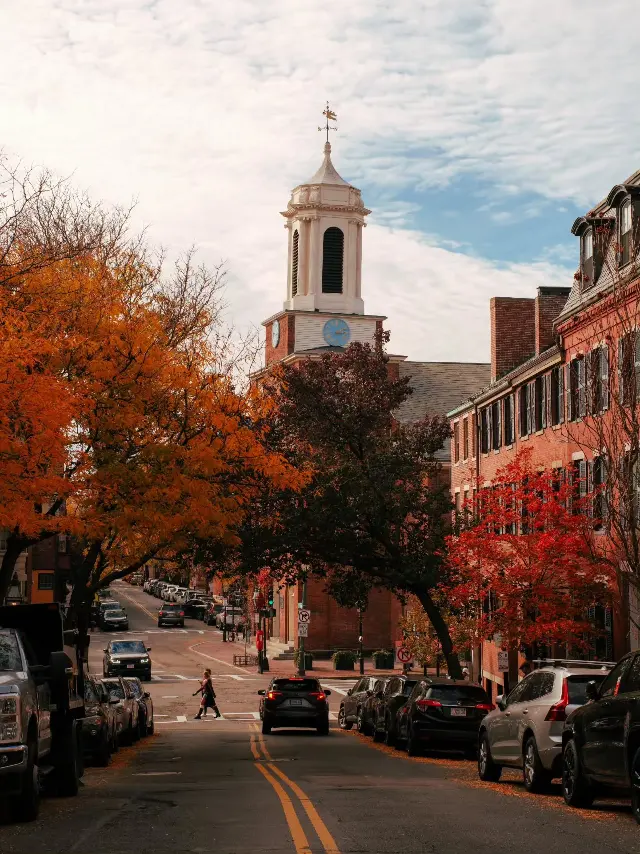
 Boston Through Its Architecture, Parks and Neighborhoods
#Boston
1 ideas
Boston Through Its Architecture, Parks and Neighborhoods
Get new #Boston ideas by email
Every Thursday: the week's best ideas, with the newest from #Boston.
Related tags
Boston: A City of Brick, Water and Old Streets
Boston is one of the oldest cities in what is now the United States, and it carries that age lightly. It sits on a harbour in Massachusetts, at the mouth of the Charles River, and the sea is never far from the conversation. In places the street plan still follows the lanes of a colonial town, which is why the roads bend and fork instead of forming a tidy grid. That irregularity is the city's charm and also the reason a map is worth keeping in your pocket.
A city you can walk
The historic core is compact. A red line painted on the pavement — the Freedom Trail — leads you past meeting houses, old burying grounds, churches and a wooden warship, connecting downtown to the North End and across to Charlestown. You do not have to follow the whole thing; treating it as a loose thread that pulls you through the oldest parts of town works just as well. Boston Common and the Public Garden sit at the centre, giving you a slow green pause between the brick and the traffic.
The shape of the neighbourhoods
Read more
Each district has a clear personality. Beacon Hill is gas lamps, narrow brick houses and steep little streets. Back Bay grew on filled land and is laid out in a grid of Victorian brownstone terraces, with the river and its long esplanade at the edge. The North End is Italian-American, dense and full of bakeries and small restaurants. Across the Charles, Cambridge is a separate city in its own right, home to two famous universities and a quieter, bookish mood. Fenway and Kenmore cluster around a very old ballpark, and the Seaport, once working docks, is now glassy and modern.
What to eat
You will eat well without trying hard. New England clam chowder is thick, creamy and everywhere, and the lobster roll comes in two schools: dressed with mayonnaise, or simply warmed butter. Oysters from local waters are a point of pride. The city's older culinary traditions run to baked beans, brown bread and a strong Irish pub culture. In the North End, finish with a pastry and a coffee standing at the counter.
Getting around
Public transport is run by the MBTA, known to everyone as the T, and covers subway, buses, ferries and commuter trains. For short hops, walking is almost always faster and far more interesting. The streets are old and parking is scarce, so many visitors leave the car behind entirely. Wear shoes you can walk in; the brick sidewalks are uneven and polished smooth in places.
Weather and timing
Summers are warm and humid, winters genuinely cold with snow, and autumn is the season people plan trips around. Spring arrives late and suddenly. Bring a layer whichever month you visit, and expect weather to change its mind within a day.
Finally, a few small things. Let passengers off the train before you step on. Do not stop in the middle of a busy pavement to check your phone. Locals cross against the lights more than they should. And if someone gives you directions that involve a landmark rather than a street name, that is simply how it is done here — follow along and you will find your way.
#Boston: frequently asked questions
How should a first-time visitor start exploring Boston?
Begin in the historic core, which is compact enough to cover on foot, and use the painted trail line on the pavement as a loose guide rather than a route you must finish. Let it pull you through the oldest streets toward the waterfront and the North End, pausing at the central green spaces when you want a break from brick and traffic. Keep a map handy, because the colonial-era lanes bend and fork instead of running in a tidy grid.
Do I need a car to get around Boston?
Most visitors are happier without one. The streets are old, parking is scarce, and the public transport network of trains, buses, ferries and commuter rail covers the city well, while short trips on foot are usually faster and far more interesting. Bring comfortable shoes, since brick sidewalks are uneven and worn smooth in places.
Which part of the city should I choose as a base?
It depends on the mood you want: narrow brick lanes and gas lamps in one district, Victorian terraces laid out on a grid near the river in another, or a dense Italian-American quarter full of bakeries and small restaurants. The area around the old ballpark suits sports fans, and the former docks are now glassy and modern. Wherever you stay, the historic centre is close enough that you can walk to most of it.
When is the best time of year to visit Boston?
Autumn is the season most people plan their trips around, with crisp air and the river esplanade at its best. Summers are warm and humid, winters genuinely cold with snow, and spring arrives late and then suddenly. Whatever month you come, bring a layer, because the weather can change its mind within a day.
What should I make sure to eat while I'm there?
Start with the thick, creamy clam chowder that appears on almost every menu, and try a lobster roll in either style — dressed with mayonnaise or simply warmed butter. Local oysters are a point of pride, and the older culinary traditions run to baked beans, brown bread and a strong pub culture. In the North End, finish with a pastry and a coffee taken standing at the counter.
What are the common mistakes visitors make in Boston?
Stopping dead in the middle of a busy pavement to check a phone is the quickest way to annoy locals, and so is pushing onto a train before passengers have stepped off. Relying on a car for short hops wastes time you could spend walking. And if someone gives you directions using a landmark instead of a street name, don't fight it — that is simply how it is done here, and following along will get you there.
Videos come from YouTube and posts from Instagram; titles and summaries are our own. All rights belong to their creators.