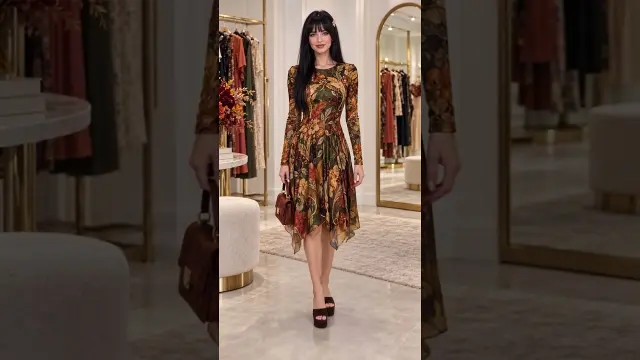
 Luxury Autumn Floral Dress Boutique Fashion Inspiration
#Boutique Fashion
1 ideas
Luxury Autumn Floral Dress Boutique Fashion Inspiration
Get new #Boutique Fashion ideas by email
Every Thursday: the week's best ideas, with the newest from #Boutique Fashion.
Related tags
Boutique Fashion: A Guide to Independent Style
Boutique fashion describes clothing and accessories sold through small, independent shops rather than large chain stores or department stores. The word "boutique" comes from French, where it originally referred to a small shop, and it has kept that sense of intimacy: a limited space, a carefully chosen selection, and often a person behind the counter who knows the stock well.
What Sets a Boutique Apart
The defining feature is curation. Where a chain might stock hundreds of variations of the same item, a boutique buys in small quantities and selects each piece deliberately. This usually means narrower ranges, fewer sizes, and a stronger point of view. Many boutiques specialise — in linen and natural fibres, in occasion wear, in slow-made knitwear, in accessories from regional makers — and that focus is what gives them character.
Boutiques also tend to work closer to their suppliers. Some carry locally made goods, some work with small ateliers abroad, and some mix established labels with emerging designers. The result is a shop where the selection reflects a person's taste rather than an algorithm's.
Read more
The Main Kinds
- Multi-brand boutiques, which gather several independent labels under one roof.
- Designer boutiques, tied to a single label and showing its full range.
- Vintage and resale boutiques, focused on pieces from earlier decades.
- Concept stores, which mix clothing with homeware, books, or beauty.
- Online boutiques, which apply the same small-scale curation without a physical shopfront.
What Beginners Should Know
Sizing is the first surprise. Small labels often run differently from mass-market brands, and a boutique may stock only a few units per size, so trying things on — or checking measurements carefully before ordering online — matters more than usual. Ask about the fabric and where the piece was made; good boutiques are usually happy to tell you.
Prices tend to be higher per item, and the honest reason is volume: small production runs cost more per unit than mass production. The trade-off is often in construction, fabric quality, and how long a piece stays wearable.
Practical Tips
Shop with a purpose rather than browsing aimlessly. Bring a mental list of what you actually need and how it fits with what you already own. Try garments in person when you can, and pay attention to seams, lining, and how the fabric moves rather than to the label alone. If you are buying online, check the return policy before you commit.
Build a relationship with a shop you like. Staff at a good boutique learn your size and preferences over time and will often set things aside or tell you honestly when something does not suit you. Ask how to care for a piece — washing instructions matter enormously for natural fibres, and a little attention keeps clothes in use for years.
Finally, treat boutique shopping as a slower habit. Buying one well-made item you wear constantly is usually a better use of money than several purchases that stay in the wardrobe.
#Boutique Fashion: frequently asked questions
What actually makes a shop a boutique rather than just a small store?
The defining quality is curation: instead of stocking many variations of the same item, a boutique buys in small quantities and chooses each piece on purpose, so the range is narrow but deliberate. That focus usually comes with a specialist angle — natural fibres, occasion wear, knitwear, regional accessories — which gives the shop a clear personality. Staff who know the stock well and work closely with their suppliers are part of the same picture.
How do I decide which kind of boutique suits what I'm looking for?
Start from the occasion and the gap in your wardrobe rather than from the shop type. A multi-brand boutique is best when you want to compare several independent labels, a single-label designer shop when you already trust that label's fit, and vintage or resale when you want something with history. Concept stores blur clothing with homeware and beauty, so they work better for browsing than for a specific need, and online boutiques suit people who are confident about their measurements.
Why does boutique clothing cost more, and is the extra justified?
Small production runs simply cost more per garment than mass production, so the higher price reflects volume rather than markup alone. What you are usually paying for is construction, fabric quality, and a piece that stays wearable across many seasons. Whether that is worth it depends on how often you will wear the item — a garment you reach for constantly earns its place far better than several that sit unworn.
How should I look after clothes bought from a boutique?
Always ask about fabric and care before you buy, because natural fibres like linen and wool behave very differently from synthetics. Follow the care label closely, wash sparingly, and store pieces in a way that lets the fabric breathe. Small attentions — re-sewing a loose seam early, airing rather than over-washing — are what keep well-made clothes in use for years.
What do first-time boutique shoppers most often get wrong?
The usual slip is assuming sizing works the way it does in chain stores; small labels cut differently and stock very few units per size, so trying things on or checking measurements carefully online matters more than usual. Another common mistake is browsing without a plan, which leads to buying pieces that duplicate what is already in the wardrobe. Go in knowing what you need and how it will combine with what you own, inspect seams and lining rather than the label, and confirm the return policy before ordering online.
Is it worth building a relationship with a particular boutique?
Yes, because the value of a small shop is the person behind the counter. Regulars get honest opinions about what suits them, early word on new stock, and pieces set aside in their size. That kind of guidance is hard to find in a large store and is often the real reason boutique shopping feels different.
Videos come from YouTube and posts from Instagram; titles and summaries are our own. All rights belong to their creators.