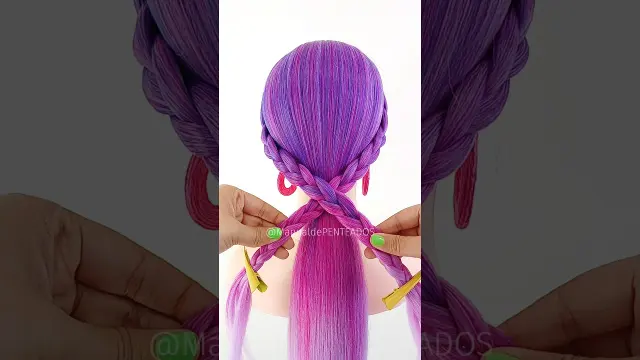
 Easy and cute braided hairstyle tutorial for girls
#Braids
11 ideas
Easy and cute braided hairstyle tutorial for girls
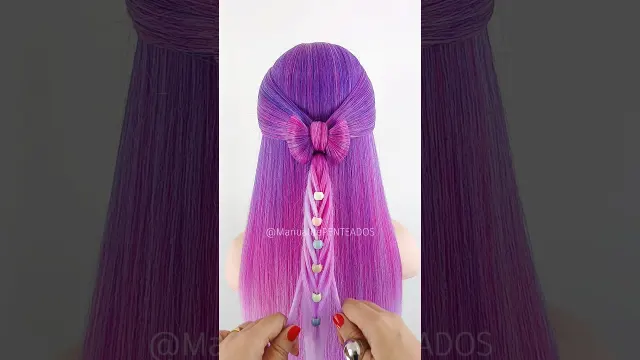 Easy and cute braided hairstyle tutorial for girls
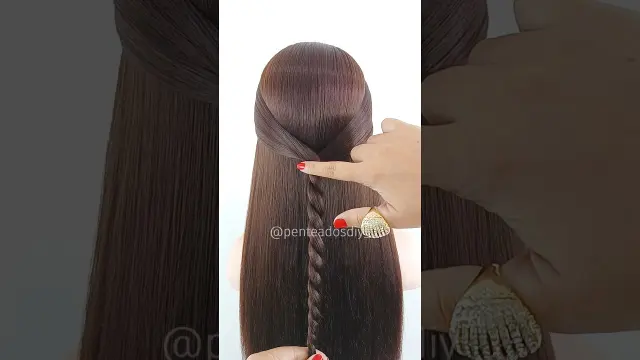 Easy and elegant braided hairstyle look
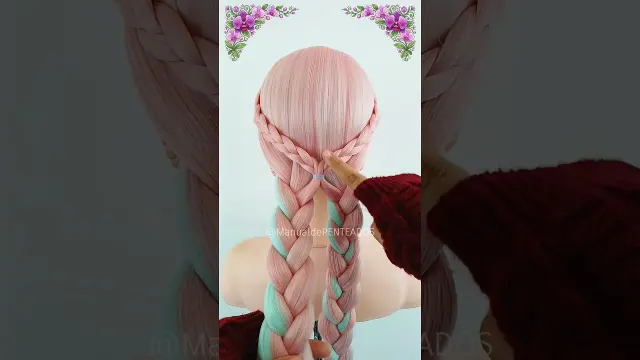 Easy and cute braided hairstyle tutorial for girls
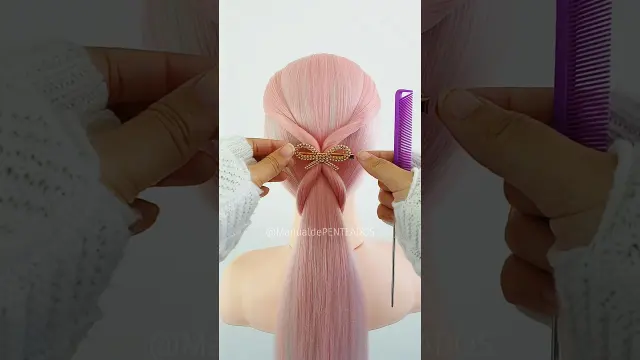 Easy and cute braided hairstyle tutorial for girls
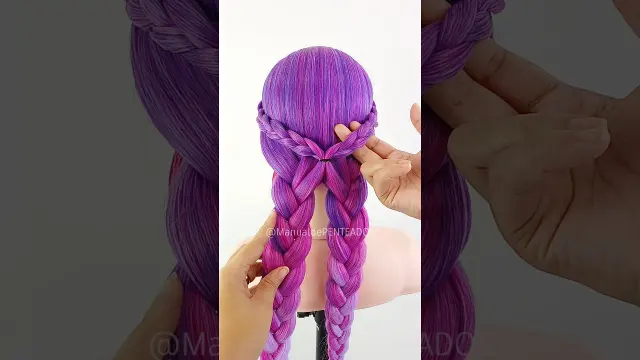 Easy and cute braided hairstyle tutorial for girls
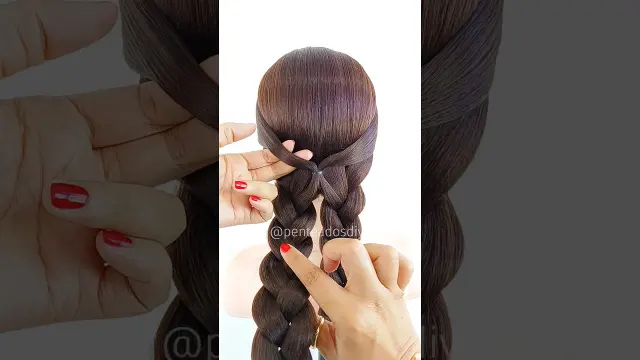 Easy and elegant braided hairstyle look
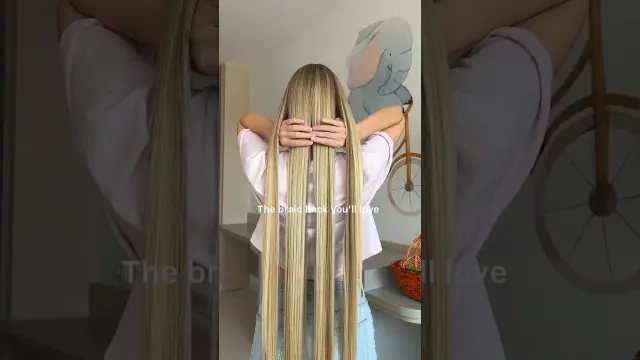 Simple and easy braided hairstyles for long hair
Get new #Braids ideas by email
Every Thursday: the week's best ideas, with the newest from #Braids.
Related tags
Braids: A Guide to Timeless Hairstyles
Braids are one of the oldest and most versatile ways to style hair. At their simplest, they are made by weaving three or more sections together in a pattern. Braiding has been used in many cultures for centuries, both as a practical way to keep hair secure and as a form of personal and cultural expression. Today, braids remain popular because they can be simple or intricate, polished or relaxed, and adapted to many hair lengths and textures.
Why braids are so useful
Braids help keep hair controlled, reduce tangling, and create styles that can last longer than loose hair. They can work for everyday wear, special occasions, or protective styling, depending on how they are done and how your hair is cared for. A braid can be as small as a single plait or as detailed as a full pattern across the scalp.
Common braid styles
Read more
There are many braid styles, but a few are especially well known:
- Three-strand braid: the classic braid most people learn first
- French braid: hair is gradually added as the braid moves down the head
- Dutch braid: similar to a French braid, but the sections are crossed under for a raised effect
- Fishtail braid: made from two sections, with a fine, woven look
- Box braids and knotless braids: separate sections of hair are braided from the scalp or attached more gradually, often for longer wear
- Twist braids and rope twists: hair is divided into sections and twisted rather than woven
What beginners should know
If you are new to braiding, start with clean, detangled hair. A little leave-in conditioner or styling cream can make the hair easier to handle, but too much product may make it slippery. Use a mirror and work in good light so you can keep your parts neat. At first, it helps to practice on the side or back sections that are easiest to reach.
Braids usually look best when the tension is even. Pulling too tightly can make the style uncomfortable and may stress the hairline. A braid should feel secure, not painful.
Practical tips for better braids
- Detangle carefully before you begin
- Section the hair clearly for a tidy result
- Keep your hands close to the braid to maintain tension
- Smooth flyaways with a little water or light styling product if needed
- Secure the ends gently so the braid stays in place
- For longer styles, wrap the hair at night to help preserve the shape
Choosing the right braid
The best braid depends on your hair type, length, and the look you want. Loose, simple braids are good for quick styling, while more structured braids can create a dressed-up finish. Braids also work well with accessories such as ribbons, clips, or beads, though they are beautiful on their own too.
With a little practice, braiding becomes easier and more creative. Once you learn the basic technique, you can mix patterns, change the size of the sections, and make each style your own.
Videos come from YouTube and posts from Instagram; titles and summaries are our own. All rights belong to their creators.