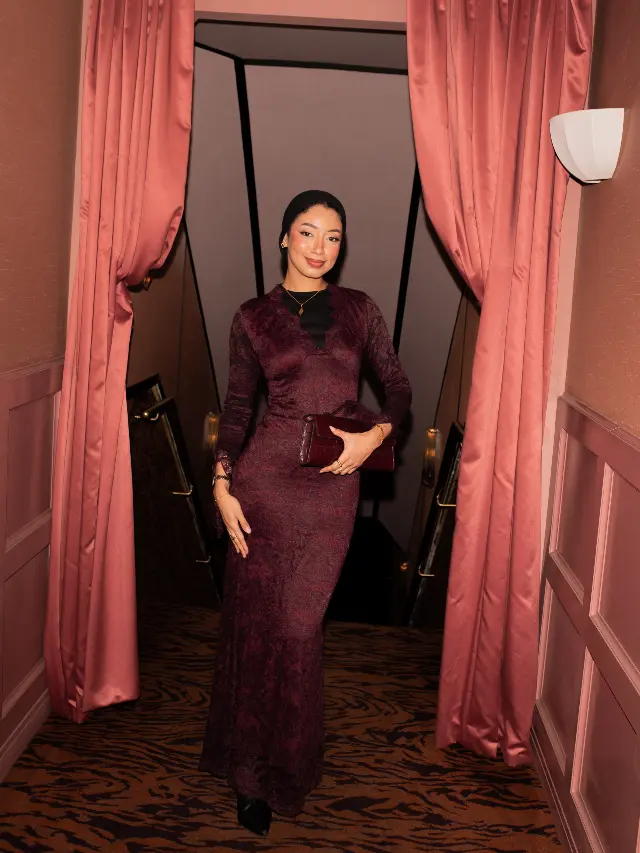
 An evening at a Korean skincare brand's London launch
#Brand Launch
1 ideas
An evening at a Korean skincare brand's London launch
Get new #Brand Launch ideas by email
Every Thursday: the week's best ideas, with the newest from #Brand Launch.
Related tags
Brand Launch: How to Plan a Launch That People Remember
A brand launch is the moment a company, product or service first meets the people it was made for. It can be the arrival of something entirely new, or the reinvention of something familiar under a fresh name and identity. Either way, the launch is less about a single evening and more about the story that begins there: what you promise, how you look, and whether people come away curious enough to follow along.
Where the idea comes from
Launches have their roots in the way businesses have always announced themselves — a shop opening, a first print advertisement, a press breakfast with the founder. Over time the ritual grew into what we recognise now: a curated event, a coordinated run of images and words, and a crowd of people invited to witness it. What has changed is the audience. A launch no longer happens once, in one room. It happens in person and online at the same time, and it keeps unfolding as guests and viewers share what they saw.
The main kinds of launch
Read more
- The intimate presentation: a small gathering of press, partners and friends, with a short speech and time to handle the pieces or taste the food.
- The open-to-the-public moment: a pop-up, a shop debut, a stall at a market, where anyone can walk in.
- The purely digital reveal: images, film and words released together, with no physical event at all.
- The slow launch: weeks of small signals leading up to one clear crescendo, rather than a single date.
Most launches borrow from more than one of these. A quiet dinner for a few people can sit alongside a broad public reveal, each serving a different purpose.
What the evening is really for
A launch exists to create the first impression and to give people something to carry away — a feeling, a photograph, a conversation, a reason to return. Everything on the night should support that. The setting, the styling, the lighting, the way guests are welcomed: these are all part of the same message. When the details disagree with each other, the room feels unsure of itself, and so does the brand.
Practical tips if you are planning one
Start with the one sentence you want people to repeat afterwards. If you cannot say it plainly, the launch is not ready yet.
Choose the format to suit the number of people you actually want in the room, not the number you wish you could invite. A smaller gathering that feels generous is usually stronger than a crowded one that feels rushed.
Plan the images before you plan the décor. Guests will photograph what is in front of them, so make sure what is in front of them is worth seeing.
Build in a moment of calm. Guests need somewhere to talk, breathe and look without being moved along.
Finally, prepare for everything that happens the next morning: how you will thank people, how you will answer messages, and what the brand looks like once the decorations have gone. The launch is the opening line, not the whole story — and a good one simply makes people want to read on.
#Brand Launch: frequently asked questions
How do I start planning a brand launch?
Begin by writing down the single sentence you want guests to repeat afterwards; if it won't come out plainly, the concept isn't settled yet. Let that sentence guide the format, the setting and the styling, so every detail says the same thing. Only then move on to invitations, imagery and décor.
What do I actually need before the launch happens?
You need a clear promise, a visual identity, and a plan for the images people will see and share. Decide who you want in the room, how they will be welcomed, and what they will be able to touch, taste or take away. It also helps to prepare for the following morning, so thank-yous and replies are handled confidently.
Which kind of launch should I choose?
It depends on how many people you genuinely want present and what you want them to feel. An intimate presentation suits close press, partners and friends, a pop-up or shop debut invites the public in, and a digital reveal reaches everyone without a room at all. Many launches mix formats, pairing a small private moment with a wider public one.
How do I make a launch feel cared for rather than crowded?
Match the format to the number of guests you can host generously, not the number you wish you could invite. A smaller gathering with room to talk and breathe usually leaves a stronger impression than a packed one that rushes people along. Build in quieter corners so guests can linger, look and have real conversations.
What ideas work well for a launch setting and styling?
Plan the photographs before you plan the décor, because guests will capture whatever is in front of them. Let the lighting, the welcome and the way pieces or food are displayed carry the same message, so the room never feels unsure of itself. A slow build of small signals in the lead-up can work just as well as one big reveal.
What are the common mistakes at a brand launch?
The most frequent one is inviting more people than the space or the team can look after properly. Another is letting the details disagree, so the styling says one thing while the setting or the welcome says another. Forgetting the day after — replying to messages, thanking guests, and showing what the brand looks like once the decorations are gone — also wastes much of the goodwill the launch created.
Videos come from YouTube and posts from Instagram; titles and summaries are our own. All rights belong to their creators.