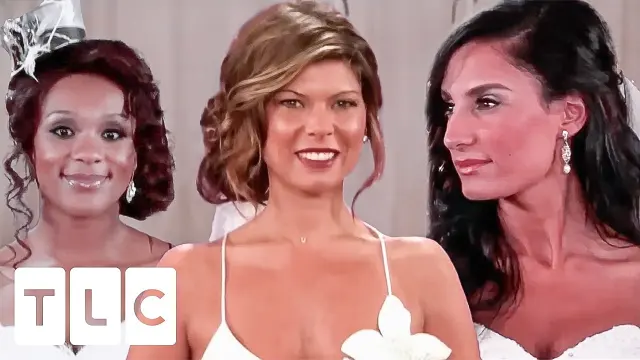
 Randy Fenoli Handles Unusual Bridal Requests and Dress Reveals
#Bridal Consultant
2 ideas
Randy Fenoli Handles Unusual Bridal Requests and Dress Reveals
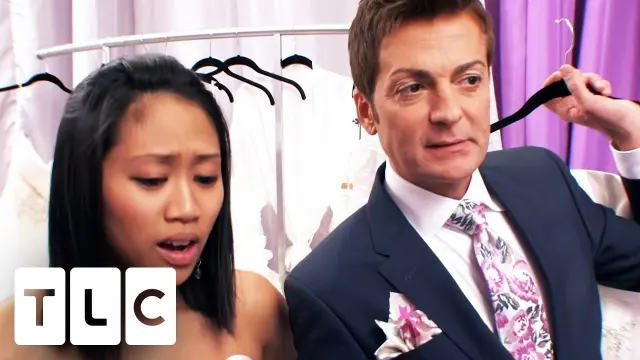 Randy Fenoli Works Through Difficult Bridal Fittings With Demanding Brides
Get new #Bridal Consultant ideas by email
Every Thursday: the week's best ideas, with the newest from #Bridal Consultant.
Related tags
What a Bridal Consultant Does and How to Work With One
A bridal consultant is the person who helps a bride-to-be find her wedding dress. You will usually meet one in a bridal boutique, though some work independently and travel to venues or homes. The job sits somewhere between stylist, host and project manager: the consultant learns what you have in mind, pulls the gowns that might suit it, guides you through trying them on, and manages the practical side of ordering, sizing and alterations.
Where the role comes from
Bridal retail as a specialised trade grew out of the nineteenth and twentieth century department store and salon tradition, when wedding dresses began to be sold ready-made rather than sewn at home. As boutiques multiplied, so did the need for someone on the floor who understood fabrics, silhouettes and fit well enough to advise rather than simply sell. The title varies by country and shop — bridal stylist, bridal advisor, gown consultant — but the work is much the same.
What happens at an appointment
Read more
A typical appointment runs through a few easy stages. First comes a conversation: your date, your venue, your budget, what you already like and what you definitely do not. Then the consultant selects a rail of dresses, often including one or two you would never have picked yourself. You try them on, usually with help fastening and adjusting, and the consultant talks you through how each one sits, moves and photographs. Many boutiques will also discuss accessories, veils and, later, alterations.
Styles and shapes you will hear about
Consultants tend to talk in a shared vocabulary of silhouettes — ballgown, A-line, mermaid, sheath, empire — and of necklines and trains. You do not need to learn it all in advance. What helps is arriving with a rough sense of the mood you want: formal or relaxed, structured or soft, traditional or unexpected. Good consultants translate feeling into fabric.
Practical advice for brides
- Book ahead, especially for weekend slots, and ask how long the appointment lasts.
- Bring photographs of dresses you admire, and be honest about your budget from the outset.
- Wear suitable underwear and shoes you can walk in; many dresses need the right foundation to sit properly.
- Limit your party to a small group. Too many opinions can drown out your own.
- Say what you feel, even if it is only "something is wrong here". A consultant works best with honest reactions.
- Ask about lead times early. Ordering and alterations take weeks or months, and a rushed timeline narrows your choices.
If you are considering the work
Bridal consultants come from fashion retail, tailoring, costume or customer service backgrounds. The skills that matter are listening, patience, a good eye for proportion and the ability to stay calm when someone is emotional. If the role interests you, a boutique is the best classroom: ask about shadowing or seasonal work before committing to any course.
#Bridal Consultant: frequently asked questions
How do I become a bridal consultant?
Most consultants come into the role from fashion retail, tailoring, costume or customer service, and learn the dress side of the job on the shop floor. Listening well, staying patient and keeping calm when a bride is emotional matter more than formal qualifications. Ask a boutique about shadowing or seasonal work before you pay for any course.
What should I bring to a bridal consultation?
Bring photographs of dresses you like, shoes you can comfortably walk in, and underwear that gives the right foundation for a gown to sit properly. Come with a rough sense of your budget and the mood you want, whether formal or relaxed, structured or soft. A small group is better than a crowd, since too many opinions can drown out your own.
How do I choose the right bridal consultant or boutique?
Look for someone who asks questions about your date, venue and budget before pulling a single dress, rather than steering you straight to the rail. A good consultant will also bring one or two gowns you would never have picked yourself, and will explain honestly how each one sits, moves and photographs. Ask early about appointment length and about lead times for ordering and alterations.
What are common mistakes brides make at a fitting?
Hiding the real budget is the most frequent one, because it wastes time on dresses that were never going to work. Another is staying quiet when something feels off, when saying plainly that something is wrong gives the consultant far more to work with. Leaving the timeline late is also risky, since ordering and alterations take a long while and a rushed schedule narrows your choices sharply.
Do I need to learn bridal terminology before my appointment?
No. You will hear talk of silhouettes such as ballgown, A-line, mermaid, sheath and empire, plus necklines and trains, but the consultant is there to translate those terms for you. Arriving with a feeling for the style you want is more useful than memorising vocabulary, and the language becomes clear once you start trying dresses on.
What is the difference between a bridal consultant and a bridal stylist?
In practice, very little. The job goes by several titles depending on the country and the shop, and the work stays the same: learning what a bride has in mind, selecting gowns, guiding the fitting, and handling ordering, sizing and alterations. Some consultants work in boutiques, while others operate independently and travel to venues or homes.
Videos come from YouTube and posts from Instagram; titles and summaries are our own. All rights belong to their creators.