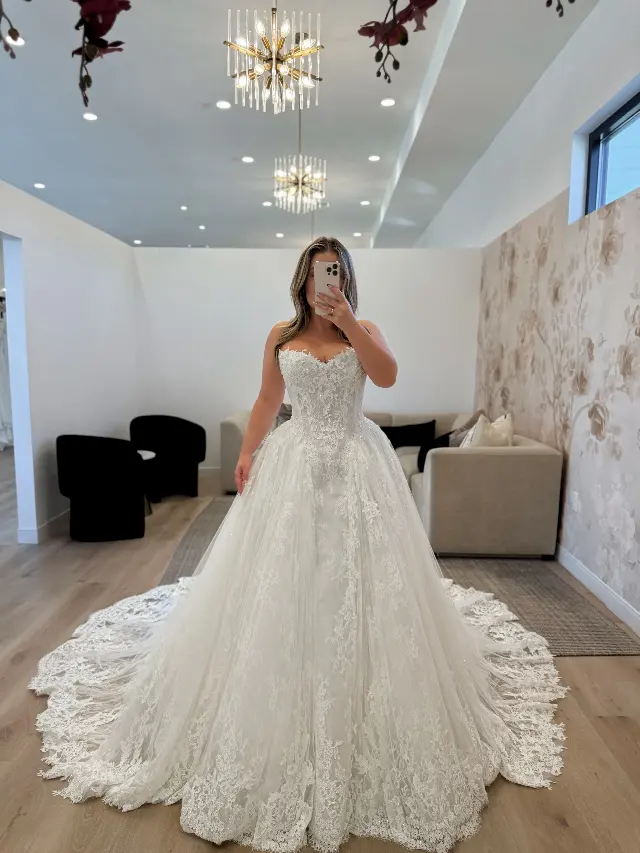
 Curated Collection of Unique Wedding Gowns
#Bridal Gowns
3 ideas
Curated Collection of Unique Wedding Gowns
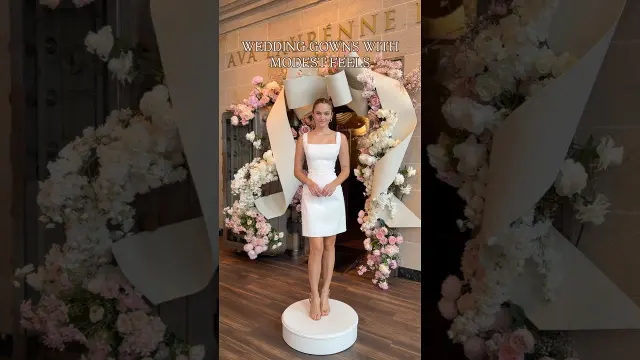 Four Gorgeous Modest Wedding Dresses Featuring One of a Kind Gowns
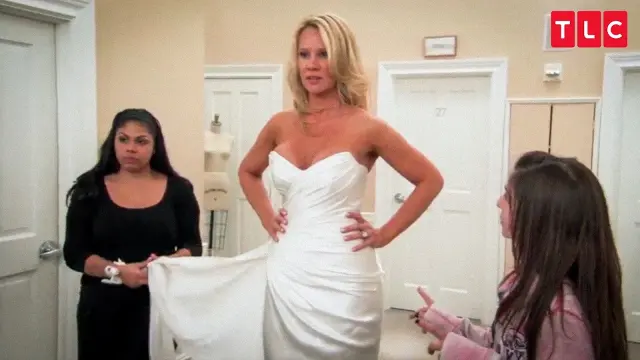 Stunning Wedding Dress Reveals From Say Yes To The Dress
Get new #Bridal Gowns ideas by email
Every Thursday: the week's best ideas, with the newest from #Bridal Gowns.
Related tags
Bridal Gowns: Styles, Fabrics and Choosing Yours
What a bridal gown is
A bridal gown is the dress worn by a bride for her wedding ceremony and, often, the celebrations that follow. It is one of the most recognisable garments in formalwear, but it is also deeply personal: for some people it is traditional and elaborate, for others simple, modern, modest or easy to move in. Bridal gowns can be found in many cultures and customs, and their shapes and meanings vary widely, but they all share one purpose: helping the bride feel special on an important day.
Common styles and silhouettes
Bridal gowns come in many classic silhouettes. Understanding the main shapes can make shopping much easier.
Read more
- A-line: fitted at the bodice and gradually widening toward the hem. This is a very versatile shape.
- Ball gown: a fitted upper part with a full skirt, often chosen for a formal look.
- Mermaid or trumpet: close-fitting through the body and opening near the knees or lower thighs.
- Sheath: a straighter, narrower shape that follows the body’s line.
- Empire waist: fitted under the bust and flowing from there, often soft and romantic.
- Tea-length or shorter gowns: practical and playful, with a hem that falls above the floor.
There are also many design variations, such as strapless, long-sleeved, off-the-shoulder, high-necked, open-back, or illusion styles. The best choice is the one that suits your comfort, venue, and personal taste.
Fabrics and details
The fabric shapes the whole feel of a gown. Light fabrics such as chiffon, tulle, and organza create softness and movement. Satin and silk-like fabrics often feel smoother and more structured. Lace adds texture and can make a gown feel delicate, vintage-inspired, or romantic. Beading, embroidery, appliqué, and layered skirts can add richness and detail.
Try to think about more than appearance. A heavy fabric may feel formal but less easy to wear for long periods. A lighter gown may move beautifully but need careful handling. The right balance depends on how you want to feel while wearing it.
What to think about before choosing
A wedding dress is usually selected with the whole day in mind. Consider the setting, the level of formality, the season, and how much movement you need. If you want to dance, walk outdoors, sit comfortably, or travel between locations, those details matter.
It also helps to focus on what feels natural on your body rather than chasing a “perfect” shape. A good bridal gown should support you, not distract you. If possible, allow time for alterations, because small adjustments often make a big difference in fit and comfort.
Helpful tips for beginners
- Start with a few silhouettes, then narrow down what feels best.
- Wear simple undergarments when trying on dresses.
- Move around in the gown: sit, walk, and raise your arms if you can.
- Pay attention to comfort at the neckline, waist, and shoulders.
- Bring only a small number of trusted opinions.
- Think about the dress together with shoes, veil, jewellery, and hairstyle, if you plan to wear them.
A bridal gown does not need to follow every tradition to be meaningful. The best one is the one that reflects who you are, feels comfortable enough to wear with confidence, and lets the day feel like yours.
Videos come from YouTube and posts from Instagram; titles and summaries are our own. All rights belong to their creators.