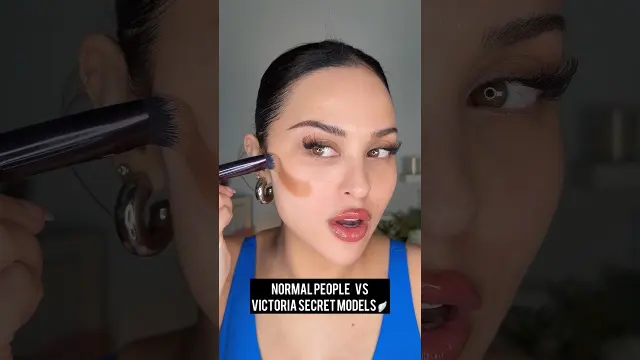
 Everyday Contour Versus Victoria's Secret Model Contour
#Bronzer
2 ideas
Everyday Contour Versus Victoria's Secret Model Contour
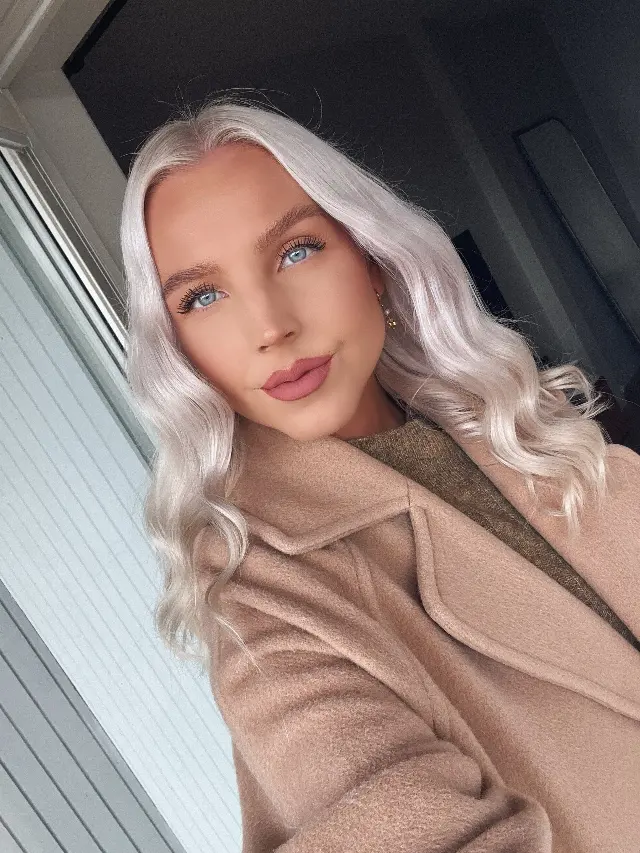 November makeup look with a full product breakdown
Get new #Bronzer ideas by email
Every Thursday: the week's best ideas, with the newest from #Bronzer.
Related tags
Bronzer: A Beginner's Guide to a Warm, Sun-Kissed Look
Bronzer is a cosmetic product that adds warmth and a hint of colour to the face, as though you had spent a little time in the sun. Its purpose is not to change your skin tone but to bring it back to life after foundation has evened everything out, and to soften the contrast between the face and the neck. It sits somewhere between makeup and light: a few sweeps can make a face look rested, healthy and slightly more awake. It should never look like a stripe, a mask or a tan line, and it should never replace sun protection.
Where It Comes From
The idea of a tanned complexion as something desirable grew out of the twentieth-century taste for outdoor leisure and holidays. What began as a change in fashion became a product category: powders and creams that let people keep a little of that warmth in their everyday faces. Today bronzer is a standard step in many routines, made in several textures and finishes, from barely-there warmth to a visible evening glow.
The Main Kinds
Read more
- Powder bronzer: the most common. Easy to control, good for oily or combination skin, and simple to build gradually.
- Cream bronzer: blends into the skin and looks natural on drier skin, though it needs a lighter hand and a little more speed before it sets.
- Liquid bronzer: can be mixed into foundation or moisturiser for an all-over warmth, or dabbed on top for a sheer effect.
- Matte finishes: suited to everyday wear and to a sculpted effect.
- Shimmer finishes: catch the light and flatter the high points of the face, but are easier to overdo.
- Taupe or grey-based shades: cooler and softer in colour, closer to the tone of a shadow than to a tan.
Choosing a Shade
Look for a shade one or two steps deeper than your natural skin, with the same undertone you have — golden and peachy for warm complexions, softer neutral tones for cooler ones. A bronzer that is much darker than your skin, or noticeably more orange, is the most common reason the result looks artificial. If you are unsure, choose the lighter of two options; building up is always easier than correcting.
How to Apply It
Use a fluffy brush and tap off the excess before the brush touches your face. Apply where the sun would naturally fall: the tops of the cheekbones, the temples, the bridge of the nose and a touch on the chin. Blend in small circles, then check the result in daylight rather than in a bathroom mirror. Cream formulas work best with fingertips or a damp sponge, pressed and blended rather than rubbed.
What Beginners Should Know
- Start with very little and add more; bronzer should be seen as a flush of warmth, not as a separate layer.
- Blend the edges until they disappear into the hairline and jaw, or the result turns patchy.
- Blush and bronzer work well together: bronzer first for warmth, blush after for colour.
- Keep the brush clean; a build-up of old product makes everything go on heavier.
- Never use bronzer as a substitute for sunscreen, and protect your skin properly outdoors.
Used lightly and blended well, bronzer is one of the quickest ways to make a face look livelier without looking made up.
#Bronzer: frequently asked questions
What is bronzer actually for?
Bronzer puts a bit of warmth back into a face that foundation has made flat and even, so you look rested rather than made up. The goal is a gentle healthy flush, not a different skin tone or a tan line. If it reads as a visible stripe or a mask, you have gone too far.
How do I pick a shade that won't look orange on me?
Match the undertone you already have and go only slightly deeper than your bare skin, so the colour reads as warmth rather than paint. Warm complexions usually suit golden or peachy tones, cooler ones softer neutral or taupe-leaning shades. When two options are close, take the lighter one, since adding more is far easier than toning down.
Powder, cream or liquid: which should a beginner buy?
Powder is the most forgiving because you can see it building and it suits oily or combination skin, which makes it a safe first choice. Cream melts in and flatters drier skin but sets quickly, so it rewards a fast, light hand, and liquid can be mixed into moisturiser for an all-over glow. Pick by your skin type and by how much time you want to spend blending.
Where do I put it, and how do I stop the edges looking patchy?
Place it where the sun would naturally catch you: tops of the cheekbones, temples, a little down the nose and a whisper on the chin. Load a fluffy brush, tap off the excess, then work in small circles and finish by sweeping the edges into the hairline and jaw. Check it in daylight at a window rather than under a bathroom light, where everything looks softer than it is.
Is bronzer the same thing as contour?
No, although people often use one for both. Bronzer is warm and mimics sunlight, while contouring uses cooler shadow tones to recede areas of the face. An everyday look can get by with a little warmth along the cheekbones, whereas a stronger sculpted effect takes a cooler shade and more deliberate placement.
What are the most common mistakes to avoid?
Overloading the brush, choosing a shade far too dark or too orange, and leaving edges unblended are what make bronzer look artificial. Use it alongside blush rather than instead of it, and keep your brush clean so old product doesn't pile on. And never treat bronzer as sun protection, however sunny it makes your face look.
Videos come from YouTube and posts from Instagram; titles and summaries are our own. All rights belong to their creators.