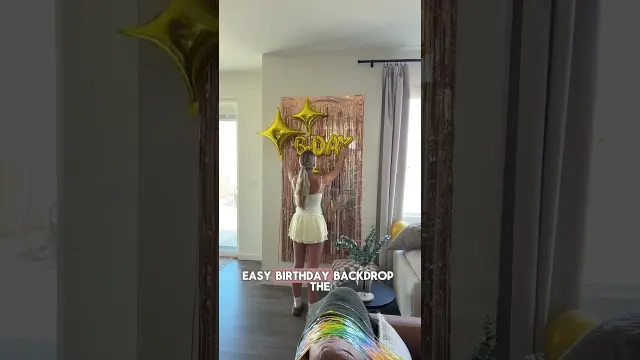
 Creative Dollar Tree Birthday Party Decor Hacks and Favors
#Budget Ideas
1 ideas
Creative Dollar Tree Birthday Party Decor Hacks and Favors
Get new #Budget Ideas ideas by email
Every Thursday: the week's best ideas, with the newest from #Budget Ideas.
Related tags
Budget Ideas: Simple Ways to Spend Less and Live Well
Budget ideas are simply plans for getting something done for less than the obvious route would cost: a birthday party, a wardrobe refresh, a kitchen shelf, a gift for a friend. They gather under one hashtag because they are easier to share than to invent alone. Someone has already worked out which shortcut holds up and which one quietly eats an afternoon.
An old habit with a new audience
Making do is not a niche interest. Any household that has ever mended a hem, cooked one large pot to stretch across several meals, or built a shelf from reclaimed timber has been practising it. What has changed is how these ideas travel. Frugal living used to pass between family members, neighbours and magazines; now it moves through hashtags, where people photograph the finished result and explain the steps afterwards. The methods are old, the audience is new, and the pleasure is largely the same: you make something good with what you have.
The main kinds of budget projects
Read more
Most ideas under this heading fall into a few groups:
- Substitution, where an inexpensive material does the job of a costly one: paper in place of fabric, paint in place of new furniture.
- Reuse and repair, giving an object a second life through mending, repainting, recovering or repurposing.
- Making from scratch, whether that means decorations, cards, preserves or simple household cleaners.
- Planning and reducing, which is less photogenic but often saves the most: meal plans, shopping lists, a small coherent wardrobe, borrowing before buying.
Many projects sit in two of these at once, which is usually a good sign.
What beginners should know
The first trap is the project that costs more than it saves. If a cheap route needs three attempts, or requires tools you will never touch again, the money is gone. Before starting, look at what you already own, and be honest about how long the work will take.
The second trap is time. A handmade alternative is only a bargain if you enjoy the making, or if the hours were going to be spent on something you value less. Treat your time as a real cost and the choice becomes clearer.
The third is the finished standard. Decide in advance how good the result needs to be. Some things must look perfect; most things only need to look intentional.
Practical tips
- Measure before you buy or cut. Guessing is the most common reason a cheap project fails.
- Start with a small version of anything unfamiliar, especially paint colours and craft techniques.
- Keep a note of materials you actually used, so you can repeat a success and avoid buying twice.
- Borrow tools and specialist equipment where you can, and ask before you assume you need to own something.
- Buy second-hand for anything sturdy and simple, and buy new for anything that carries a safety job.
- Let the theme stay simple. A short list of well-chosen details reads as care, while a long list of cheap ones reads as clutter.
The real skill behind budget ideas is not thrift for its own sake. It is deciding what matters to you, and spending freely there while staying relaxed everywhere else.
#Budget Ideas: frequently asked questions
How do I start with budget ideas if I've never tried one before?
Begin with something small and familiar rather than an ambitious project you have never attempted. Look at what you already own, pick one achievable task, and finish it before planning the next one. A completed simple project teaches you more than an abandoned clever one.
What supplies do I actually need to keep on hand?
Basic mending and crafting supplies cover most small projects: thread and needles, scissors, glue, a measuring tape and a little paint. Add specialist tools only when a specific project genuinely calls for them, and borrow the expensive ones rather than buying. Buying new is the right choice for anything doing a safety job, such as equipment that must hold weight or protect food.
Which type of budget project should I choose?
It depends on whether you want to save money, save time, or simply enjoy making something. Planning and reducing tends to save the most with the least effort, while reuse and repair suit people who like working with their hands, and substitution is good for a quick visual change. Many satisfying projects combine two of these approaches at once.
How can I keep a cheap project from turning into an expensive one?
Check the total cost of materials, tools and repeat attempts before you commit, since three failed tries usually erase the saving. Measure carefully before cutting or buying, and start with a small test version of anything unfamiliar, particularly paint colours and new techniques. Keeping a note of what you actually used helps you repeat a success instead of buying the same thing twice.
How do I make a low-cost party or gift still feel special?
Keep the theme narrow and put your effort into a few well-chosen details rather than spreading it thinly across many cheap ones. Handmade decorations, cards and favours read as care when they are consistent, whereas a long list of small novelties starts to look like clutter. Decide in advance how polished the result needs to be, because most things only need to look intentional, not perfect.
What is the most common mistake people make with budget ideas?
Treating time as free is the big one: an alternative only pays off if you enjoy the making or would otherwise have spent those hours on something you value less. The other frequent slip is choosing a project that needs tools or skills you will never use again. Being honest about both before you begin makes the choice much clearer.
Videos come from YouTube and posts from Instagram; titles and summaries are our own. All rights belong to their creators.