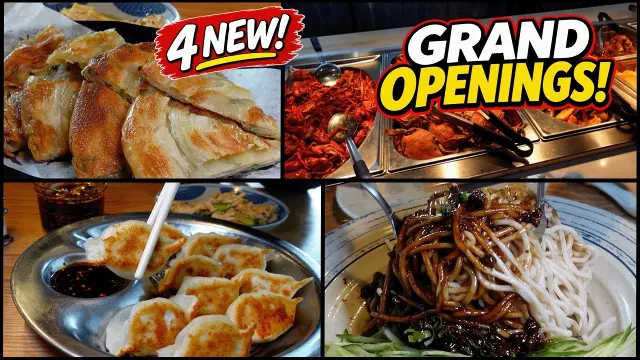
 Four New Las Vegas Restaurants Everyone Is Talking About
#Buffet
1 ideas
Four New Las Vegas Restaurants Everyone Is Talking About
Get new #Buffet ideas by email
Every Thursday: the week's best ideas, with the newest from #Buffet.
Related tags
Buffet Guide: How All-You-Can-Eat Dining Works
A buffet is a meal served from a spread of dishes that guests serve themselves, usually for a fixed price. Instead of ordering a plate and waiting for it, you walk along a table or a line of stations and take what appeals to you. The appeal is obvious: variety, choice, and the freedom to try a little of many things rather than committing to one dish.
Where the name comes from
The word comes from French, where a buffet was originally the sideboard or serving table in a dining room, and later the meal laid out on it. The idea itself is much older than the term. Shared spreads of dishes have a long history in many cultures, from the smorgasbord tradition of the north to the mezze spreads of the eastern Mediterranean and the banchan arrangements of Korea. What turned the buffet into a restaurant format was the practical one of serving many people quickly without a full serving staff per table.
Main kinds
Read more
Buffets differ a lot depending on where you meet them. The restaurant buffet is the best known: a wide spread, hot and cold, often with themed stations for carving, seafood, salads, or dessert. The hotel breakfast buffet is a familiar cousin, built for speed and convenience. There is the celebratory buffet, laid out at weddings, parties and receptions, often with passed drinks and a dessert table. Then there are the smaller, more focused versions: the salad bar, the dessert buffet, the cheese table, and the informal potluck, which is a buffet in all but name since guests serve themselves.
Two practical arrangements sit behind all of them. In a single-line buffet, guests move along one route, which keeps the flow orderly. At stations, dishes are spread across the room so people can drift between them. Many places also offer a hybrid, with live cooking points where a dish is finished to order.
Getting it right
The temptation at a large buffet is to take everything. A little planning goes further. Walk the whole spread once before you pick up a plate, so you see what is actually there and can choose rather than grab. Take small portions and return for more if you want it; that keeps food warm, plates tidy, and the meal more enjoyable. Cold dishes first, then hot, is a reasonable order if you want the hot food to stay hot.
Hygiene matters more than people expect. Use the serving utensils provided for each dish, never your own cutlery, and avoid reaching over food. If a dish has run low, ask for a fresh refill rather than scraping the tray. Take only what you are confident you will eat, since a buffet's quiet pleasure is also its problem: plenty on offer, and the risk of a lot left behind.
Children, older guests and anyone with allergies or food sensitivities do well with a buffet because they can choose freely, but it is worth asking staff about ingredients in dishes that are not labelled. Arrive hungry, leave unhurried, and treat the spread as a chance to taste rather than a challenge to finish.
#Buffet: frequently asked questions
What is a buffet, and how does it actually work?
It is a meal laid out as a spread of dishes that guests serve themselves, usually for a set price rather than by ordering a specific plate. You move along a table or between stations and take what appeals to you, which is why variety and the freedom to try a little of several things are the whole point. The format exists mainly so a crowd can be fed quickly without one server per table.
Which kind of buffet should I choose for my event?
It depends on how many people you expect and how much you want them to mingle. A single line keeps things orderly and is easiest to manage, while separate stations spread across the room let guests drift and chat, and live cooking points add a bit of theatre for a celebration. For something small and informal, a potluck or a dessert and cheese table works in all but name.
What do I need to set up a buffet at home?
The essentials are a clear route for guests to follow, a serving utensil for every single dish, and a way to keep hot food hot and cold food cold until people reach it. Labels help enormously, especially for anything with nuts, dairy or meat, and small plates encourage people to take modest portions and come back. Put the cutlery and napkins at the end of the line so nobody has to juggle a plate while reaching for a fork.
How do I handle a big buffet without overloading my plate?
Walk the whole spread once before you pick up a plate, so you choose deliberately instead of grabbing whatever is nearest. Take small portions and return for more if you liked something, which keeps your food at the right temperature and your plate presentable. Starting with cold dishes and moving to hot ones is a sensible order if you want the warm food to stay warm.
What are the most common buffet mistakes?
The usual ones are taking far more than you will eat, using your own cutlery instead of the serving utensils, and reaching across dishes rather than walking around. Scraping the last of a tray is another — it is better to ask staff for a fresh refill. Leftovers are the quiet cost of a generous spread, so it pays to take only what you are confident about.
Are buffets a good choice for children, older guests or people with allergies?
Very often yes, because everyone can take exactly what suits them and skip what does not, and nobody has to negotiate a menu. The catch is that dishes are not always labelled, so it is worth asking staff directly about ingredients in anything you are unsure of. Arriving hungry and leaving unhurried makes the whole experience easier for everyone.
Videos come from YouTube and posts from Instagram; titles and summaries are our own. All rights belong to their creators.