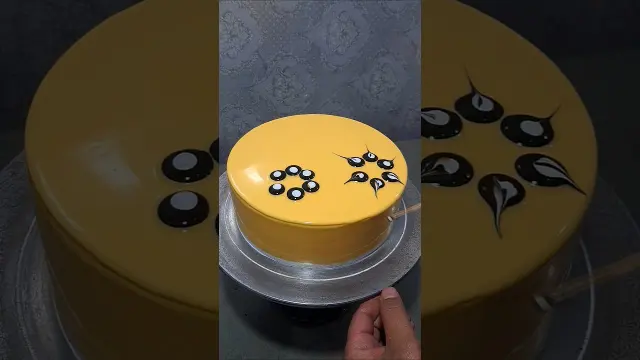
 Satisfying Butterscotch Cake Decorating in a Short Clip
#Butterscotch Cake
1 ideas
Satisfying Butterscotch Cake Decorating in a Short Clip
Get new #Butterscotch Cake ideas by email
Every Thursday: the week's best ideas, with the newest from #Butterscotch Cake.
Related tags
Butterscotch Cake: A Complete Guide
Butterscotch cake is a dessert built around one of the oldest and simplest pleasures in the kitchen: butter and brown sugar, cooked together until they turn deep gold and smell faintly of caramel. That mixture, known as butterscotch, gives the cake its character — richer and slightly darker than caramel, with a mellow, almost toasty sweetness that comes from the molasses in the brown sugar rather than from burnt sugar alone.
Where it comes from
The name has been in English kitchens for centuries, and the technique behind it is older still: browning butter with sugar is one of the most basic ways to build flavour in European baking. Butterscotch as a candy was traditionally made with butter, brown sugar and a little cream or milk, cooked to a firm set and cut into pieces. Bakers later borrowed that flavour for sauces, puddings and frostings, and eventually for layer cakes. There is no single country or inventor to credit — it grew out of home baking rather than a formal recipe, which is part of why versions vary so much from one kitchen to the next.
The main styles
Read more
Most butterscotch cakes fall into a few loose families. The simplest is a light sponge or butter cake flavoured with butterscotch sauce folded into the batter. A second style uses dark brown sugar in the cake itself for a deeper, more molasses-forward crumb, often paired with a cream cheese or brown butter frosting to balance the sweetness. A third is the celebration cake: layers brushed with butterscotch syrup, filled with sauce, and finished with a glossy drip or a scattering of butterscotch chips. Some bakers add toasted nuts for crunch, and some pair the flavour with banana, pear or coffee, all of which flatter it.
What beginners should know
Butterscotch sauce is the heart of the cake, and it is worth making it yourself. Melt butter with brown sugar over moderate heat, let it bubble for a few minutes, then stir in cream off the heat. The colour you want is that of strong tea. Undercook it and the flavour stays flat; overcook it and it turns bitter. Let it cool before folding it into batter, and remember that a wet sauce will weigh down a delicate sponge — a little goes further than you expect.
Two practical points. First, brown sugar varies in moisture, so batter may need a splash more liquid than the recipe suggests; judge by texture, not by the clock. Second, butterscotch is sweet, so pair it with something that pushes back: a pinch of salt, a tangy frosting, a spoonful of sour cream in the batter. Serve the cake at room temperature rather than cold, when the flavour is fullest.
#Butterscotch Cake: frequently asked questions
How do I make butterscotch sauce for a cake if I've never done it before?
Melt butter with brown sugar over moderate heat, let it bubble gently, then take it off the heat and stir in cream. Watch the colour rather than the clock — you want something like strong tea, since too pale tastes flat and too dark turns bitter. Let it cool before it goes anywhere near your batter.
What do I need in the kitchen to bake a butterscotch cake?
Nothing unusual: butter, brown sugar, eggs, flour, a little cream and a couple of mixing bowls will get you most of the way there. A heavy-based pan matters more than fancy equipment, because butterscotch scorches quickly in thin cookware. Beyond that, a whisk and a cake tin are enough to start.
Which style of butterscotch cake should I choose for my first attempt?
Start with a simple butter or sponge cake that has butterscotch sauce folded through the batter, since it forgives small errors and shows you how the flavour behaves. Once that feels comfortable, move on to a dark brown sugar version with a tangy frosting, or build up to layered celebration cakes. Each style leans on the same flavour, just with more moving parts.
How should I store and serve a butterscotch cake so it tastes its best?
Keep it covered at cool room temperature rather than in the fridge, where the crumb firms up and the flavour goes quiet. Bring slices back to room temperature before eating, and warm the sauce slightly if you're serving it alongside. If you do refrigerate it, give it time to soften again before serving.
What flavours go well with butterscotch for a special occasion cake?
Butterscotch is sweet and mellow, so it likes partners that push back: a pinch of salt, cream cheese or brown butter frosting, or a spoonful of sour cream in the batter. Banana, pear, coffee and toasted nuts all flatter it and add contrast in texture. A glossy drip or a scatter of butterscotch pieces is an easy way to make it feel celebratory.
What are the most common mistakes people make with butterscotch cake?
The usual ones are undercooking or overcooking the sauce, and adding it to the batter while it's still hot and loose. Brown sugar also varies in moisture, so judge the batter by how it looks and feels rather than by the stated mixing time. Finally, don't overdo the sauce — a wet filling will weigh down a light sponge.
Videos come from YouTube and posts from Instagram; titles and summaries are our own. All rights belong to their creators.