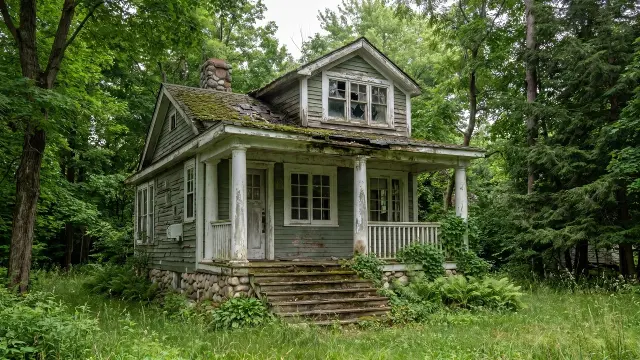
 Abandoned Wooden House Restored Into Modern Rustic Dream Home
#Cabin Living
1 ideas
Abandoned Wooden House Restored Into Modern Rustic Dream Home
Get new #Cabin Living ideas by email
Every Thursday: the week's best ideas, with the newest from #Cabin Living.
Related tags
Cabin Living: A Guide to Rustic, Simple Home Life
Cabin living is about creating a home that feels close to nature, calm, and uncomplicated. Traditionally, a cabin was a small shelter built from readily available materials such as wood and stone, often in rural or wooded areas. Over time, the idea has come to mean more than a structure: it has become a way of living that values warmth, practical comfort, and a slower pace.
What cabin living means
At its heart, cabin living is about making a space feel grounded and welcoming. It often includes natural materials, simple furnishings, and a layout that supports everyday ease rather than formality. A cabin can be a remote getaway, a family home, or a design style borrowed into a more ordinary house. What matters most is the feeling it creates: sheltered, restful, and connected to the surroundings.
Common styles and features
Read more
Cabin interiors often draw from rustic and country influences. You may see exposed wood, simple textiles, handmade objects, and furniture with a sturdy, honest look. Some cabins feel traditional and rugged, while others are more polished and minimal. Both can still belong to cabin living.
Typical features include:
- Natural wood floors, walls, or ceilings
- Open or compact living areas designed for comfort
- Fireplaces, stoves, or other central heat sources where appropriate
- Soft layers such as wool, cotton, linen, or knit throws
- Simple decor that feels useful as well as decorative
The cabin style can be adapted in many ways. Some people prefer a very traditional look with rough textures and vintage pieces. Others like a cleaner version with fewer objects, lighter colors, and more open space. The style is flexible, as long as it remains warm and relaxed.
Practical ideas for everyday living
If you are drawn to cabin living, start by thinking about comfort and function. A cabin-style home works best when each item has a purpose, even if it is beautiful too. Storage matters because small or compact spaces can feel cluttered quickly.
A few helpful principles:
- Choose durable materials that age well
- Keep the color palette calm and natural
- Mix textures to add warmth without adding visual noise
- Leave space for movement and easy maintenance
- Use lighting that feels soft and inviting
Cabin living also encourages a closer relationship with the outdoors. Large windows, porches, and simple transitions between inside and outside can help a home feel more connected to its setting. Even in a city home, you can bring in this feeling with natural textures, plants, and a less crowded layout.
What beginners should know
If you are new to cabin-inspired decorating or living, begin with the atmosphere rather than strict rules. You do not need every surface to be wood, and you do not need your home to look like a remote retreat. Start with a few natural materials, comfortable seating, and practical storage. Then add pieces that feel personal and lived-in.
Cabin living is not about perfection. It is about making room for ease, warmth, and a sense of shelter. When done well, it creates a home that feels timeless, inviting, and quietly rooted in nature.
Videos come from YouTube and posts from Instagram; titles and summaries are our own. All rights belong to their creators.