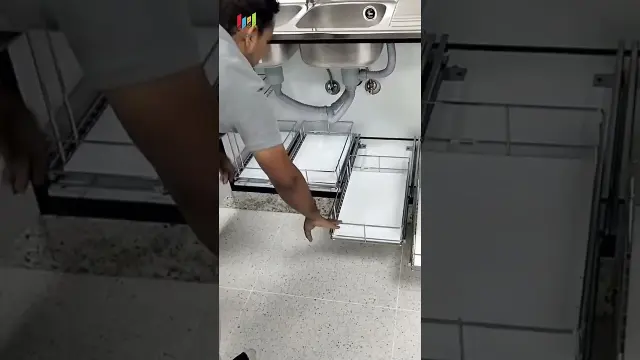
 Under-sink cabinet storage ideas for a more functional kitchen
#Cabinet Organization
2 ideas
Under-sink cabinet storage ideas for a more functional kitchen
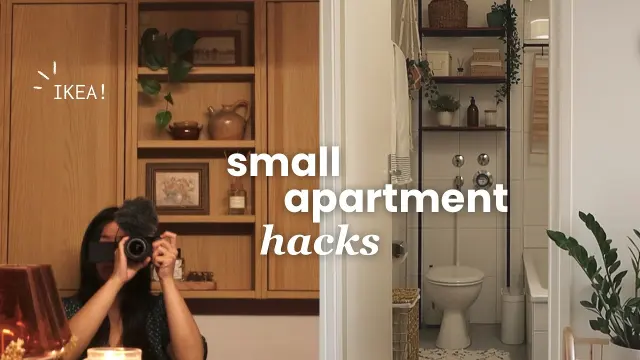 Small apartment storage ideas with IKEA hacks
Get new #Cabinet Organization ideas by email
Every Thursday: the week's best ideas, with the newest from #Cabinet Organization.
Related tags
Cabinet Organization Ideas for Every Room
Cabinet organization is the practice of arranging stored items so they are easier to see, reach, and put away. It matters in kitchens, bathrooms, laundry rooms, entryways, and even closets, because cabinets often hold the things you use most often but do not want left out in the open. A well-organized cabinet can save time, reduce waste, and make an everyday space feel calmer and more useful.
Why cabinet organization matters
Cabinets tend to fill up slowly, which makes them easy to ignore until they become crowded. When items are grouped clearly and stored with a purpose, you spend less time searching and less space gets wasted. Good organization also helps you notice what you already have, so duplicates and forgotten supplies are less likely to pile up.
The key idea is simple: keep similar things together and make the most used items the easiest to reach.
Read more
Common cabinet organization styles
There is no single right way to organize cabinets. The best system depends on the room and how you use it.
- Everyday-use storage: items you reach for regularly stay near the front and at eye level.
- Category storage: similar items are kept together, such as cleaning supplies, baking tools, or medicines.
- Frequency-based storage: often-used items are easiest to grab, while occasional items can go higher or lower.
- Zone storage: each cabinet serves a clear purpose, such as snacks in one kitchen cabinet or towels in one bathroom cabinet.
In kitchens, cabinet organization often focuses on dishes, cookware, dry goods, and small appliances. In bathrooms, it usually involves toiletries, extra paper goods, towels, and grooming items. In laundry or utility areas, it may mean detergents, cleaning products, and spare supplies.
Simple techniques that help
A few basic habits make a big difference:
- Empty the cabinet before you start, so you can see everything at once.
- Group like with like before putting things back.
- Keep only what fits comfortably; crowded cabinets are hard to maintain.
- Use containers or bins to hold loose items together.
- Place heavier items lower down for easier handling.
- Leave a little open space so items can be removed and returned without shifting everything around.
If you have deep cabinets, think about access. Items pushed to the back are often forgotten, so it helps to use shelves, risers, or baskets that bring them forward. In corner cabinets, try to reserve the deepest space for things you use less often.
Helpful tips for beginners
Start small. One cabinet is enough for your first round of organizing. A simple system you can keep up with is more useful than a complicated one that looks perfect for a week and then falls apart.
Before adding organizers, decide what actually belongs in the cabinet. Storage tools can help, but they cannot fix clutter by themselves. It is also useful to label containers if several people use the same space, because clear labels make it easier to keep the system working.
Keeping cabinets organized
Maintenance is easier than a full reset. Every so often, return misplaced items, remove anything no longer needed, and check whether the system still fits your routine. As your needs change, your cabinets can change too. The best cabinet organization is not about making storage look neat for a moment; it is about creating a simple, lasting way to live with less effort every day.
Videos come from YouTube and posts from Instagram; titles and summaries are our own. All rights belong to their creators.