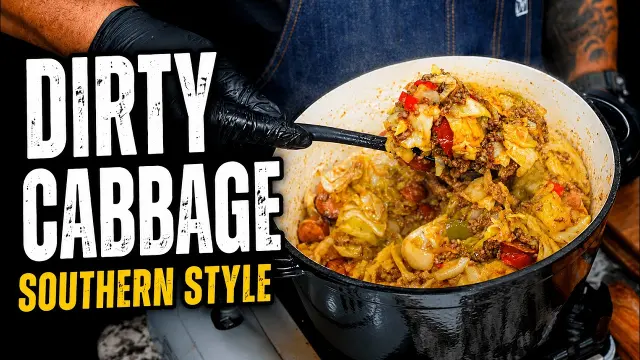
 Smoky Cajun Dirty Cabbage With Sausage and Beef
#Cajun Food
2 ideas
Smoky Cajun Dirty Cabbage With Sausage and Beef
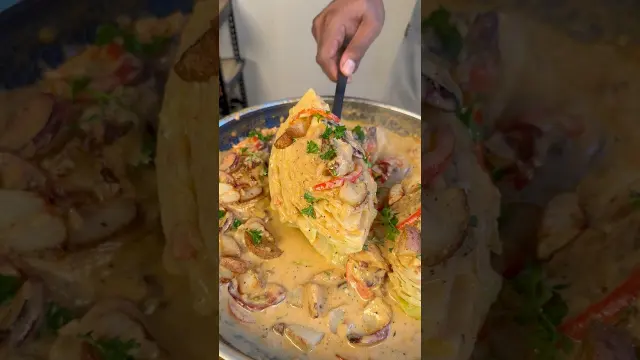 Creamy Cajun Smothered Cabbage With Sausage and Potatoes
Get new #Cajun Food ideas by email
Every Thursday: the week's best ideas, with the newest from #Cajun Food.
Related tags
Cajun Food Guide
Cajun food is the rustic home cooking of Louisiana, shaped by French-speaking settlers and the ingredients they found in the American South. It grew out of a practical way of cooking: making the most of local produce, rice, river fish, seafood, poultry, pork, and smoky sausage. The result is food that is hearty, deeply seasoned, and full of comfort.
At its heart, Cajun cooking is about building flavor. Many dishes begin with the “holy trinity” of onion, celery, and bell pepper, often cooked slowly to form a savory base. Garlic, green onions, parsley, paprika, cayenne, thyme, bay leaf, and black pepper are also common. Cajun food is not usually about fancy presentation; it is about generous seasoning and satisfying texture.
You will find Cajun dishes in many forms. There are rice dishes such as jambalaya and dirty rice, soups and stews like gumbo, and skillet meals with sausage, chicken, seafood, or vegetables. Cabbage, okra, potatoes, beans, and tomatoes often appear in home-style cooking. Smoked meats and shellfish add depth, while rice is often served alongside or inside the dish to make it more filling.
Cajun food is often compared with Creole cooking, and while they overlap, they are not quite the same. Cajun cooking is generally seen as more rural and farmhouse-like, with a focus on what was available locally. Creole food has more urban and cosmopolitan influences. In everyday cooking, though, the two traditions can share ingredients and techniques.
Read more
If you are new to Cajun cooking, start with a few basics:
- Learn the flavor base: onion, celery, and bell pepper are a strong starting point.
- Season in layers, tasting as you go, so the food becomes flavorful without being overly salty or hot.
- Use a heavy pot or skillet for even cooking and better browning.
- Let stews and braises cook gently so the flavors can blend.
- Balance richness with fresh herbs, rice, or vegetables.
There are many ways to make Cajun food your own while keeping its spirit. You might choose seafood for a lighter meal, add sausage for smokiness, or use cabbage, beans, or potatoes for a simple one-pot dinner. Some dishes are thick and saucy, while others are drier and more rustic. That flexibility is part of the tradition.
If you want to cook Cajun-style meals at home, focus on comfort, balance, and patience. Use everyday ingredients, build flavor slowly, and do not be afraid of bold seasoning. Cajun food is meant to feel welcoming, nourishing, and full of character.
#Cajun Food: frequently asked questions
What exactly is Cajun food, and how is it different from Creole cooking?
Cajun food is the rustic, farmhouse-style home cooking of Louisiana, built around local rice, seafood, poultry, pork, smoked sausage, and whatever grew nearby. It is usually described as rural and practical, while Creole cooking carries more urban and cosmopolitan influences. In everyday kitchens the two overlap freely, sharing ingredients and techniques, so you do not need to pick a side.
How do I get started with Cajun cooking at home?
Begin with the flavor base of onion, celery, and bell pepper cooked slowly until soft and savory, since most dishes are built on top of it. A heavy pot or skillet helps you brown food evenly and keeps gentle stews from scorching. From there, season gradually and taste as you go rather than adding everything at once.
Which Cajun dish should I make first?
Pick based on the texture you enjoy: a rice-based dish like jambalaya is forgiving and filling, while a slow-simmered stew such as gumbo rewards patience with deep flavor. Skillet meals with sausage, chicken, or vegetables are the easiest entry point if you want something quick and rustic. Starting with a one-pot cabbage or bean dish is a good way to learn the seasoning style without much fuss.
What are the common mistakes people make with Cajun food?
The usual slip is dumping in a lot of seasoning at the end instead of building it in layers, which leaves the dish harsh and salty rather than rounded. Another is rushing a stew or braise, when gentle, unhurried cooking is what lets the flavors blend. Lastly, forgetting to balance richness with fresh herbs, rice, or vegetables can make the food feel heavy.
Can I adapt Cajun recipes to what I already have in the kitchen?
Yes, flexibility is part of the tradition, since the cooking grew out of using what was on hand. You can lean on seafood for a lighter meal, add smoked sausage for depth, or stretch a pot with cabbage, beans, or potatoes. Some versions come out thick and saucy and others drier and more rustic, and both are true to the style.
What Cajun dishes work well for feeding a group?
Large-format dishes are the natural choice: a big pot of stew or a rice dish served with bread and something fresh on the side feeds a crowd without last-minute work. Smothered cabbage or sausage-and-beef skillet meals also hold up well on a buffet and taste good after sitting. Keep the seasoning bold but balanced, and let people add heat at the table.
Videos come from YouTube and posts from Instagram; titles and summaries are our own. All rights belong to their creators.