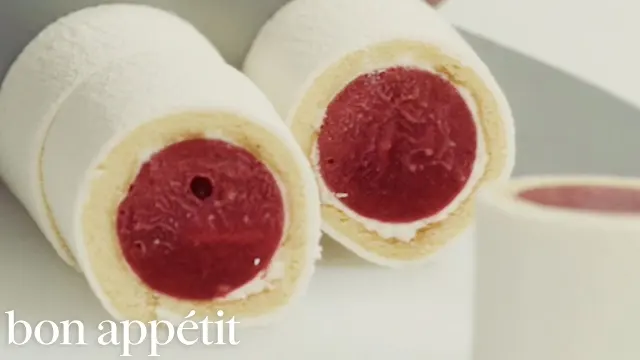
 How an Executive Pastry Chef Rolls a Perfect Cake
#Cake Rolling
1 ideas
How an Executive Pastry Chef Rolls a Perfect Cake
Get new #Cake Rolling ideas by email
Every Thursday: the week's best ideas, with the newest from #Cake Rolling.
Related tags
Cake Rolling Guide
Cake rolling is the technique of baking a thin sponge cake and rolling it into a spiral while it is still flexible. It is used for desserts such as Swiss rolls, roulades, and yule log cakes. The appeal of a rolled cake is simple: a light sponge, a smooth filling, and a clean swirl when sliced.
The method is likely to feel easier once you understand the purpose of each step. The cake must be thin enough to bend, yet sturdy enough not to crack. That is why recipes for rolled cakes usually use a light batter made with whipped eggs, careful folding, and relatively brief baking. The sponge should be cooked just enough to set without drying out.
What makes a cake roll work
A good rolled cake begins with a soft, elastic sponge. Common styles include plain vanilla sponge, chocolate sponge, and sponge flavored with citrus, spices, or cocoa. Some cakes are rolled with whipped cream, jam, buttercream, mousse, or fruit fillings. The filling should be smooth and spreadable, not too heavy, so the cake can keep its shape.
Read more
Traditionally, rolled cakes are part of European baking, especially in styles such as Swiss rolls and jelly rolls. Similar cakes appear in many cuisines, with different fillings and finishes. Some are left simple with a dusting of sugar, while others are coated in icing, ganache, or cream.
Tips for beginners
If you are new to cake rolling, focus on the sponge first. Read the recipe carefully and prepare your pan before you start mixing. A sheet pan or shallow baking tray is usually used because the batter needs to bake in an even, thin layer.
A few practical habits help a lot:
- Line the pan well so the cake lifts out cleanly.
- Do not overbake; a dry sponge is more likely to crack.
- Roll the cake while it is still warm, if the recipe directs you to do so.
- Use a clean towel or parchment to help shape the roll.
- Let the cake cool fully before adding fillings that are soft or whipped.
If the cake does crack a little, do not worry. A filling or outer coating can hide small imperfections, and the cake will still taste delicious. Many rolled cakes are meant to look homemade rather than perfect.
Filling and finishing
The filling changes the character of the cake. Light whipped fillings make the dessert airy, while jam gives it a bright, fruity flavor. Chocolate fillings and cream cheese fillings create a richer result. For a neat slice, avoid overfilling, especially near the edges.
After filling, roll the cake gently but firmly. A light pressure helps create an even spiral. Chilling the finished cake can make slicing easier. For serving, a sharp knife gives the cleanest cut.
Cake rolling is a useful skill because it combines simple ingredients with a graceful result. Once you learn how the sponge behaves, you can adapt the method to many flavors and occasions.
Videos come from YouTube and posts from Instagram; titles and summaries are our own. All rights belong to their creators.