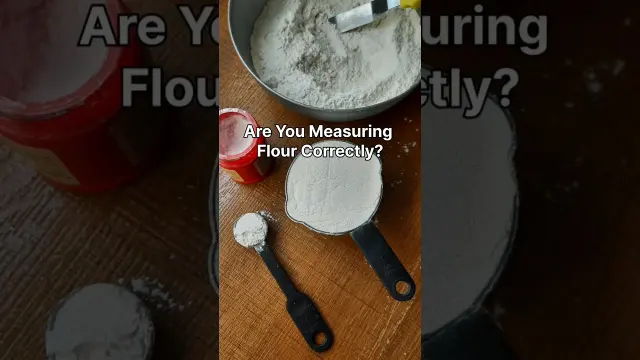
 Correctly Measuring Flour For Baking Success
#Cake Tips
1 ideas
Correctly Measuring Flour For Baking Success
Get new #Cake Tips ideas by email
Every Thursday: the week's best ideas, with the newest from #Cake Tips.
Related tags
Cake Tips for Better Baking
Cake tips for more reliable baking
Baking a good cake is part recipe, part technique. Even a simple sponge can turn out very differently depending on how you measure ingredients, mix the batter, and handle the cake once it comes out of the oven. The good news is that a few steady habits make cake baking much easier to learn.
Cakes have a long history across many cultures, from simple honey or fruit-based cakes to the layered celebration cakes many people know today. At its heart, cake is a sweet baked mixture that usually combines flour, sugar, eggs, fat, and a liquid. Different ratios and methods create very different textures, from airy sponge to rich butter cake or tender oil cake.
Start with accurate measuring
Read more
One of the most important cake tips is to measure carefully. Flour especially can make a big difference if you pack it too tightly. Spoon it lightly into the measuring cup and level it off, or use a scale if you prefer consistency. Sugar, fat, and liquid should also be measured with care, because small changes can affect texture and structure.
Use the ingredient temperature called for in the recipe. Softened butter creams more evenly, and room-temperature eggs usually mix more smoothly into batter. If a recipe asks for melted butter or warm liquid, follow that direction closely.
Mix with care
Overmixing can make cakes dense or tough, especially once the flour is added. Mix just until the ingredients come together unless the recipe says otherwise. If you are creaming butter and sugar, beat them until the mixture looks light and fluffy, since this helps add air.
Fold in delicate ingredients gently, especially whipped egg whites, fruit, or chocolate pieces. A light hand helps preserve the texture you worked to create earlier.
Prepare the pan well
A properly prepared pan helps your cake release cleanly. Grease the pan as needed, and line the base with parchment if the recipe suggests it. Fill the pan only to the recommended level, because too much batter can overflow or bake unevenly.
For even baking, place the pan in the centre of the oven unless the recipe says otherwise. Avoid opening the oven door too often, especially early in baking, because sudden temperature changes can affect the rise.
Know when the cake is done
Baking time is only a guide. Cakes are usually done when they spring back lightly to the touch and a tester comes out clean or with just a few moist crumbs. If the top browns too quickly before the centre is cooked, you can often cover it loosely with foil for part of the baking time.
Let the cake cool in the pan for the time given in the recipe, then turn it out carefully onto a rack. Cooling on a rack helps steam escape so the texture stays even.
Finish and decorate simply
A cake does not need elaborate decoration to look appealing. A dusting of sugar, a smooth glaze, whipped cream, or a simple frosting can be enough. If you are layering or slicing, wait until the cake is fully cool so it does not tear or melt.
If you are new to cake baking, choose recipes with familiar ingredients and clear instructions. Keep notes on what worked, because small observations quickly improve your results. With practice, cake baking becomes less about guessing and more about repeatable, satisfying results.
Videos come from YouTube and posts from Instagram; titles and summaries are our own. All rights belong to their creators.