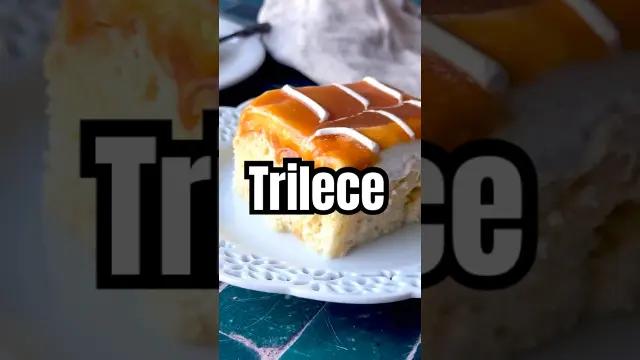
 Trilece Turkish Milk Cake with Caramel Topping
#Cake
31 ideas
Trilece Turkish Milk Cake with Caramel Topping
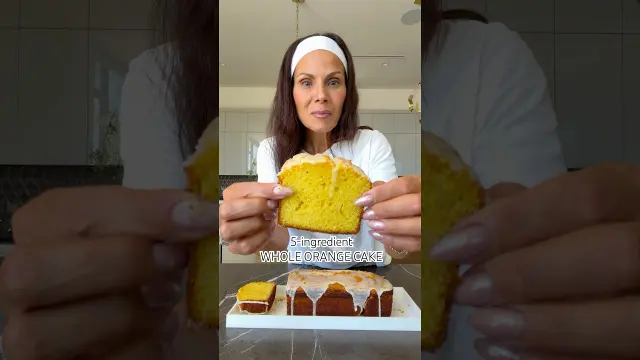 Easy Homemade Orange Cake Recipe
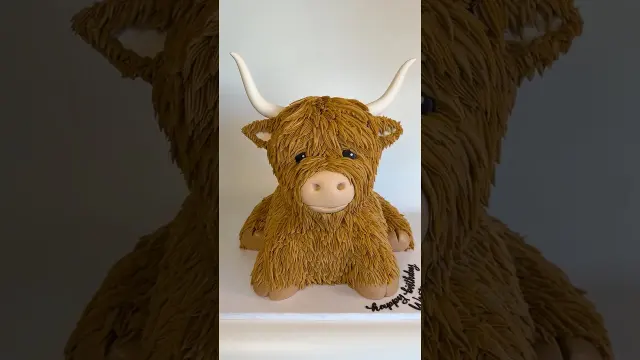 Decorating a 3D Highland Cow Birthday Cake
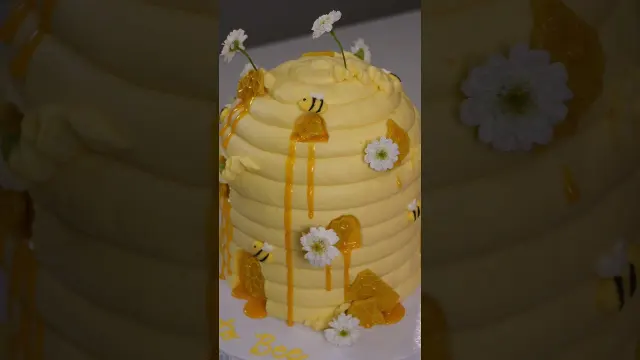 Bee and Honeycomb Themed Cake Inspiration
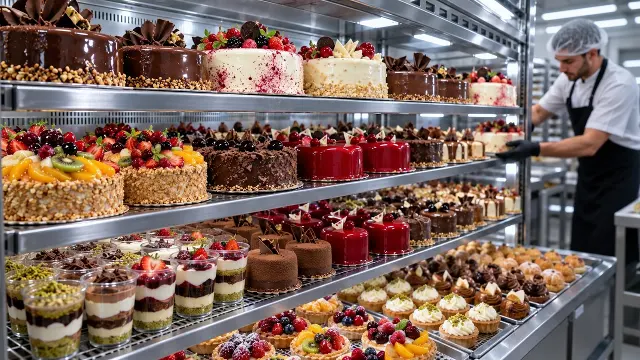 Inside a Busy Turkish Patisserie Kitchen
 Building an Extremely Tall Layer Cake
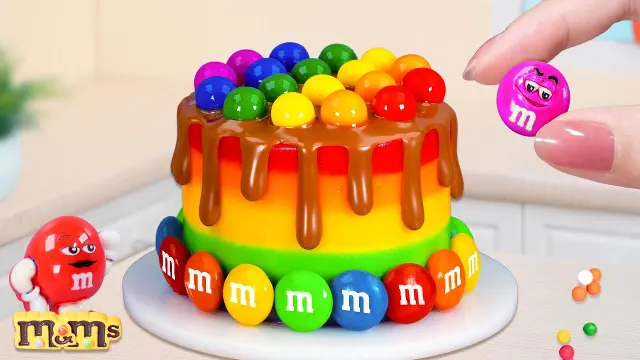 Miniature M&M Chocolate Cake Creation
Get new #Cake ideas by email
Every Thursday: the week's best ideas, with the newest from #Cake.
Related tags
Cakes: A Gentle Guide to Baking
A cake is a sweet baked dessert made from a batter or a foam-based mixture that becomes soft, tender, and pleasant to slice. Cakes are found in many food traditions around the world, and while the ingredients and shapes vary, the idea is the same: to turn flour, sugar, eggs, fat, and liquid into something light, rich, and celebratory. Cakes are often served for birthdays, gatherings, and everyday treats, but they can also be very simple, meant to be enjoyed with tea or coffee.
What makes a cake a cake
Most cakes rely on a balance of structure and tenderness. The structure usually comes from flour and eggs, while softness comes from sugar, fat, and careful mixing. Some cakes are dense and buttery, while others are airy and delicate. The method matters as much as the ingredients, because the way you mix and bake the batter changes the final texture.
Common kinds of cake
Read more
- Butter cakes: rich, tender cakes made by creaming fat and sugar together.
- Sponge cakes: light cakes that depend more on whipped eggs for lift.
- Foam cakes: airy cakes with very little fat, often delicate and springy.
- Oil-based cakes: moist cakes that stay soft for a longer time.
- Layer cakes: cakes baked in separate rounds and stacked with filling or frosting.
- Sheet cakes and loaf cakes: simpler formats that are easy to bake, slice, and serve.
- Fruit cakes and spice cakes: cakes flavored with dried fruit, fresh fruit, spices, or nuts.
Basic techniques to know
If you are new to baking, the mixing method is worth understanding. Creaming butter and sugar helps trap air for a lighter crumb. Whipping eggs can also create lift, especially in sponge-style cakes. In many recipes, dry ingredients are folded in gently so the batter stays tender and does not become heavy.
Measuring carefully is important. Too much flour can make a cake dry, while too much liquid can make it weak or gummy. It also helps to bring ingredients to room temperature when a recipe asks for it, because they usually combine more smoothly.
Helpful baking tips
- Read the recipe all the way through before starting.
- Prepare your pan properly so the cake releases well.
- Mix just until the ingredients come together.
- Avoid opening the oven too often, especially early in baking.
- Check for doneness with the method suggested in the recipe.
- Let the cake cool before removing, slicing, or frosting it.
Flavor and decoration
Cake is wonderfully flexible. You can keep it plain and simple, or add vanilla, citrus, cocoa, spices, nuts, fruit, jam, cream, or frosting. Decoration can be as minimal as a dusting of sugar or as elaborate as layers of icing and flowers. Whatever style you choose, the best cake is one that tastes balanced and feels right for the occasion.
For beginners
Start with a straightforward recipe and one pan type. A simple cake teaches you the basics of mixing, baking, and cooling without too many steps. Once you understand how batter looks and behaves, you can move on to layered cakes, filled cakes, and more decorative finishes with confidence.
Videos come from YouTube and posts from Instagram; titles and summaries are our own. All rights belong to their creators.