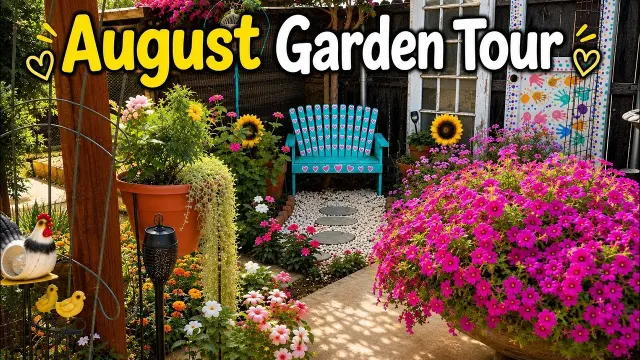
 August Backyard Garden Tour in California Zone 9B
#California Garden
1 ideas
August Backyard Garden Tour in California Zone 9B
Get new #California Garden ideas by email
Every Thursday: the week's best ideas, with the newest from #California Garden.
Related tags
California Gardening: A Guide to Growing in a Dry Climate
Gardening in California is less about one climate than about many. The state runs from foggy coast to hot inland valleys, from foothills to desert, and the same plant can sulk in one garden and flourish an hour's drive away. What ties most of it together is a Mediterranean rhythm: rain arrives in the cooler months, and the warm season is largely dry. Once you garden with that pattern instead of against it, much of the struggle disappears.
Start with your own patch of weather
Before choosing a single plant, spend a season noticing your garden. Which spots bake in afternoon sun, which stay shaded and cool, where frost settles, where wind funnels through. California gardens are full of microclimates, often within a few metres of each other. A plant labelled for full sun may still scorch against a south-facing wall, and a sheltered courtyard can carry tender plants through winters that would kill them out in the open.
Soil and water
Soils vary enormously, from heavy clay to fast-draining sand and gravel, and many are low in organic matter. Improving soil with compost is nearly always worthwhile; it helps clay drain and sand hold moisture. Watering deserves the same attention. Deep, infrequent irrigation that reaches the roots builds tougher plants than light daily sprinkling. Group plants by how thirsty they are, so you can water one bed generously and leave another almost alone. Drip lines and timers make that easier. A layer of mulch over bare soil slows evaporation and keeps roots cooler.
Plants that suit the place
California native plants evolved with dry summers and are a natural starting point: manzanita, ceanothus, California poppy, sages and buckwheats among them. Many are best planted in autumn, so winter rain can establish them before the dry months. Plants from other Mediterranean regions, such as lavender, rosemary, olive and salvia, often settle in comfortably too. Whichever you choose, check that a species is not known to be invasive where you live, and give it room to reach its natural size.
Read more
Edibles and the seasons
Fruit and vegetable growing works well here if you match crops to your local timing. Cool months favour leafy greens, brassicas and peas; warm months suit tomatoes, peppers, beans and squash. Citrus and stone fruit are staples in many gardens, though they need steady water and some shelter from harsh frost. Harvesting your own food is one of the great pleasures of a California garden.
Fire, wildlife and patience
If you live near wildland, choose plants and layouts that resist fire and keep flammable material away from the house. Wherever you garden, leave space for pollinators and birds; a shallow water dish and a few flowering natives go a long way. And give yourself time. Gardens here are slow to settle and quick to reward patience.
#California Garden: frequently asked questions
How do I start a California garden from scratch?
Start by watching your own patch through a full season before buying anything, noting where sun bakes, where shade lingers, where frost settles and where wind funnels through. California gardens are full of small microclimates, and a plant that scorches against a hot wall may thrive a short distance away in a sheltered courtyard. Once you know your conditions, improve the soil with compost and pick plants that match the spot rather than fighting it.
Which plants are easiest to grow in a California garden?
Native plants evolved with dry summers and are the most forgiving starting point, with manzanita, ceanothus, California poppy, sages and buckwheat among the reliable choices. Plants from other Mediterranean climates, such as lavender, rosemary, olive and salvia, tend to settle in comfortably as well. Before planting anything, check that it is not known to be invasive in your area and give it room to reach its full size.
When should I plant natives and other Mediterranean plants?
The cooler, rainy season is the best window, because winter moisture lets roots establish before the long dry stretch arrives. Planting then means far less watering and stress than putting things in the ground at the start of the hot season. If you must plant later, be prepared to irrigate carefully through the first warm months.
How should I water a California garden?
Aim for deep, infrequent watering that reaches the roots instead of light daily sprinkling, which encourages shallow, fragile root systems. Group plants by how thirsty they are so you can soak one bed and leave another nearly alone, and use drip lines and timers to make that easier. A layer of mulch over bare soil slows evaporation and keeps roots cooler.
What can I grow for food, and how do I time it?
Match crops to your local timing: leafy greens, brassicas and peas do well in the cool months, while tomatoes, peppers, beans and squash want the warm ones. Citrus and stone fruit are staples in many gardens, though they need steady water and some shelter from harsh frost. Growing your own food is one of the real pleasures of gardening here.
What mistakes should I avoid in a California garden?
The most common slip is fighting the climate with thirsty plants and constant shallow watering, which is far more work than gardening with the dry-summer rhythm. Another is ignoring fire risk: if you live near wildland, choose fire-resistant plants and keep flammable material away from the house. Finally, be patient, since gardens here settle slowly, and give space to pollinators with flowering natives and a shallow water dish.
Videos come from YouTube and posts from Instagram; titles and summaries are our own. All rights belong to their creators.