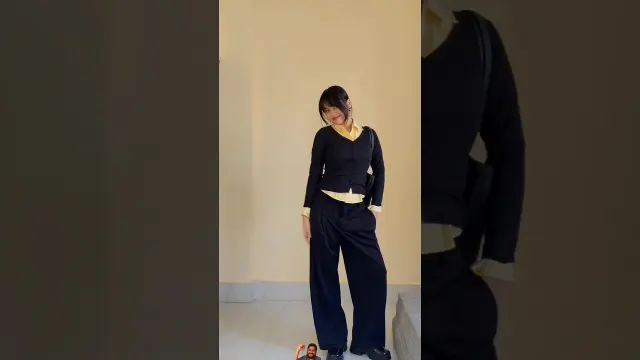
 College Outfit Ideas for Everyday Campus Looks
#Campus Style
2 ideas
College Outfit Ideas for Everyday Campus Looks
Get new #Campus Style ideas by email
Every Thursday: the week's best ideas, with the newest from #Campus Style.
Related tags
Campus Style: Everyday Outfit Ideas for Student Life
Campus style is the way students dress for the ordinary business of a school or university day: getting to lectures, sitting in libraries, walking between buildings, meeting friends, staying out later than planned. It is not one aesthetic so much as a way of dressing that has to survive a long, varied day. That practical demand is what gives it its character — comfortable enough to move in, presentable enough to feel put together, simple enough to dress for in the morning without much thought.
Where it comes from
The look grew out of the clothing students have always worn between home and class. In the past century, university life borrowed from sportswear, workwear and menswear in turn, and each borrowing settled into something familiar: the sweatshirt, the blazer, the jeans, the canvas trainer. What kept it alive was not fashion but repetition. Students own fewer clothes and wear them constantly, so campus style has always rewarded pieces that hold up, layer easily and forgive being worn twice in a week.
The main directions
Read more
Most campus wardrobes fall into a few recognisable modes.
- Casual and athletic: sweatshirts, joggers, trainers, caps. Built for comfort and long days, and easy to make look deliberate when the fit is right.
- Smart casual: knitwear, trousers, a blazer or overshirt, loafers or clean sneakers. Useful for presentations, interviews and days that mix study with social plans.
- Vintage and thrift-led: denim, corduroy, oversized outerwear, printed pieces. Often cheaper and more personal than new clothing.
- Minimal and neutral: a small set of plain pieces in a restrained palette, worn in rotation. Less to decide each morning.
Many people mix these freely, which is part of the appeal.
What beginners should know
Start with the day you actually have rather than the outfit you wish you had. If you walk a lot, carry a bag, sit on floors and stay out late, your clothes need to allow for that. Choose fabrics that tolerate repeated wear and washing, and favour pieces you can layer, since buildings are often too warm or too cold.
Build around a few reliable foundations: well-fitting trousers or jeans, a couple of plain tops, a warm layer, and shoes you can walk in for hours. Then add personality through one or two elements — a colour, a jacket, an accessory — rather than across the whole outfit.
Practical tips
Fit matters more than price; a simple garment that sits well looks better than an expensive one that does not. Keep a small rotation of outfits you already know work, so rushed mornings cost you nothing. Consider one slightly smarter combination kept aside for occasions that call for it. And give yourself permission to repeat: campus style has always been built on favourite clothes worn often, not on constant novelty.
#Campus Style: frequently asked questions
How do I start building a campus style wardrobe?
Begin with the day you actually live rather than an outfit you admire on someone else. Note how much you walk, whether you carry a bag, and how long you are out, then pick clothes that let you do all of that comfortably. Once a few pieces work in real conditions, the look tends to follow on its own.
What pieces does a beginner actually need for campus style?
A small core does most of the work: bottoms that fit well, plain tops that wash and wear repeatedly, a warm layer you can add or remove, and shoes you can walk in for a long stretch. Everything beyond that is personality rather than necessity, so add it slowly. Layering matters because buildings swing between overheated and cold within the same day.
Which campus style direction should I choose?
Pick the one that matches your actual schedule instead of your ideal one. Athletic and casual suits long walking days and back-to-back classes, smart casual earns its place when presentations or interviews appear, thrift-led pieces give you something more personal on a small budget, and a neutral rotation keeps mornings decision-free. Most people end up blending a couple of these, which is normal and usually looks better than sticking rigidly to one.
How do I keep campus clothes looking good through constant wear?
Choose fabrics that survive frequent washing without losing shape, and treat fit as the thing worth checking before anything else. A plain garment that sits properly on you will outlast a fancier one that does not. Rotating a few outfits you already trust saves both your clothes and your mornings.
What should I wear for a smarter campus occasion?
Keep one slightly dressier combination ready for presentations, interviews or events, built from pieces you already wear rather than something bought for a single day. Refining what you have, such as a knit instead of a sweatshirt or a cleaner shoe, usually reads as more put together than a full new outfit. Comfort still matters, since these days rarely end when the formal part does.
What mistakes do people make with campus style?
The common one is dressing for an imagined day instead of the real one, which leaves you uncomfortable by mid-afternoon. Another is spreading personality across the whole outfit at once, when one or two elements carry more impact and are easier to repeat. And treating repeated outfits as a failure misses the point, since this way of dressing has always been built on favourite clothes worn often.
Videos come from YouTube and posts from Instagram; titles and summaries are our own. All rights belong to their creators.