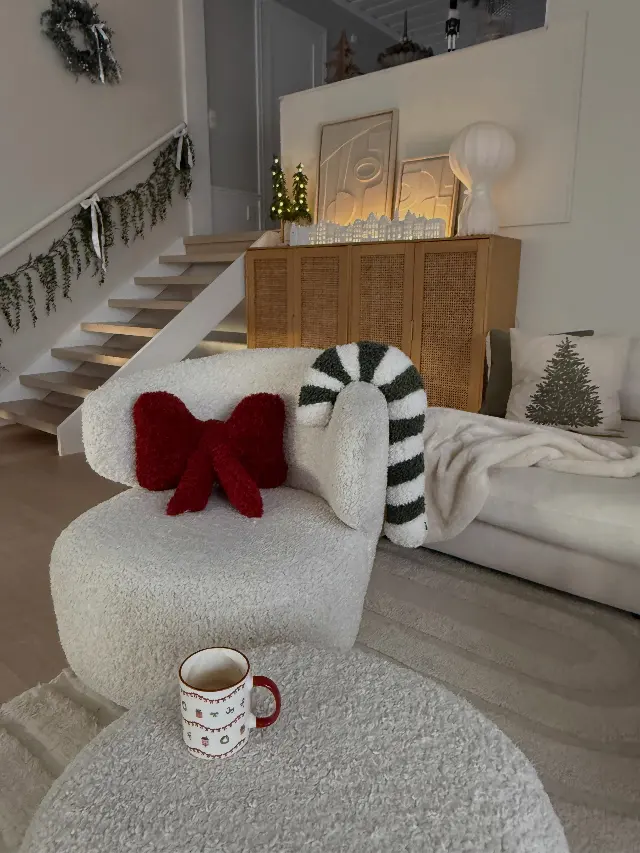
 Candleholders out early as the first snow arrives
#Candleholders
1 ideas
Candleholders out early as the first snow arrives
Get new #Candleholders ideas by email
Every Thursday: the week's best ideas, with the newest from #Candleholders.
Related tags
Candleholders: A Guide to Choosing, Styling and Caring for Them
A candleholder does one simple job — it holds a candle upright and keeps the flame away from whatever is underneath it. Yet it is one of those objects that has never really left our homes, because it solves a practical problem and looks good doing it. Long before electric light, holders of iron, brass, clay and wood stood on tables and hung on walls. Today they are chosen mostly for atmosphere, though the practical side never went away.
The main kinds
Candleholders fall into families, and the differences matter when you are buying.
- Taper holders: slim, upright stems for long, narrow dinner candles. They usually hold a single candle in a socket and look best in pairs or in a row along a table.
- Pillar and block holders: wider, heavier pieces, often plates or low cylinders, made to sit under thick candles so they cannot tip.
- Votive and tealight holders: small cups and glasses that contain a short candle completely. These are the easiest to scatter around a room.
- Candelabra: branched holders for several candles at once, traditionally a centrepiece.
- Wall sconces and hanging lanterns: holders fixed to a wall or suspended, useful where surface space is short.
Read more
Materials and what they do
Metal holders — brass, iron, steel — are sturdy and age into a patina that many people prefer to a polished finish. Glass and crystal catch the flame and throw it around; they suit small votives particularly well. Ceramic and stoneware are quiet and matte, good for a calm table. Wood is warm and light but needs a stable base. Stone and marble give weight, which is exactly what a tall taper needs. None of these is better than the others; the right choice depends on the candle, the surface, and whether children or pets are likely to brush past.
Choosing well
Start with the candle, not the holder. A holder must match the candle's diameter closely — too wide and the candle wobbles, too narrow and it will not sit at all. For tapered candles, a slight taper inside the socket helps the candle stand straight. Look for a base wider than the top, especially with tall candles, and check that the holder is heavy enough not to tip if knocked. If you plan to let candles burn down, choose a holder with a rim or a dish that will catch the wax.
Using them safely
A few habits keep candlelight a pleasure rather than a worry. Keep holders on stable, heat-resistant surfaces and away from curtains, shelves above, and anything that can drift. Never leave a burning candle unattended, and keep them well out of reach of children and pets. Trim the wick before lighting so the flame stays small and even, and let the wax cool completely before moving a holder. Glass in particular can crack under sudden temperature change. Extinguish rather than blow hard if the flame sputters.
A little care
Wax comes off metal and glass more easily once it has hardened — a short spell in warm water usually loosens it. Dry metal thoroughly to keep it from marking, and wash glass gently. Stored well and cleaned now and then, a good holder will outlast many of the things around it.
Videos come from YouTube and posts from Instagram; titles and summaries are our own. All rights belong to their creators.