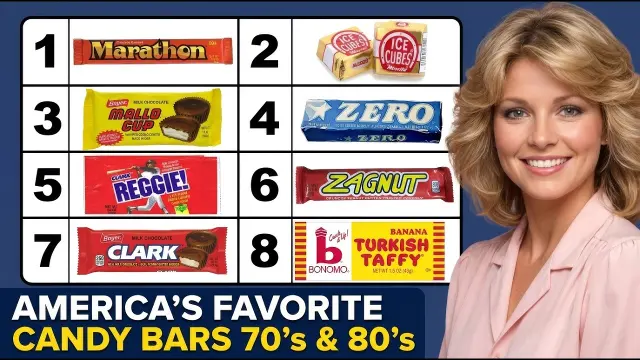
 Twenty Classic Discontinued Candy Bars from Childhood
#Candy Bars
13 ideas
Twenty Classic Discontinued Candy Bars from Childhood
 Ten Discontinued Candy Bars That Disappeared Unnoticed
 History, Taste Test and Review of Zero Bars
 How to Make Homemade Payday Candy Bars
 How to Make Your Own Homemade Almond Joy and Mounds Bars
 How to Make Butterfinger Candy Bars at Home
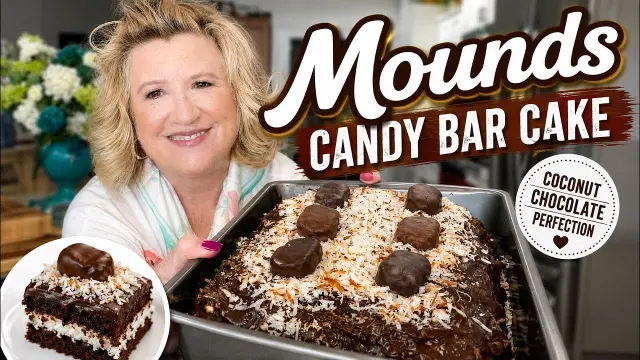 Easy Mounds Candy Bar Cake with Chocolate Ganache
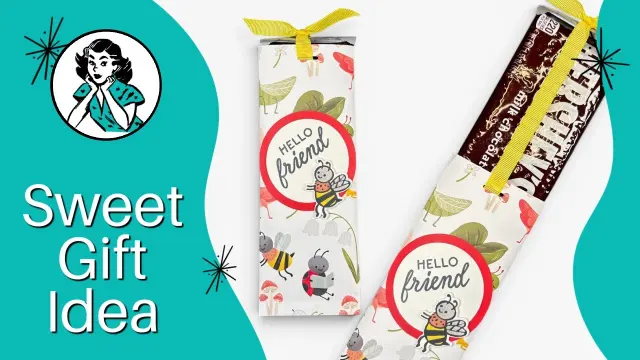 Easy Candy Bar Slider Gift Holder Tutorial
 Fifteen Classic American Candy Bars We Lost
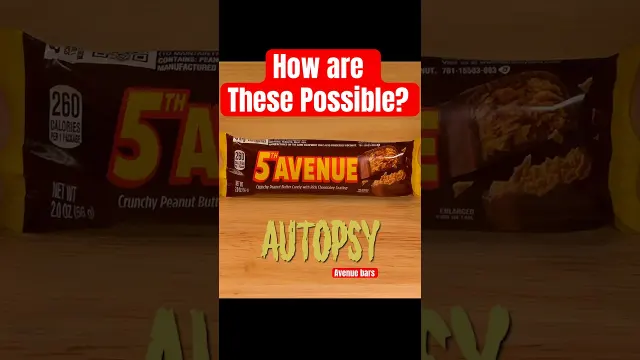 History, Taste Test and Review of Classic 5th Avenue Bars
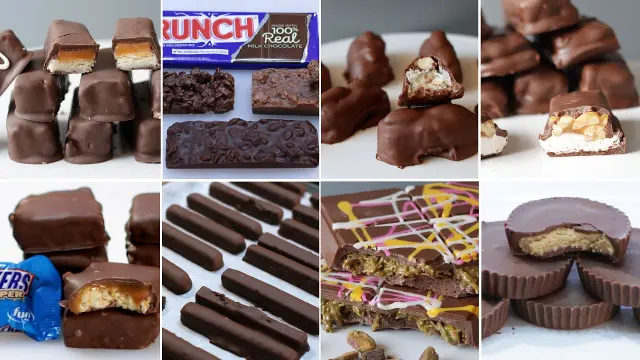 Eight Copycat Homemade Candy Bar Recipes to Try
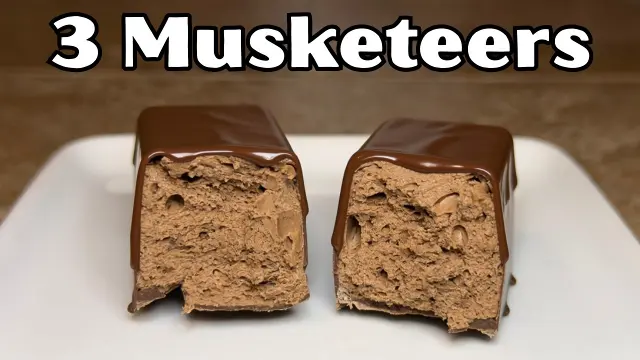 How to Make Homemade 3 Musketeers Candy Bars
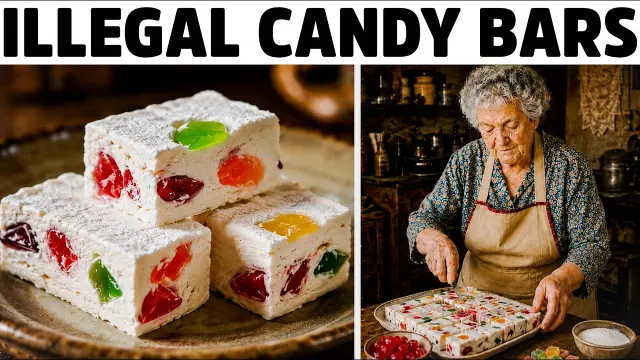 A Nostalgic Look at 25 Vintage Candy Bars From the 1970s
Get new #Candy Bars ideas by email
Every Thursday: the week's best ideas, with the newest from #Candy Bars.
Related tags
Candy Bars: A Sweet Guide to the Classic Treat
Candy bars are one of the most familiar forms of confectionery: a sweet treat made in a compact bar shape, usually combining chocolate, caramel, nougat, nuts, wafers, crisped rice, or other fillings. They are popular because they are easy to carry, easy to portion, and come in endless combinations of textures and flavors. Whether you like something chewy, crunchy, nutty, or smooth, there is usually a candy bar that fits the mood.
What candy bars are
At their simplest, candy bars are layered sweets wrapped for individual eating. The outer coating is often chocolate, but some bars use caramel, peanut butter coating, nougat, or a candy shell instead. Inside, the filling may be soft and airy, dense and chewy, or crisp and flaky. Many candy bars are designed to balance sweetness with salt, crunch, or a little bitterness from cocoa.
Where they come from
Read more
Candy bars grew out of the wider tradition of chocolate and sugar confections, which became more widely available as sugar refining, chocolate processing, and mass packaging developed. Over time, confectioners learned to make sweets that were portable, shelf-stable, and appealing in a familiar bar shape. This made candy bars a practical everyday treat as well as a small indulgence.
Common kinds and styles
There are many kinds of candy bars, but several broad styles are especially common:
- Chocolate-covered bars with nougat, caramel, or nuts
- Nut bars that focus on peanuts, almonds, or other nuts
- Wafer bars with thin, crisp layers
- Caramel bars with a chewy center
- Crispy rice or puffed cereal bars
- Fudge or cream-filled bars
- Peanut butter bars and other nut-butter fillings
Some bars lean toward a soft, melt-in-the-mouth texture, while others are meant to give you a mix of chew and crunch. Many also combine salty and sweet elements for contrast.
How they’re made
Candy bars are usually made by preparing a filling, shaping it into bars, and then coating or finishing it. Chocolate bars may be formed in molds, while layered bars are built up and cut into pieces. Commercial versions are often produced so they keep their shape and texture during storage. Homemade versions can be simpler, using melted chocolate, chopped nuts, caramel, cookies, or cereal for a more rustic result.
What to know if you’re buying or making them
If you’re choosing a candy bar, think about texture first. Do you want something soft and chewy, crisp, or rich and creamy? Ingredients matter too: some bars contain nuts, dairy, or gluten, so it’s worth checking if you have allergies or sensitivities.
If you make candy bars at home, work in layers and let each one set properly before adding the next. Use a lined pan for easy removal, and cut bars with a sharp knife after they’ve cooled. Keep in mind that chocolate can soften in warm rooms, so storing bars in a cool, dry place helps them hold their shape.
A small treat with lasting appeal
Candy bars have stayed popular because they are simple, satisfying, and endlessly adaptable. You can enjoy them as a quick snack, a dessert, or an occasional treat with coffee or tea. Their charm lies in the combination of convenience and comfort: a small square or rectangle that can hold a surprising amount of flavor and texture.
Videos come from YouTube and posts from Instagram; titles and summaries are our own. All rights belong to their creators.