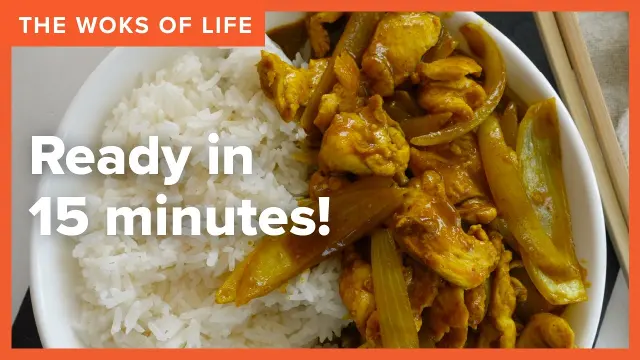
 Fifteen Minute Cantonese-Style Chicken Curry Stir-Fry
#Cantonese Cooking
1 ideas
Fifteen Minute Cantonese-Style Chicken Curry Stir-Fry
Get new #Cantonese Cooking ideas by email
Every Thursday: the week's best ideas, with the newest from #Cantonese Cooking.
Related tags
Cantonese Cooking: A Beginner's Guide to the Basics
Cantonese cooking comes from Guangdong province in southern China, centred on the Pearl River Delta and the cities of Guangzhou and Hong Kong. Sitting on a long coastline with a warm, wet climate, the region has always had access to fresh seafood, year-round vegetables and rice, and its cooking grew around those advantages rather than around preserving or masking them. The guiding idea is simple: good ingredients need little help.
What makes it different
Where other Chinese regional cuisines lean on chilli, Sichuan pepper or heavy braising sauces, Cantonese food is deliberately quiet. Seasoning is light — a splash of soy, a spoon of oyster sauce, ginger and spring onion — and the aim is to taste the ingredient itself. Texture matters as much as flavour: a stir-fry should keep its crunch, fish should be just set, and rice should be separate and fragrant rather than soft.
Core techniques
Read more
- Stir-frying over high heat in a wok. The goal is speed and a faint smokiness that comes from a very hot pan and small batches, never from crowding the wok.
- Steaming, often over simmering water with ginger and spring onion, which keeps delicate fish and egg dishes tender.
- Velveting: marinating sliced meat briefly with cornstarch, a little liquid and sometimes egg white so it stays silky in the pan.
- Double-boiling, where a covered pot sits in simmering water for hours to make clear, gentle soups.
- Roasting and air-drying, the method behind crisp-skinned meats hung and dried before cooking.
The pantry
You can cook a great deal with a short list: light soy sauce for seasoning, dark soy for colour, oyster sauce for body, sesame oil for aroma at the end, Shaoxing-style rice wine, cornstarch, white pepper, ginger, garlic and spring onion. Freshness does the rest. A rice cooker and a wok or a wide, heavy frying pan will take you a long way.
For beginners
Prepare everything before the heat goes on. Cantonese stir-frying moves fast, and once the wok is hot there is no time to chop. Cut ingredients into even, bite-sized pieces so they cook at the same rate. Keep the pan hot and cook in batches rather than piling everything in at once.
Taste as you go and season at the end, not the start; soy sauce reduces and concentrates quickly. Use white pepper rather than black for a cleaner, warmer heat, and add sesame oil off the heat so its perfume survives.
Finally, resist adding more. Restraint is the technique, and the confidence to leave a dish alone is the part that takes longest to learn.
#Cantonese Cooking: frequently asked questions
What makes Cantonese cooking different from other Chinese cuisines?
It comes from Guangdong in southern China, where a warm coastal climate gave cooks constant access to fresh seafood, vegetables and rice, so the cooking grew around showing those ingredients off rather than preserving or hiding them. Seasoning stays light — a little soy, oyster sauce, ginger and spring onion — and dishes are built to taste quiet rather than hot or heavily braised. Texture counts as much as flavour, so stir-fries keep their crunch and fish is served just set.
What do I actually need in the kitchen to start cooking Cantonese food?
A wok, or a wide heavy frying pan if you don't have one, plus a rice cooker will cover most of it. For the pantry, keep light soy for seasoning, dark soy for colour, oyster sauce, sesame oil, rice wine, cornstarch, white pepper, and fresh ginger, garlic and spring onion. That short list plus good fresh ingredients is genuinely enough to cook a wide range of dishes.
How should a complete beginner approach their first Cantonese dish?
Chop and measure everything before the heat goes on, because once the wok is hot there is no time to prep. Cut ingredients into even, bite-sized pieces so they finish cooking together, and cook in small batches instead of piling everything in. Quick stir-fries are the friendliest place to start, since they teach heat control and timing without demanding long preparation.
What are the most common mistakes people make?
Overcrowding the pan is the big one — it drops the heat and steams the food instead of searing it, so the crunch and faint smokiness never happen. Seasoning too early is another, since soy reduces and concentrates fast, so taste as you go and adjust at the end. The hardest habit to learn is restraint: adding sesame oil off the heat and then leaving a dish alone usually beats adding more.
What dishes work well for a family meal or a special occasion?
Steamed fish with ginger and spring onion is the classic centrepiece, and a double-boiled soup made by sitting a covered pot in simmering water gives you a clear, gentle broth to serve alongside. Crisp-skinned roast meats, air-dried before cooking, suit a celebration table, while a quick chicken stir-fry handles an ordinary weeknight. Balance the menu by pairing one steamed or soupy dish with something stir-fried and something roasted.
Videos come from YouTube and posts from Instagram; titles and summaries are our own. All rights belong to their creators.