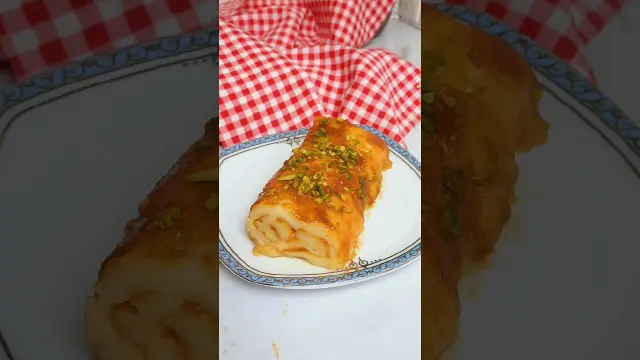
 Caramelized Milk Pudding Kazandibi Recipe
#Caramel
2 ideas
Caramelized Milk Pudding Kazandibi Recipe
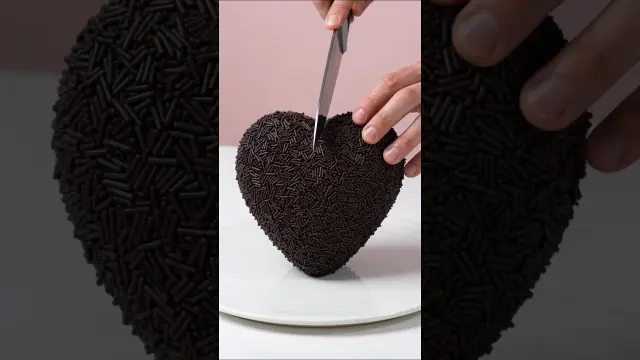 Black Heart Chocolate Dessert With Caramel Center
Get new #Caramel ideas by email
Every Thursday: the week's best ideas, with the newest from #Caramel.
Related tags
Caramel: A Sweet Guide to the Classic
What caramel is
Caramel is a sweet, amber-coloured food made by heating sugar until it melts, changes flavour, and deepens in colour. At its simplest, it can be just sugar cooked carefully until it turns golden and nutty. In richer forms, it may include butter, cream, milk, or salt, which make it softer, smoother, or more complex.
People have used caramel in sweets and desserts for a long time, especially in European confectionery and home baking. Today, it appears in sauces, fillings, candies, custards, glazes, and drinks. It is valued for its warm flavour, glossy finish, and ability to add both sweetness and depth.
Common kinds of caramel
Read more
There are several familiar forms of caramel, and each behaves a little differently:
- Hard caramel: cooked to a higher stage so it sets firmly and can be used for candies or decorative pieces.
- Soft caramel: includes dairy or fat, giving a chewy or spoonable texture.
- Caramel sauce: a pourable version used over cakes, puddings, ice cream, and fruit.
- Dry caramel: made by melting sugar without water first; it gives a deeper flavour but needs careful attention.
- Wet caramel: made with sugar and water; it takes longer but is often easier for beginners because the sugar dissolves more evenly.
- Salted caramel: caramel with a little salt added to balance the sweetness and sharpen the flavour.
How caramel is made
Making caramel is mostly about control. Sugar changes quickly once it starts to colour, so the difference between golden and burnt can be brief. For that reason, gentle heat and patience matter more than speed.
If you are new to caramel, start with a simple sauce. Use a heavy pan, keep the heat moderate, and avoid stirring too much once the sugar begins to colour. Swirling the pan is often safer than stirring, because it helps the sugar cook evenly without crystallising.
A few practical tips can help:
- Use a clean pan and clean utensils to reduce crystallisation.
- Watch the colour closely; caramel should smell rich and toasted, not bitter.
- Add cream or butter carefully, as the mixture can bubble strongly.
- If crystals form on the sides of the pan, wipe them away with a damp brush.
- Let hot caramel cool before tasting, because it stays extremely hot.
Ways to use caramel
Caramel is one of the most versatile sweet flavours in the kitchen. You can drizzle it over cakes, layer it into custards, stir it into creams, or use it as a filling for chocolates and pastries. It pairs well with chocolate, apples, pears, bananas, nuts, vanilla, and dairy-based desserts. It can also bring a pleasant contrast to salty or bitter flavours.
In baking, caramel may appear as a topping, a sauce, or a baked layer. In confectionery, it can be shaped into soft chews, brittle candies, or smooth centres. In everyday cooking, even a small amount can transform a simple dessert into something richer and more inviting.
A few final tips
Caramel rewards attention, not force. If it darkens too quickly, lower the heat next time and work more slowly. If it tastes too sweet, add a little salt or pair it with something creamy, tart, or bitter. Once you learn how sugar behaves, caramel becomes a reliable and beautiful ingredient to keep in your cooking.
Videos come from YouTube and posts from Instagram; titles and summaries are our own. All rights belong to their creators.