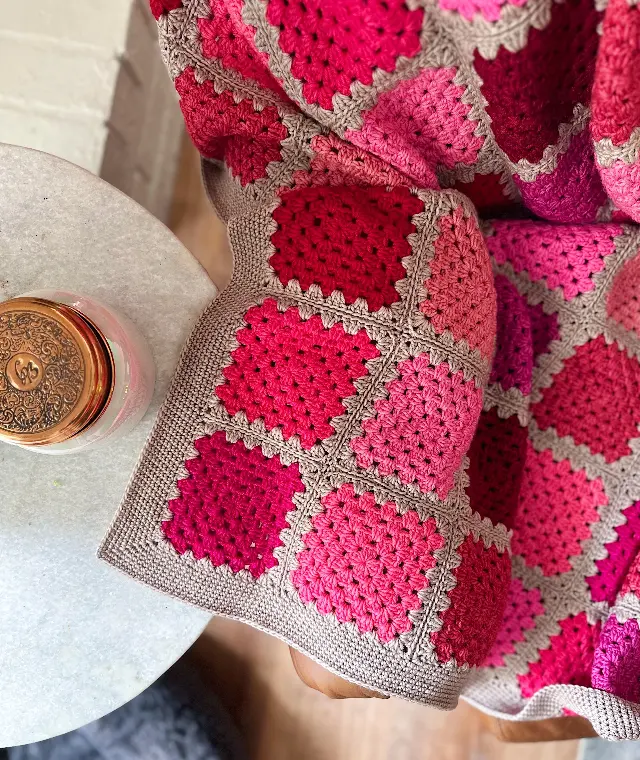
 Cashmere DK Granny Square Blanket Project
#Cashmere Yarn
1 ideas
Cashmere DK Granny Square Blanket Project
Get new #Cashmere Yarn ideas by email
Every Thursday: the week's best ideas, with the newest from #Cashmere Yarn.
Related tags
Cashmere Yarn: A Guide to Softness, Warmth and Care
Cashmere is one of the softest fibres you can hold in your hands. It comes from the downy undercoat of the cashmere goat, an animal that lives in the high, cold plateaus of Central Asia, the Himalayas and neighbouring regions. To survive harsh winters, the goat grows a fine underlayer beneath its coarse outer hair; in spring, as the weather warms, that undercoat loosens and is combed out by hand or by gentle machine. The two coats are then separated in a process called dehairing, and only the soft down goes on to become yarn.
What makes cashmere so special is the fineness of the individual fibres, which are thinner than those of most other animal fibres, and the way they trap warmth without weight. A cashmere garment can feel almost airy while keeping you genuinely warm.
How the yarn is spun
Cashmere fibre is short compared with wool, so it is usually spun with a little twist and often plied two or more strands together for strength. Two-ply yarns are common and give good stitch definition with a soft halo. You will also find cashmere blended with merino, silk or other fibres; silk adds drape and sheen, wool adds resilience, and blends can make an expensive fibre go further and wear better. Hand-spun and heavier weights exist, but fine and light yarns are the most typical.
Read more
What to make with it
Cashmere suits pieces worn close to the skin: scarves, cowls, delicate shawls, lightweight cardigans, baby garments, gloves and hats. Lace patterns show off its gentle bloom, while simple stocking stitch lets the texture speak for itself. Larger items such as blankets are possible but require patience and a generous budget, so many makers combine cashmere with a stronger yarn for structure.
What beginners should know
Always knit a swatch and wash it before you begin, because cashmere yarn can relax and open up after its first bath. Choose simple shapes first: the fibre is soft and luxurious, but it is not the most hard-wearing, and tight stitch patterns or heavy stress points show wear sooner. Pilling is normal in the first weeks of wear as loose fibres work their way out; remove pills gently rather than tugging at them. Keep your tension relaxed, since fine cashmere has little elasticity and a tight grip can make the fabric stiff.
Caring for cashmere
Wash by hand in cool water with a mild wool-friendly soap, press the water through the fabric rather than rubbing, rinse carefully, and roll the piece in a towel to remove moisture. Dry it flat, shaped to its original measurements, away from direct heat and sunlight. Fold cashmere for storage instead of hanging it, and protect it from moths with a clean, sealed container and a natural repellent such as cedar. With gentle handling, cashmere rewards you by growing softer with each wear.
#Cashmere Yarn: frequently asked questions
What is cashmere yarn actually made from, and why does it feel so different from wool?
It comes from the soft downy undercoat that the cashmere goat grows beneath its coarser outer hair to survive very cold winters; that undercoat is combed out in spring and separated from the guard hair before spinning. Because the individual fibres are extremely fine and hold warmth without bulk, the finished fabric feels light, airy and exceptionally soft against the skin.
Is cashmere a good choice for a first sweater or a beginner project?
It can be, if you keep the shape simple and the stitchwork uncomplicated. The fibre is luxurious but not especially hard-wearing, so dense stitch patterns and high-stress seams tend to show wear early. Always work a swatch and wash it before casting on, since the yarn relaxes and opens up after its first bath.
Should I buy pure cashmere or a blend?
Both have a place. Pure cashmere gives you the softest hand and the most bloom, while blending it with merino adds resilience, or with silk adds drape and sheen. Blends also stretch a costly fibre further and can wear better in pieces that get a lot of use.
What kinds of projects suit cashmere yarn best?
Anything worn close to the skin works beautifully: scarves, cowls, delicate shawls, lightweight cardigans, gloves, hats and baby garments. Lace shows off the gentle halo, while plain stocking stitch lets the texture do the talking. Larger pieces like blankets are possible but hungry on yarn, so many makers pair cashmere with a stronger yarn for structure.
How do I wash and store a cashmere piece so it lasts?
Hand-wash in cool water with a mild wool-friendly soap, pressing the water through rather than rubbing, then rinse and roll the piece in a towel to draw out moisture. Dry it flat and shaped to its original measurements, away from direct heat and sun. Store it folded rather than hung, in a clean sealed container with a natural repellent such as cedar.
Why is my cashmere pilling, and what mistakes should I avoid?
Pilling in the first weeks is normal, as short loose fibres work their way to the surface, and the answer is to remove the pills gently rather than tugging at them. Two other common mistakes are gripping the yarn too tightly, which makes fine, low-elasticity cashmere feel stiff, and skipping the washed swatch before you begin.
Videos come from YouTube and posts from Instagram; titles and summaries are our own. All rights belong to their creators.