 A Collection of Comforting Potato Recipes
#Casserole
3 ideas
A Collection of Comforting Potato Recipes
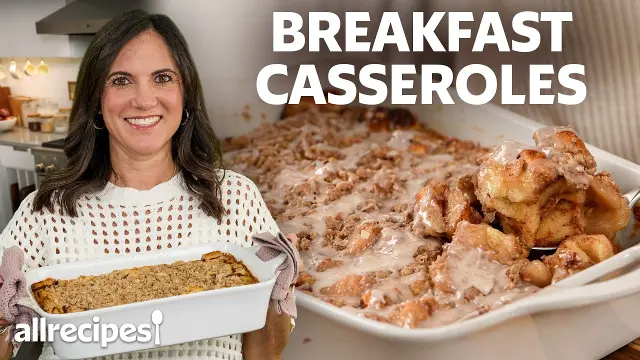 Five holiday breakfast casseroles to make again and again
Get new #Casserole ideas by email
Every Thursday: the week's best ideas, with the newest from #Casserole.
Related tags
Casseroles: What They Are and How to Make Them
A casserole is a dish made by combining ingredients in a deep ovenproof dish and baking them until everything is heated through, tender, and well blended. The word often refers both to the dish itself and to the pan used to make it. Casseroles are valued for being practical, comforting, and easy to share, which is why they have become a staple in many home kitchens.
What a casserole is
At its simplest, a casserole is a one-pan meal or side dish. It usually includes a base such as rice, pasta, potatoes, vegetables, or beans, along with a protein, sauce, or binder, then a topping such as breadcrumbs, cheese, or a mashed layer. Some casseroles are rich and creamy, while others are light and vegetable-focused. Many are designed to be assembled ahead of time and baked later, which makes them especially useful for everyday cooking.
Where casseroles come from
Read more
Casserole-style cooking has deep roots in home cooking around the world. The idea is old: combine ingredients in a dish, cook them slowly, and serve them from the same vessel. In different cuisines, you will find similar baked dishes made with local grains, vegetables, meats, sauces, and cheeses. The modern casserole is closely tied to practical home kitchens, where people wanted meals that were affordable, filling, and easy to manage.
Common kinds of casseroles
Casseroles can be savory or sweet, and they fit many occasions. Some familiar kinds include:
- Breakfast casseroles, often made with eggs, bread, cheese, vegetables, or breakfast meats
- Vegetable casseroles, which may feature squash, beans, broccoli, cauliflower, or leafy greens
- Pasta casseroles, such as baked macaroni dishes
- Potato casseroles, including layered or mashed versions
- Rice casseroles, often mixed with vegetables, broth, or sauce
- Sweet casseroles and baked desserts, sometimes made with fruit, custard, or bread
Basic techniques and good habits
If you are new to casseroles, it helps to think in layers. Start with ingredients that cook at about the same rate, or pre-cook anything that needs longer baking time. Cut vegetables into similar sizes so they cook evenly. Use enough moisture to keep the dish from drying out, but not so much that it becomes watery.
A few simple tips can help:
- Grease the baking dish lightly so food does not stick
- Season each layer for better flavor
- Cover the dish if the top is browning too quickly
- Let the casserole rest a little after baking so it sets and serves neatly
How to make casseroles work for you
Casseroles are forgiving, which makes them a good choice for beginners. You can often adapt them to what you already have in the kitchen. Leftover vegetables, cooked grains, or small amounts of meat can all find a place in a casserole. If you want a balanced dish, aim for some structure, some moisture, and something that binds the ingredients together.
A casserole can be plain or richly layered, everyday or special enough for guests. What matters most is balance: textures that work together, flavors that complement one another, and a dish that bakes into something satisfying and easy to serve.
Videos come from YouTube and posts from Instagram; titles and summaries are our own. All rights belong to their creators.