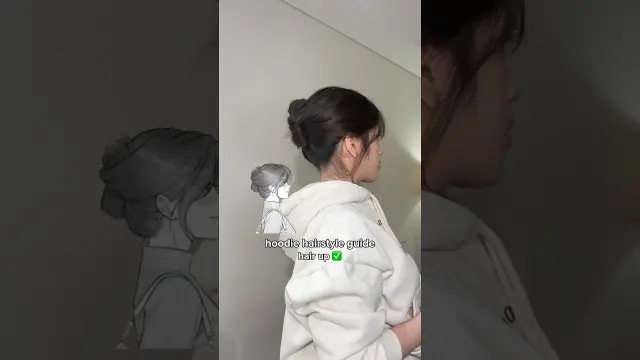
 Hoodie hairstyle guide for wearing hair under a hood
#Casual Hairstyles
1 ideas
Hoodie hairstyle guide for wearing hair under a hood
Get new #Casual Hairstyles ideas by email
Every Thursday: the week's best ideas, with the newest from #Casual Hairstyles.
Related tags
Casual Hairstyles: Easy Everyday Looks
Casual hairstyles are the looks we reach for on ordinary days: hair that is comfortable, quick to arrange and easy to live with from morning to evening. They sit at the opposite end of the spectrum from formal styling, where structure, hold and symmetry matter. A casual look can still be deliberate and flattering, but it should never look laboured. The aim is hair that moves, softens the face and suits whatever the day actually holds.
Where the idea comes from
Loosened hair has always been part of daily life, but the idea of a casual style as something worth choosing rather than merely settling for grew alongside the way people dress. As everyday clothing became more relaxed, hairstyles followed: hair left loose, gathered quickly, or pinned back without precision. What once read as undone now reads as intentional, and the line between "just got up" and "styled to look that way" is exactly where casual hairstyles live.
The main kinds
Read more
Most casual styles fall into a few families. Loose and flowing hair, worn straight, wavy or curly, is the simplest. Gathered styles, such as a ponytail, a low bun or a half-up look, keep hair out of the way without formality. Braids, from a single loose plait to two simple ones, add texture while staying practical. Clipped and pinned styles use a few grips or a claw clip to hold hair back at the sides. Textured looks, built with waves or gentle volume, give the impression of hair that has simply been left alone.
What beginners should know
Start with hair that is clean but not squeaky: freshly washed hair can be slippery and hard to shape, while hair a day old usually holds better. Work with your natural texture rather than against it, since fighting your own hair takes time you probably do not have. Learn two or three styles thoroughly instead of ten badly. A little texture spray, dry shampoo or a light styling cream can give grip and shape without stiffness, and a handful of pins and a good hair tie will carry you through most days.
Practical tips
- Loosen tight sections slightly after pinning; the softness is what makes a style read as casual.
- Leave a few strands free around the face rather than pulling everything back sharply.
- Use the hairdryer briefly at the roots for volume instead of over-styling the lengths.
- Keep a small kit in your bag: a spare tie, a couple of pins and a comb fix most problems.
- If hair is prone to frizz, apply product to damp hair rather than dry, and avoid over-handling.
- Give a simple style a deliberate finish, such as a neat parting or a smooth section at the front, so it looks chosen rather than neglected.
Casual hairstyles work best when they fit your hair and your routine. A look you can put together in a few minutes and forget about until evening will always serve you better than one that demands constant attention.
#Casual Hairstyles: frequently asked questions
How do I start with casual hairstyles if I've never really styled my hair?
Begin with the texture you already have instead of trying to force your hair into something it resists, since fighting your own hair takes more time than most mornings allow. Learn a small handful of looks really well rather than attempting many badly, and practise them on days when nobody is waiting for you. Hair that isn't freshly washed usually holds a shape better, so a style attempted on second-day hair is often the easier place to start.
What should I keep on hand to put a casual style together quickly?
A good hair tie, a few pins and a comb cover most everyday situations, and keeping a small version of that kit in your bag saves plenty of afternoons. A light styling cream, texture spray or dry shampoo gives grip and shape without leaving hair stiff or sticky. The point is to have enough grip to shape the hair, not so much product that it stops moving.
How do I choose which casual style suits my hair and my day?
Think first about what the day actually asks of you: hair left loose and flowing is the simplest option, gathered styles such as a ponytail or low bun keep it out of the way, and braids add texture while staying practical. Clipped and pinned looks are useful when you only want hair held back at the sides, while gently textured waves suit anyone who likes the idea of hair that looks simply left alone. Match the choice to your natural pattern so the style needs little correcting later.
Why does my relaxed hairstyle look untidy instead of effortless?
The difference usually comes down to a deliberate finish: a neat parting, a smooth section at the front or a few loose strands framing the face make a quick style read as chosen. Tight sections pulled flat tend to look severe, so loosen them slightly once pinned and let the softness show. Handling the hair too much works against you, so stop adjusting once the shape sits the way you want it.
Can a casual style work for an occasion, not just an ordinary day?
Yes, a relaxed look carries through to lunches, evenings out and celebrations as long as the finish is intentional. Soft waves with a little volume, a half-up style or a loose braid all feel dressed without becoming formal, and a single decorative clip or a smooth front section lifts them further. What matters is that the hair still moves and frames the face rather than sitting rigidly in place.
How do I stop frizz and slipping when I wear my hair casually?
Apply any product to damp hair rather than dry, because smoothing something through wet hair distributes it evenly and tames the surface before it fluffs up. Avoid over-handling once the style is set, since touching hair repeatedly is what roughs up the cuticle and undoes the shape. If hair is slippery and refuses to stay put, a little texture or a grip in the section you are pinning holds far better than adding more pins.
Videos come from YouTube and posts from Instagram; titles and summaries are our own. All rights belong to their creators.