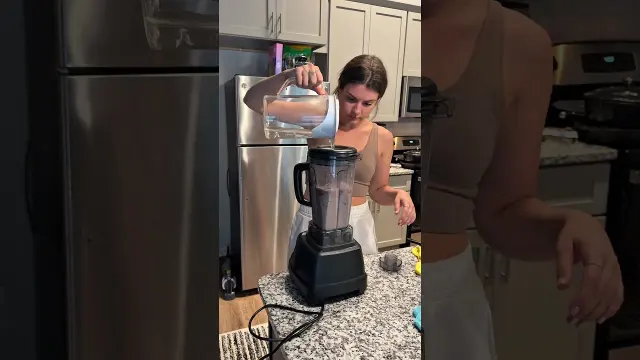
 Healthy Homemade Cat Food Recipe Tutorial
#Cat Food
3 ideas
Healthy Homemade Cat Food Recipe Tutorial
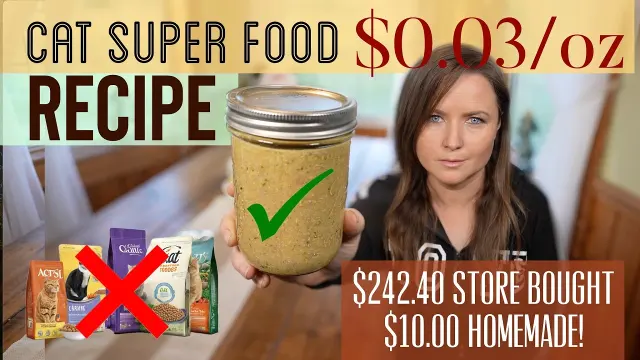 Budget-Friendly Nutritious Homemade Cat Food Recipe
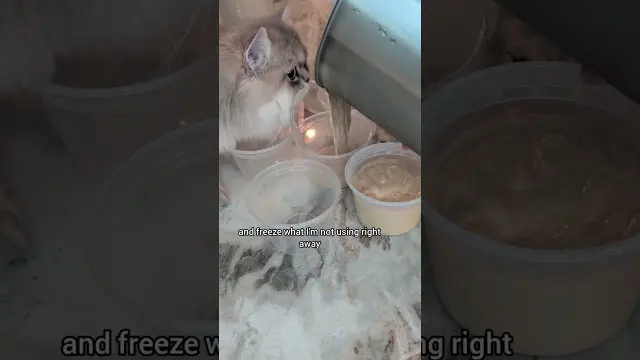 Simple Guide to Making Wet Cat Food at Home
Get new #Cat Food ideas by email
Every Thursday: the week's best ideas, with the newest from #Cat Food.
Related tags
Cat Food: Types, Ingredients and Feeding Basics
Cat food is any food made to meet a cat’s nutritional needs. Because cats are obligate carnivores, they need animal-based nutrients in the right balance, especially protein, fat, water, and certain vitamins and minerals. Good cat food is not just about filling the bowl; it should support everyday health, energy, and digestion.
What cat food is
Commercial cat food is usually formulated to be complete and balanced, meaning it is designed to provide the nutrients a cat needs as a regular diet. It comes in different forms, mainly dry kibble, canned or pouch food, and less commonly semi-moist or special veterinary diets. Each form has its place, and many cat owners use a mix depending on their cat’s preferences and needs.
Dry food is convenient, easy to store, and often used for free feeding in some households. Wet food contains more moisture, which can be helpful for cats that do not drink enough water. Many cats enjoy a combination of both, as long as portions are measured carefully.
Read more
Main kinds and styles
The most common types of cat food include:
- Dry food: crunchy, shelf-stable, and easy to serve
- Wet food: moist, soft, and often very palatable
- Homemade food: prepared at home, usually with meat and supplements
- Prescription or veterinary diets: made for specific health concerns and used with professional guidance
Homemade cat food can seem appealing, but it is important to know that cats need more than plain cooked meat. A truly balanced homemade diet usually requires careful planning and the right supplementation. Without that, it can be incomplete over time.
Ingredients to look for
A sensible cat food is built around animal protein. Cats generally do best with recipes that list meat, poultry, or fish as key ingredients. Water content, digestibility, and nutrient balance matter more than marketing language.
When checking labels, it is helpful to look for:
- Clear sources of animal protein
- A statement that the food is complete and balanced
- Appropriate life-stage feeding directions
- Simple ingredient lists that make sense to you
Be cautious with foods that rely heavily on fillers or vague descriptions. Also, some human foods are not safe for cats, including onion, garlic, chocolate, and grapes.
Feeding tips for beginners
If you are choosing cat food for the first time, start with your cat’s age, activity level, and overall health in mind. Kittens, adults, and senior cats have different needs. A gradual change from one food to another can help avoid stomach upset.
A few practical habits make feeding easier:
- Measure portions instead of guessing
- Keep fresh water available at all times
- Store food properly and follow package instructions
- Watch your cat’s body condition, appetite, and litter box habits
- Ask a vet before making major diet changes, especially for kittens or cats with health issues
A simple rule to remember
The best cat food is one your cat will eat, that suits their needs, and that provides complete nutrition. If you want to cook for your cat at home, take the time to learn what a balanced diet requires. For everyday feeding, consistency, portion control, and safe ingredients matter just as much as taste.
Videos come from YouTube and posts from Instagram; titles and summaries are our own. All rights belong to their creators.