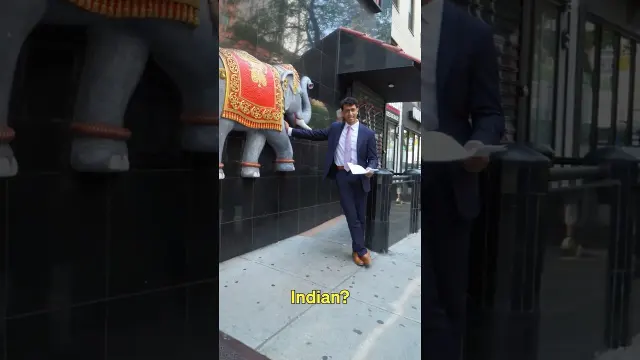
 Understanding the Massive Scale of India's Wedding Industry
#Celebrations
1 ideas
Understanding the Massive Scale of India's Wedding Industry
Get new #Celebrations ideas by email
Every Thursday: the week's best ideas, with the newest from #Celebrations.
Related tags
Celebrations: The Art of Marking Life's Big Moments
A celebration is a deliberate pause. It is the moment a group of people agree, out loud and together, that something matters: a birth, a marriage, a harvest, a year survived, a house made new. Celebrations are among the oldest things humans do, and they look remarkably similar in spirit whether they take place in a courtyard with drums, a kitchen with too many chairs, or a rented hall with a seating plan.
What a celebration actually does
Strip away the decorations and a party is doing several jobs at once. It tells people they belong. It marks a change in status, which is why so many celebrations are built around transitions rather than dates. It gives difficult things a container: many cultures gather to mourn as formally as they gather to rejoice, because ceremony holds feelings that ordinary conversation cannot. And it creates memory that can be shared later, which is much of the point.
The main kinds
Read more
Most celebrations fall into a few broad families, and plenty overlap:
- Life-cycle celebrations, marking births, coming of age, unions, milestones and deaths.
- Seasonal and calendar celebrations, tied to harvests, solstices, new years and the turning of the year.
- Religious and spiritual festivals, often combining observance, food and community.
- Civic and community occasions, from local fairs to national commemorations.
- Personal milestones, such as birthdays, graduations, retirements and housewarmings.
What beginners should know
The single most useful thing to decide first is what the gathering is for. A celebration with a clear purpose organises itself: it tells you how long it should last, who needs to be there, and what should happen at the start, middle and end. Guests rarely remember the centrepieces; they remember whether they were welcomed and whether there was enough of something to eat and drink.
Food carries more weight than decoration almost everywhere. It can be a full meal, a spread of small dishes passed around, or simply tea and something baked, but it should be generous and easy to serve while you are busy being a host.
Budget honestly and early, then choose two or three things to do well rather than ten things done thinly. Borrow from others: ask relatives or friends what their own celebrations include, and keep the customs that feel meaningful to you. Traditions are not fixed, and adapting one is still honouring it.
Practical tips
- Send invitations that state time, place and what to expect, including whether food is served.
- Build in a little more time than you think you need; gatherings slow down at their own pace.
- Give yourself permission to have help, whether it comes from family, a friend or a hired pair of hands.
- Consider who might be left out, and arrange for older guests, children or newcomers to have somewhere comfortable.
- Have a loose plan for the moments that matter, then let the rest be informal.
A good celebration is not a performance of perfection. It is a room full of people who know why they came.
#Celebrations: frequently asked questions
How should I begin planning a celebration?
Start by naming the reason people are gathering, because a clear purpose quietly answers most of the other questions for you. Once you know what you are marking, the length of the event, the guest list and the shape of the day tend to fall into place. Everything else, from the menu to the music, is decoration on top of that decision.
What do I really need for a celebration?
You need guests who feel welcomed, food and drink in generous supply, and some sense of what happens when. Decoration and elaborate touches are pleasant, but people leave remembering how they were treated rather than how the room looked. A simple spread that is easy to serve while you are busy hosting will carry the day better than an ambitious menu that keeps you in the kitchen.
How do I choose which kind of celebration to hold?
Think about what is actually changing, since most celebrations are built around a transition rather than a date: a birth, a union, a move, a farewell. That tells you whether you want something ceremonial and structured, or something loose and informal with people drifting in and out. Plenty of gatherings blend types, and mixing a family custom with a community tradition is perfectly normal.
What are simple ideas for marking an occasion at home?
Keep the food easy to serve and let guests help themselves, so you are not tied to the kitchen while people arrive. A few borrowed customs, such as a toast, a shared dish, or asking each guest to bring a story about the person being celebrated, give the gathering a shape without needing props or planning. If space is tight, keep the guest list short and the invitations clear about what to expect.
How do I make sure everyone feels included?
Run through the guest list and notice who might end up on the edges, whether that is an older relative, a child, or someone who knows nobody else there. Give them somewhere comfortable to sit, something to do, or a person to be introduced to when they walk in. Small acts of attention like this do more for a celebration than any centrepiece.
What mistakes do people commonly make when hosting?
The usual one is trying to do too much thinly instead of a few things well, which leaves the host exhausted and guests waiting. Another is forgetting that gatherings move at their own pace, so a schedule packed tightly from start to finish creates stress rather than flow. Being willing to accept help, and building in slack, prevents most of the trouble.
Videos come from YouTube and posts from Instagram; titles and summaries are our own. All rights belong to their creators.