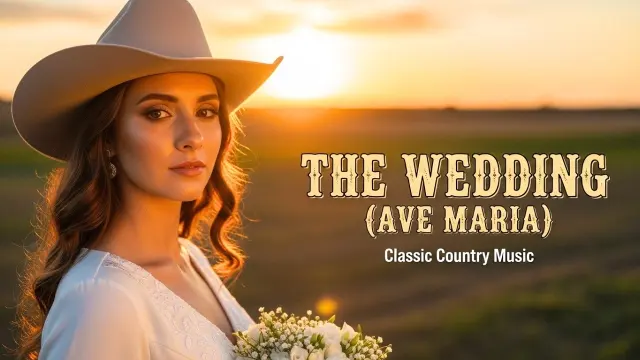
 Traditional Country Arrangement of The Wedding
#Ceremony Music
3 ideas
Traditional Country Arrangement of The Wedding
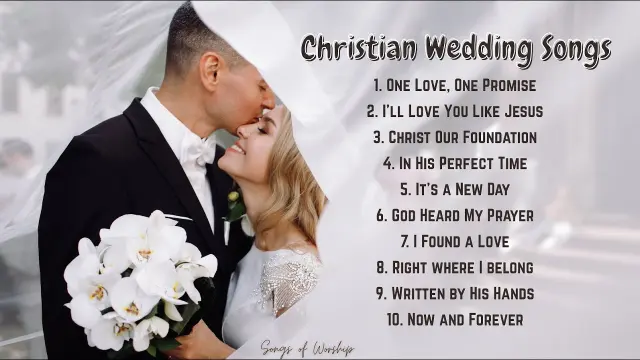 Christian Wedding Songs Playlist for Ceremonies
 Christian Wedding Song Duet Describing Faithful Love
Get new #Ceremony Music ideas by email
Every Thursday: the week's best ideas, with the newest from #Ceremony Music.
Related tags
Ceremony Music Guide
What ceremony music is
Ceremony music is the music chosen to accompany a formal ritual, most often a wedding, but also other meaningful gatherings where the order of the moment matters. It helps set the tone, marks transitions, and gives people a shared emotional thread to follow. In a wedding, for example, music can guide the entrance, the signing, and the exit, but the same idea applies to any ceremony where atmosphere and timing matter.
Ceremony music has roots in long-standing traditions around religious services, civic rituals, and family celebrations. In many cultures, music has been used to signal arrival, create reverence, honor key moments, and bring the event to a close. Because of that, it is usually chosen with care rather than simply as background sound.
Common kinds of ceremony music
Read more
There are a few basic roles ceremony music often plays:
- Processional music: the music that accompanies the entrance of the main participants
- Interlude music: quieter pieces played during a pause or reflective moment
- Signing or reading music: a gentle piece that fills a practical pause without distracting attention
- Recessional music: a more uplifting piece for the ending and exit
The style can range widely. Some people prefer classical pieces, hymns, or traditional songs. Others choose folk, acoustic, instrumental, or softly arranged popular songs. The best choice is usually one that fits the setting, the people involved, and the mood you want to create.
Choosing the right style
Ceremony music works best when it supports the event rather than competing with it. If the setting is formal, simple and elegant pieces often suit it well. If the ceremony is intimate, acoustic or lightly arranged music can feel warm and personal. Religious ceremonies may follow established musical traditions, while secular ceremonies often allow more freedom.
It helps to think about three things:
- The tone you want: solemn, joyful, reflective, romantic, or celebratory
- The space: large rooms, outdoor settings, and small spaces all carry sound differently
- The pace: music should match the rhythm of the entrance and other key moments
Practical tips for beginners
If you are choosing ceremony music for the first time, keep it simple and purposeful. Pick music that feels meaningful to you, but also works in the moment. A song may be beautiful on its own and still be too long, too loud, or too emotionally heavy for a ceremony.
A few useful habits:
- Listen to full versions, not just short clips
- Check whether the tempo fits walking pace
- Consider instrumental versions if lyrics might distract
- Make sure the transitions between pieces feel smooth
- Share timing notes with the musicians or anyone managing playback
If live musicians are involved, give them clear cues and enough time to prepare. If recorded music is used, test the sound in advance and keep a backup plan. The goal is not perfection, but calm, well-timed music that supports the occasion.
A lasting approach
Good ceremony music feels chosen, not random. It reflects the people, the mood, and the meaning of the event. Whether you prefer traditional or simple modern pieces, trust music that feels sincere, clear, and easy to live with in memory.
Videos come from YouTube and posts from Instagram; titles and summaries are our own. All rights belong to their creators.